

Key Takeaways
- Guided treks offer beginners expert safety and navigation, significantly reducing risks on unfamiliar trails.
- The global hiking tourism market was valued at $47.8 billion in 2025, projected to reach $93.6 billion by 2034, according to Dataintelo (2026).
- Older travelers account for 75% of guided hiking trip inquiries, based on 2025 data from the travel platform 57hours (2026).
- Seamless logistics on guided treks allow new hikers to focus on the experience, not permits or accommodations.
- Female solo hiking travelers represent approximately 58% of the total solo hiking tourism consumer base, a rise from 42% in 2018, according to industry data from 2024 (Dataintelo, 2026).
Are you wondering how to embark on your first adventure into the wilderness without feeling overwhelmed? Understanding the benefits of guided treks for beginners is crucial for a rewarding and stress-free introduction to the world of hiking. This article will explore the essential reasons why a guided trek is the ideal choice for your initial foray into the great outdoors, ensuring a positive and memorable experience.
Quick Answer: Guided treks offer beginners expert safety, handled logistics, and local insights. They build confidence and community, letting new hikers focus on the experience without planning stress. This ensures a positive, enriching first adventure, making it ideal for novices.
Why Choose Guided Treks for Your First Adventure?
Choosing guided treks for your first adventure offers an unparalleled blend of security, convenience, and enrichment specifically tailored for novices. Hiking, trekking, and walking remain the most in-demand activities globally, maintaining their top position year over year, according to the Adventure Travel Trade Association’s (ATTA) 2026 Adventure Travel Trends & Insights report (2026). The specific benefits of guided treks for beginners address common anxieties and ensure a positive introduction to the outdoors.
Here’s the thing: starting a new outdoor activity can be daunting. A guided trek removes the guesswork and provides a supportive framework, allowing you to immerse yourself fully in the natural beauty. This curated approach transforms potential challenges into enjoyable learning experiences.
One of the significant benefits of guided treks for beginners is the immediate peace of mind. You won’t have to worry about navigation, emergency plans, or even what to pack, as experts handle these details. It’s an investment in a smooth, enjoyable, and safe initiation into trekking.
Enhanced Safety and Expert Guidance for Beginner Trekkers
Enhanced safety and expert guidance are paramount among the benefits of guided treks for beginners, providing a secure environment for your initial outdoor explorations. “Safety is the biggest advantage of guided trekking. Experienced guides understand terrain, weather changes, altitude risks, river crossings, and emergency procedures,” as highlighted by Vertex AI Search (2025). This expert oversight is invaluable for new hikers.
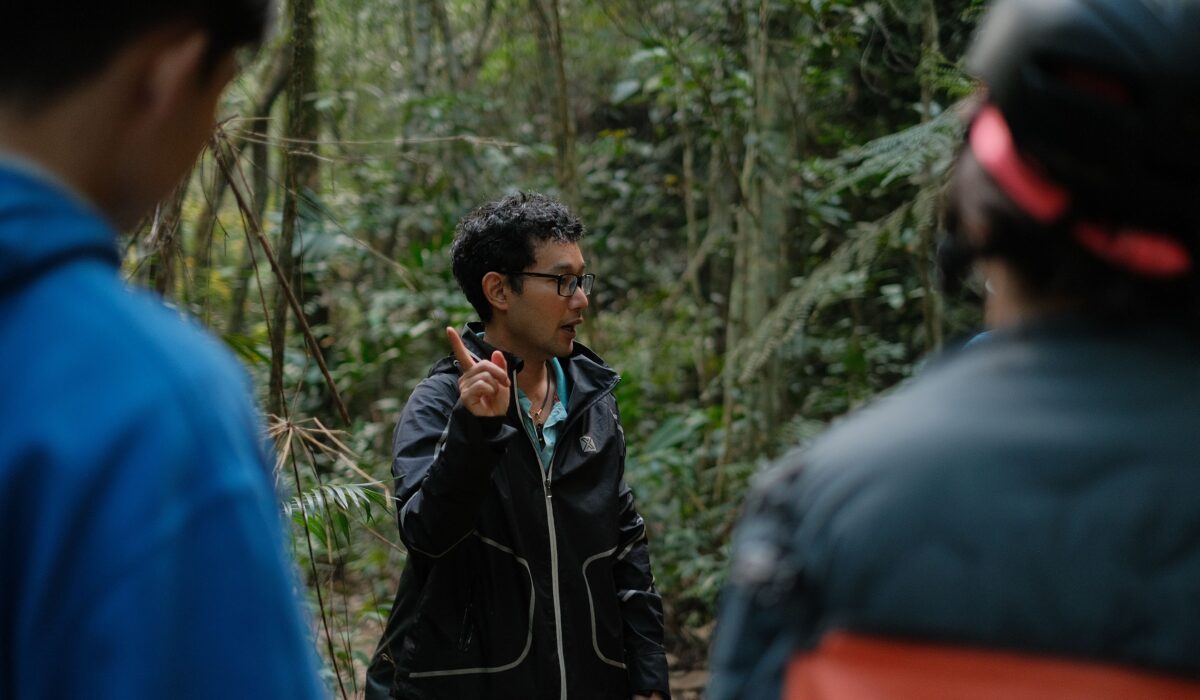
Guides are trained professionals who know the trails intimately. They can anticipate challenges, make informed decisions about route adjustments, and provide immediate assistance in unexpected situations. For anyone new to the wilderness, this level of preparedness is irreplaceable. One of the greatest benefits of guided treks for beginners is feeling secure enough to truly enjoy the experience.
Moreover, guides often carry essential first-aid supplies and communication devices, which might be overlooked by a first-timer. For example, navigating challenging trails like the Kokoda Trail without an experienced guide would be highly risky due to its complex terrain and unpredictable weather. This proactive approach to safety is a core component of how guided tours help new hikers. If you’re looking for safest treks for women in India, many operators offer guided options specifically for this reason.
Seamless Logistics: Focus on the Journey, Not the Planning
Seamless logistics are a major advantage, allowing beginners to fully focus on the journey itself rather than the intricate details of planning. “One of the big advantages of opting for a guided hike is the wealth of knowledge and expertise provided by our highly-qualified seasoned guides,” states RAW Travel (2024), emphasizing that guides handle everything from permits to accommodations. This means you can truly relax and absorb the adventure.
Imagine not having to research permits, book accommodations, or even plan your meals. This comprehensive management is one of the most appealing benefits of guided treks for beginners. All you need to do is show up with your personal gear, ready to explore.
This convenience is particularly valuable for first-time trekking tips, as it eliminates common beginner anxieties around organization. You’re not just paying for a guide; you’re investing in a completely managed experience where every detail is considered, making the guided hiking tours for beginners truly hassle-free.
Building Confidence and Reducing Beginner Anxiety on Treks
Building confidence and significantly reducing beginner anxiety are profound psychological benefits of guided treks for beginners, empowering new hikers to embrace the outdoors with assurance. When you’re supported by an expert and a group, the fear of getting lost or not being physically capable diminishes significantly. This allows for a mental shift from apprehension to excitement.
Guides provide encouragement and can adjust the pace to suit the group’s abilities, ensuring no one feels left behind. This tailored support is fundamental in fostering a sense of achievement. Successfully completing a guided hike, even a beginner-friendly trekking package, can instill a lasting belief in your outdoor capabilities.
In my experience, watching first-timers overcome initial hesitations and embrace the challenge is one of the most rewarding aspects of guided adventures. The positive reinforcement and shared success contribute immensely to a beginner’s self-esteem. This confidence often translates into a desire for more adventure travel for beginner hikers.
The Value Proposition: Cost-Benefit for New Hikers
The value proposition for guided treks, particularly for new hikers, extends far beyond the initial price, offering a significant cost-benefit when considering comprehensive inclusions and mitigated risks. Many beginners might view guided treks as an expensive option, but when you factor in what’s included – expert guidance, safety equipment, permits, accommodation, food, and often transportation – the true value becomes clear. The average order value (AOV) of a trip booked through 57hours is $6,000, reflecting the comprehensive nature of these curated experiences (57hours, 2026).
What most people miss is the hidden costs and potential pitfalls of self-guided trips for novices. These can include unexpected permit fees, costly navigation errors, or even emergency expenses. Viktor Marohnić, founder of 57hours, notes that older travelers account for 75% of guided hiking trip inquiries, based on 2025 data, suggesting a recognition of this value by an experienced demographic (Marohnić, 2026). The Outdoor Industry Association’s 2025 report also cites adults 65 and older as one of the fastest-growing segments in outdoor recreation, with participation rising 7.4% year over year (OIA, 2025), further supporting the demand for well-supported adventures.
Comparison: Guided vs. Self-Guided for Beginners
| Feature | Guided Trek (Beginner) | Self-Guided Trek (Beginner) |
|---|---|---|
| Safety & Expertise | Expert guides, emergency protocols, local knowledge. | Relies on personal research & intuition, higher risk. |
| Logistics | All permits, accommodation, food, transport handled. | Requires extensive planning, booking, and navigation. |
| Cost Transparency | Upfront all-inclusive price, few hidden costs. | Appears cheaper initially, but hidden costs (gear, emergencies) can add up. |
| Confidence Building | Supportive environment, managed pace, encouragement. | Potential for anxiety, getting lost, feeling overwhelmed. |
| Social Aspect | Built-in community, meet like-minded travelers. | Often solo or with existing companions. |
This table clearly demonstrates how the benefits of guided treks for beginners outweigh the perceived savings of a self-guided trip.
Finding Community and Support on Guided Treks
Finding community and robust support on guided treks is a significant, often underestimated, benefit for beginners, fostering camaraderie and shared experiences. Many solo hiking for beginners might be hesitant to venture out alone, but a guided group provides an instant network of like-minded individuals. The solo travel market is expected to grow 14 percent over the next five years, with women over 50 a major driver, according to the “Solo Travel Market Report (2025-2030)” by Grand View Research (2025). This highlights the growing need for supportive group travel options.
The shared journey, challenges, and triumphs create strong bonds. You’ll celebrate successes together, offer encouragement during tough moments, and forge friendships that can last long after the trek concludes. Demand for Backroads’ Women’s Adventures, for instance, is projected to grow 100 percent in 2026, indicating a strong market for guided trips tailored to women seeking community (Backroads, 2025). These social benefits of guided treks for beginners are invaluable.
This built-in support system makes the experience far more enriching. It’s not just about reaching a destination; it’s about the connections made along the way. This social aspect is one of the distinct advantages of taking a guided hike, especially for those who might otherwise hike alone.
What Makes a Trek Beginner-Friendly with a Guide?
A beginner-friendly trek, especially with a guide, is designed to be accessible and enjoyable for those with little to no prior trekking experience. Such treks typically feature manageable distances, moderate elevation gains, and clear, well-maintained trails. The presence of a guide is the key differentiator, transforming a potentially challenging route into a supportive learning environment.
The guide’s role is multifaceted, ensuring the benefits of guided treks for beginners are fully realized. They set a comfortable pace, offer instruction on proper hiking techniques, and provide insights into the local flora, fauna, and culture. “Guided Tours dominate this market due to the popularity of professional guidance, enriching the hiking experience for participants through local knowledge and shared adventure,” states the WiseGuyReports Hiking Tour Market Trends Report (2026).
Key features of a beginner-friendly guided trek include:
- Moderate Terrain: Avoiding overly steep climbs or hazardous rocky paths.
- Flexible Pacing: Guides adjust to the group’s slowest member, ensuring comfort.
- Educational Insights: Learning about the environment and local history from an expert.
- Equipment Guidance: Advice on what to expect on a guided hike and essential gear.
- Supportive Environment: Encouragement and assistance throughout the journey.
- Clear Communication: Regular check-ins and updates on the day’s plan.
These elements collectively maximize the benefits of guided treks for beginners, making them an ideal starting point.
Are There Any Disadvantages to Guided Treks for Beginners?
While the benefits of guided treks for beginners are substantial, there are a few potential disadvantages, primarily cost and a slight reduction in personal flexibility. Guided treks typically come with a higher upfront price tag compared to self-guided options, as they include expert services, logistics, and often premium inclusions. However, as discussed, this cost often represents a comprehensive value package that mitigates risks and provides unparalleled support for novices.
Another point to consider is the fixed itinerary and group dynamic. You’ll generally follow a pre-planned schedule and hike with a group, which might not appeal to those seeking complete solitude or spontaneity. Yet, for beginners, this structure is often a benefit, offering a clear path forward without the stress of constant decision-making. The Adventure Travel Trade Association’s 2026 report emphasizes that “success in today’s market is not about running bigger trips, it is about running better ones,” highlighting the focus on quality experiences over sheer numbers (ATTA, 2026).
In practice, these “disadvantages” are often trade-offs that beginners are happy to make for the immense peace of mind and support provided. For someone taking their first steps into trekking, the security and seamless experience offered by a guide far outweigh these minor limitations. The true benefits of guided treks for beginners are about enabling a successful and enjoyable first adventure.
Frequently Asked Questions
What are the benefits of a guided tour?
The benefits of a guided tour include expert safety and navigation, comprehensive logistical support, valuable local insights, and a built-in community. These advantages allow participants, especially beginners, to enjoy the experience without planning stress. For instance, the Hiking Tour Market was valued at $12.76 billion in 2025 and is projected to grow to $22.0 billion by 2035, at a CAGR of 5.6%, indicating strong demand for these structured experiences (WiseGuyReports, 2026).
Is it better to do a guided tour or self-guided?
For beginners, a guided tour is generally better due to enhanced safety, handled logistics, and expert support, which significantly reduces anxiety and builds confidence. While self-guided offers more flexibility and can be cheaper upfront, it places a heavy burden of planning and risk management on the inexperienced hiker. The specific benefits of guided treks for beginners directly address the unique challenges new adventurers face.
What makes a good trek for beginners?
A good trek for beginners features moderate terrain, manageable distances, and a clear, well-maintained path. With a guide, it also includes flexible pacing, educational commentary, and a supportive environment that builds confidence. These elements ensure a positive first-time trekking experience, making it an ideal entry point for adventure travel.
What are the disadvantages of a guided tour?
The primary disadvantages of a guided tour include a higher upfront cost and less personal flexibility or spontaneity compared to self-guided options. However, for beginners, these trade-offs are often justified by the unparalleled safety, comprehensive logistics, and expert guidance provided, which are invaluable. The average order value for trips booked through 57hours is $6,000, reflecting the all-inclusive nature of many guided tours (57hours, 2026).
How do guided tours help new hikers?
Guided tours help new hikers by providing essential safety through expert navigation and emergency preparedness, managing all logistical complexities like permits and accommodations, and offering valuable local knowledge. This support system enables beginners to focus on the natural beauty and physical challenge, building confidence and fostering a love for trekking. The benefits of guided treks for beginners are truly transformative.
Embracing the benefits of guided treks for beginners is the smartest way to embark on your outdoor journey. From unparalleled safety and expert guidance to seamless logistics and a supportive community, these curated adventures offer everything you need for a confident and memorable first experience. Don’t let uncertainty hold you back; explore the world of guided treks and discover the joy of the trail with Perfect Planners today.