
Key Takeaways
- The adventure travel insurance market reached $2.78 billion in 2026, according to Research and Markets.
- Helicopter evacuation from Nepal’s high-altitude regions can cost $6,000 to $10,000 or more without insurance.
- As of April 2025, travel insurance is legally mandatory for all foreign trekkers in Nepal, enforced by the 2026 digital TIMS verification system.
- Medical repatriation after a trekking emergency can add $25,000 to $80,000 USD to overall costs, according to the CDC.
- Specialized policies like Travelex Ultimate Plan with the Adventure Activities upgrade are recommended for high-altitude treks.
Navigating the breathtaking, yet unpredictable, world of high-altitude trekking demands meticulous preparation, and at the core of that readiness lies selecting the Best Travel Insurance for Trekkers 2026. This comprehensive guide from Perfect Planners will illuminate why specialized coverage isn’t just a recommendation, but an absolute necessity for your next adventure, especially when exploring destinations like the Indian Himalayas or Nepal. We’ll ensure you’re equipped with the knowledge to make an informed investment, protecting your journey and your peace of mind.
Quick Answer: Travel insurance is vital for trekkers to mitigate significant financial risks from unforeseen events like high-altitude sickness, injuries, emergency helicopter evacuations, and trip cancellations. Specialized coverage is essential for peace of mind, protecting against potentially tens of thousands in out-of-pocket expenses.
Why is Travel Insurance Essential for Trekkers in 2026?
Travel insurance is essential for trekkers in 2026 because it provides a critical financial and logistical safety net against the inherent risks of adventure travel, which can quickly become overwhelming without proper coverage. The adventure travel insurance market itself grew from $2.55 billion in 2025 to $2.78 billion in 2026, demonstrating the increasing recognition of its importance, according to Research and Markets (2026). This isn’t just about money; it’s about peace of mind.
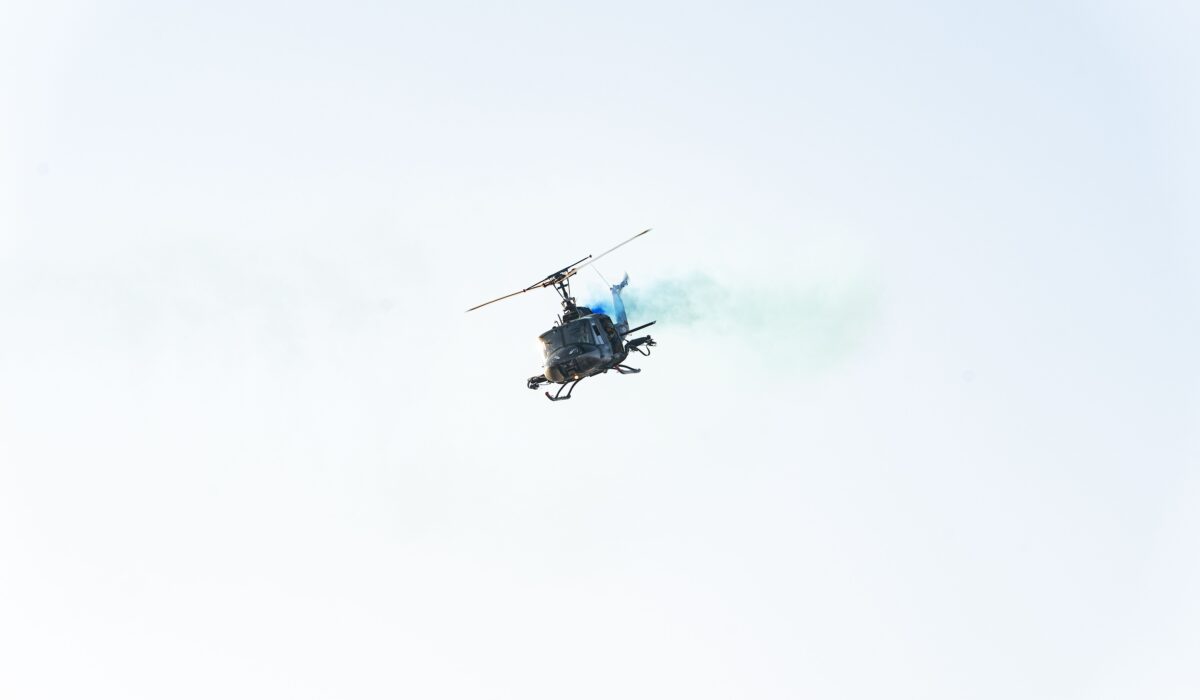
Trekking, particularly at high altitudes, exposes you to unique dangers like acute mountain sickness, sudden injuries, or unpredictable weather changes that can halt your journey. An emergency helicopter evacuation from Nepal’s Khumbu region, for instance, can cost between $6,000 and $10,000 or more from above 5,000m if you’re uninsured. This is a princely sum far beyond most travelers’ immediate budgets.
Beyond the financial implications, the psychological and logistical support offered by the Best Travel Insurance for Trekkers 2026 is invaluable. Imagine navigating a foreign medical system, dealing with language barriers, or coordinating a complex rescue from a remote mountain pass; your insurance provider’s 24/7 assistance team handles these stressors, allowing you to focus on recovery. Without proof of suitable coverage, permits may even be denied or authorities may refuse rescue, as highlighted by The Broke Backpacker.
What Should Your Trekking Travel Insurance Cover?
Your trekking travel insurance should comprehensively cover emergency medical expenses, emergency evacuation, trip cancellation/interruption, and personal liability, specifically tailored for high-altitude activities to ensure you’re fully protected. The average cost of an international trip among insured travelers rose 24% year-over-year, from $7,794 in 2025 to $9,668 in 2026, according to Squaremouth data, underscoring the growing value of safeguarding your investment. Securing the Best Travel Insurance for Trekkers 2026 means looking beyond basic plans.
Here’s what you absolutely must look for in your policy:
- Emergency Medical Expenses: This covers hospital stays, doctor fees, medication, and emergency dental treatment. Ensure it includes specific coverage for altitude sickness insurance coverage.
- Emergency Medical Evacuation: Critical for trekkers, this covers the cost of transporting you from the point of injury or illness to the nearest appropriate medical facility, including helicopter evacuation insurance for trekkers.
- Repatriation of Remains: While a somber thought, this covers the cost of returning your remains home in the tragic event of death. Medical repatriation to a home country after a trekking emergency can add $25,000 to $80,000 USD to costs, according to the CDC (2026).
- Trip Cancellation and Interruption: Protects your financial investment if your trek is unexpectedly cancelled, delayed, or cut short due to covered reasons like illness, injury, or natural disasters.
- Personal Liability: Covers legal expenses if you accidentally injure someone or damage property during your trek.
- Lost, Stolen, or Damaged Baggage/Gear: Provides reimbursement for essential items crucial for your trek, though often with limits.
A policy offering the Best Travel Insurance for Trekkers 2026 will explicitly mention coverage for adventure sports and high-altitude trekking, often requiring an additional rider or an “adventure activities” upgrade.
Do Standard Travel Insurance Policies Cover High-Altitude Trekking?
No, standard travel insurance policies typically do not cover high-altitude trekking, as most recreational policies have specific altitude limits or exclude activities deemed “adventure sports” unless an upgrade is purchased. This is a common pitfall for trekkers who assume their basic travel coverage is sufficient. The key insight here is that you need a specialized “travel insurance high altitude trekking” policy.
Many insurers define high-altitude trekking as anything above 2,500 to 4,500 meters (around 8,000 to 14,700 feet), and their standard plans will not provide coverage beyond these thresholds. This means if you’re planning an Everest Base Camp trek or even a moderate Himalayan journey, you’re likely unprotected without specific trekking insurance without altitude limit or an appropriate add-on. Ian Taylor Trekking, a renowned expert-led trekking company, specifically recommends purchasing comprehensive travel insurance, such as the Travelex Ultimate Plan with the Adventure Activities upgrade, for high-altitude treks and climbs.
It’s vital to scrutinize the policy’s fine print for exclusions related to altitude, specific sports, or remote area evacuations. Don’t simply assume your existing annual multi-trip policy or credit card travel benefits will provide the Best Travel Insurance for Trekkers 2026; they almost certainly won’t for extreme adventures.
Choosing the Best Travel Insurance for Trekkers: Key Considerations
Choosing the Best Travel Insurance for Trekkers 2026 requires a careful evaluation of your specific trek, personal health, and the policy’s detailed terms and conditions, rather than simply opting for the cheapest available option. The adventure travel insurance market is projected to reach $3.86 billion by 2030, with an 8.6% CAGR, indicating a robust and evolving industry, according to Research and Markets (2026). This growth means more options, but also more complexity, making an informed decision crucial.
Step 1: Assess Your Trekking Risks
Start by honestly evaluating the difficulty, remoteness, and maximum altitude of your planned trek. This assessment guides your coverage needs, helping you identify if you require extensive emergency medical evacuation or specific altitude sickness insurance coverage. The more challenging your trek, the more robust your policy for the Best Travel Insurance for Trekkers 2026 needs to be.
Step 2: Verify Altitude Coverage Limits
Crucially, confirm the maximum altitude your policy covers. Many adventure travel insurance comparison tools will highlight this detail. Ensure your chosen plan explicitly covers you for the highest point you expect to reach, and ideally, a bit beyond, to secure the Best Travel Insurance for Trekkers 2026.
Step 3: Check Emergency Evacuation Options
Emergency evacuation, especially helicopter evacuation insurance for trekkers, is non-negotiable for remote treks. Verify the policy’s limits for medical evacuation and ensure it includes repatriation to your home country if necessary. Providers like Global Rescue are known for their specialized rescue services, offering peace of mind even in the most challenging terrains.
Step 4: Understand Trip Cancellation Benefits
Review the reasons for trip cancellation or interruption that your policy covers. This protects your financial investment against unforeseen events, from personal illness to natural disasters impacting your destination. A comprehensive plan for the Best Travel Insurance for Trekkers 2026 safeguards your entire trip cost.
Step 5: Compare Policy Providers
Don’t settle for the first option. Compare offerings from reputable providers like World Nomads, IMG Global, SafetyWing, and Travelex, focusing on their adventure sport riders and high-altitude trekking coverage. Different providers specialize in different aspects, helping you find the Best Travel Insurance for Trekkers 2026.
Step 6: Declare Pre-Existing Conditions
Always declare any pre-existing medical conditions. Failure to do so can void your policy if a claim arises from that condition. Some policies offer waivers if purchased within a specific timeframe of your initial trip deposit. This transparency is key to valid coverage.
Step 7: Read the Fine Print Carefully
The policy wording is your contract. Pay close attention to exclusions, deductibles, benefit limits, and the claims process. What most people miss is how small details can make a huge difference during an emergency. This due diligence ensures you have the Best Travel Insurance for Trekkers 2026.
Trekking Insurance for the Indian Himalayas: Chardham & Beyond 2026
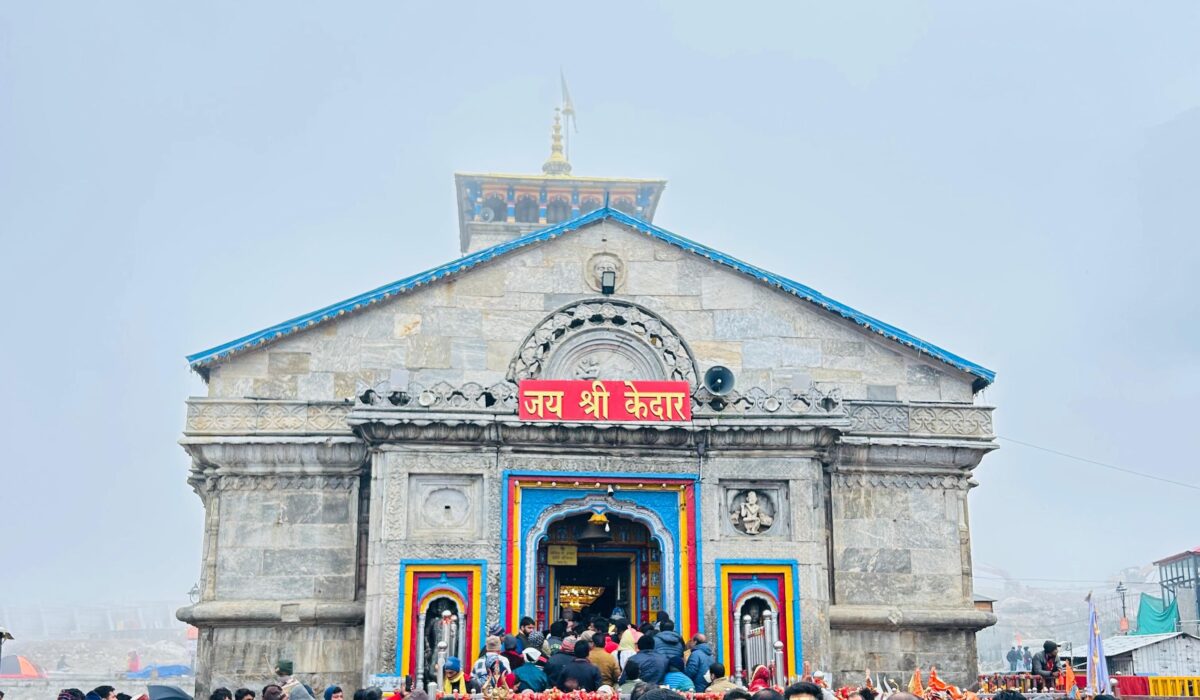
Trekking in the Indian Himalayas, including pilgrimages like the Chardham Yatra, demands specialized trekking insurance that accounts for high altitudes, remote access, and potential weather-related disruptions unique to the region. While many articles focus on Nepal or Everest Base Camp, the specific needs for travel insurance for Chardham Yatra or Kedarnath trekking insurance requirements are often overlooked. This regional focus helps pinpoint the Best Travel Insurance for Trekkers 2026 for these sacred routes.
For treks like the Chardham Yatra 2026 Packages, or the challenging Kedarnath Yatra, standard policies are insufficient. You’ll need robust emergency medical and evacuation coverage, given the remote nature of many sections and the potential for sudden weather changes. Consider policies that offer comprehensive coverage for these specific routes.
When planning your journey, whether it’s the Dodham Helicopter Yatra Dehradun Checklist 2026 or a strenuous multi-day trek, ensure your policy explicitly covers activities up to the maximum altitude of your route. This is critical for safeguarding against altitude sickness or injuries in areas with limited medical facilities. For a deeper dive into your journey, explore our Chardham Yatra 2026 Packages: Ultimate Choosing Guide.
Real-Life Scenarios: Why Trekking Insurance Pays Off
Real-life scenarios vividly illustrate why investing in the Best Travel Insurance for Trekkers 2026 is a prudent decision, transforming potential financial catastrophes into manageable inconveniences. Without appropriate coverage, a minor mishap can quickly escalate into tens of thousands of dollars in out-of-pocket expenses, as demonstrated by countless trekkers. One such example involves Jake, who suffered a severe ankle injury while hiking in the Swiss Alps.
Jake’s experience highlights the power of comprehensive coverage. His travel insurance covered all medical expenses, including emergency transport off the mountain and subsequent hospital care, saving him thousands because he meticulously kept all documentation such as hospital bills and doctor’s notes. This scenario underscores that the Best Travel Insurance for Trekkers 2026 isn’t just about the evacuation; it’s about the entire medical continuum.
Another common scenario involves trip interruption due to unforeseen circumstances, like a sudden family emergency back home or a natural disaster at your trekking destination. A robust policy would reimburse non-refundable expenses for flights, accommodations, and trek permits, protecting your significant investment. This peace of mind is what a well-chosen policy provides.
How to File a Claim: Essential Steps for Trekkers
Filing a claim for your Best Travel Insurance for Trekkers 2026 requires prompt action and meticulous documentation to ensure a smooth and successful reimbursement process. Many claims are delayed or denied due to insufficient evidence or late submission, so understanding the steps beforehand is crucial. The average cost of an international trip for insured travelers rose 24% year-over-year from 2025 to 2026, making efficient claims processing more important than ever, according to Squaremouth (2026).
Step 1: Gather All Documentation
Immediately collect all relevant documents, including medical reports, hospital bills, police reports (for theft), receipts for emergency purchases, and any communication with your tour operator. The more evidence you have, the stronger your claim for the Best Travel Insurance for Trekkers 2026.
Step 2: Contact Your Provider Promptly
Notify your insurance provider as soon as possible, ideally within 24-48 hours of the incident, or even before incurring significant costs if it’s an emergency. They will guide you through their specific claims process and provide necessary forms. This initial contact is vital for initiating the claim.
Step 3: Follow Up Diligently
Submit all required forms and documentation promptly, then follow up regularly to track the status of your claim. Keep records of all correspondence, including dates, names of representatives, and reference numbers. Patience and persistence are key to securing your reimbursement from the Best Travel Insurance for Trekkers 2026.
Top Providers for Trekking Travel Insurance in 2026
Identifying the top providers for the Best Travel Insurance for Trekkers 2026 involves comparing their specific coverage for high-altitude activities, emergency evacuation capabilities, and reputation for reliable customer service. While many companies offer travel insurance, only a select few truly excel in the specialized niche of trekking and adventure sports. For instance, as of April 2025, travel insurance is legally mandatory for all foreign trekkers in Nepal, enforced by the 2026 digital TIMS verification system, emphasizing the need for reputable providers.
Here’s a comparison of leading options:
| Provider | Key Features for Trekkers | Altitude Coverage | Ideal For |
|---|---|---|---|
| Global Rescue | Specializes in medical and security evacuations; no altitude exclusions for trekking. | Unlimited | Serious high-altitude mountaineers and trekkers needing robust evacuation. |
| World Nomads | Flexible policies, covers many adventure activities (Explorer & Epic plans). | Up to 6,500m (Explorer), 8,000m (Epic) | Adventure travelers, with options for trekking insurance Nepal 2026. |
| IMG Global (Patriot Plan) | Strong medical expense reimbursement, often paired with Global Rescue for evacuation. | Up to 6,000m | Comprehensive medical coverage for international treks. |
| Travelex (Ultimate Plan) | Offers Adventure Activities upgrade for high-risk sports. | Varies by upgrade, generally high. | Trekkers seeking a reputable insurer with flexible upgrades. |
| SafetyWing | Budget-friendly, subscription model, good for digital nomads and long trips. | Up to 4,500m (standard), higher with upgrades. | Casual trekkers or those needing basic medical coverage with an upgrade for higher altitudes. |
Each of these providers offers compelling reasons to be considered the Best Travel Insurance for Trekkers 2026, depending on your specific needs and destination. For instance, World Nomads is popular for its flexibility, allowing you to purchase or extend coverage even after your trip has started.
Frequently Asked Questions
Why is travel insurance important for trekking?
Travel insurance is important for trekking because it protects against significant financial burdens from unforeseen emergencies like injuries, high-altitude sickness, and emergency evacuations. Helicopter evacuation from Nepal’s high-altitude regions can cost between $6,000 and $10,000 or more if uninsured. It provides crucial peace of mind, allowing you to focus on your adventure.
What does trekking insurance cover?
Trekking insurance typically covers emergency medical expenses, emergency medical evacuation (including helicopter evacuation insurance for trekkers), trip cancellation/interruption, and personal liability. It specifically includes coverage for high-altitude activities that standard policies exclude, ensuring comprehensive protection for your journey.
Do I need special insurance for trekking?
Yes, you absolutely need special insurance for trekking, especially for high-altitude destinations or adventure sports. Most standard travel insurance policies have altitude limits or exclude adventure activities, leaving you unprotected. A specialized policy is vital for covering risks like altitude sickness insurance coverage.
Is it worth getting travel insurance for hiking?
It is definitely worth getting travel insurance for hiking, particularly for multi-day or remote treks where medical facilities are scarce. Medical repatriation to a home country after a trekking emergency can add $25,000 to $80,000 USD to costs, according to the CDC (2026). The investment is minimal compared to potential out-of-pocket expenses.
Does normal travel insurance cover hiking?
Normal travel insurance typically offers limited coverage for hiking and often excludes high-altitude trekking or activities classified as adventure sports. Always verify the policy’s specific terms regarding altitude limits and adventure activities. For any serious trek, you’ll need a dedicated “travel insurance high altitude trekking” policy.
Choosing the Best Travel Insurance for Trekkers 2026 is arguably the most critical step in preparing for any high-altitude adventure. It’s not merely an expense; it’s an investment in your safety, your finances, and your ability to fully immerse yourself in the journey without undue worry. Don’t underestimate the unpredictable nature of the mountains; secure a policy that truly protects you. Ready to plan your next adventure with confidence? Contact Perfect Planners today for personalized trekking insights and assistance.