
Key Takeaways
- Over 6.03 crore tourists visited Uttarakhand in 2025, marking a record high for the state, according to the Uttarakhand Tourism Department (February 2026).
- Mandatory registration is required for the Chardham Yatra, with pre-registrations nearing 1.8 million by April 2026, as per Tourism Minister Satpal Maharaj (April 2026).
- Pilgrim safety is a top priority for the Uttarakhand government, with Chief Minister Pushkar Singh Dhami emphasizing efforts to enhance facilities.
- The Chardham Yatra sees approximately 55,000 pilgrims daily during peak season, according to government data (May 2026).
- Travelophila offers curated Char Dham Family Packages, known for their local expertise and exceptional service, as attested by Nanak Sukhwani (2024).
Planning a pilgrimage to the revered Himalayan shrines? This Chardham Yatra Complete Guide offers everything you need to navigate the sacred journey with confidence and ease. We understand the spiritual significance and practical complexities involved, and we’re here to ensure your pilgrimage is both profoundly meaningful and seamlessly executed.
Quick Answer: The Char Dham Yatra is a sacred Hindu pilgrimage to four Uttarakhand shrines: Yamunotri, Gangotri, Kedarnath, and Badrinath. Running from April/May to Oct/Nov, it requires mandatory registration. Pilgrims choose road or helicopter, with Kedarnath being the most challenging trek.
What is the Chardham Yatra?
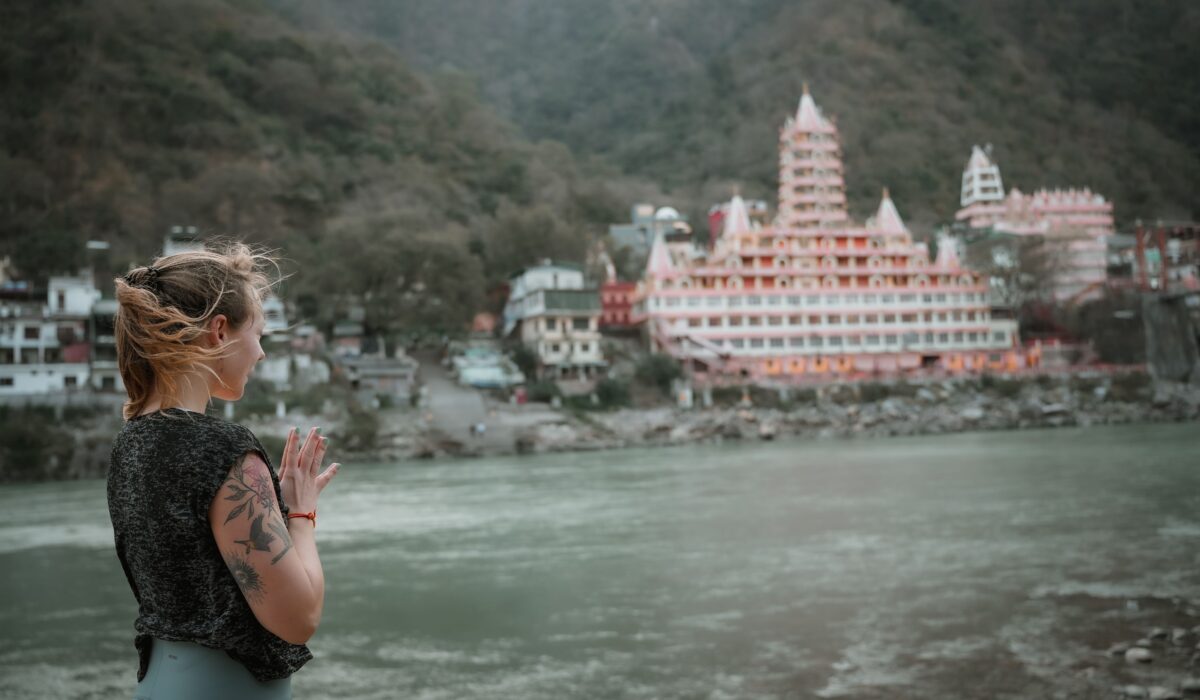
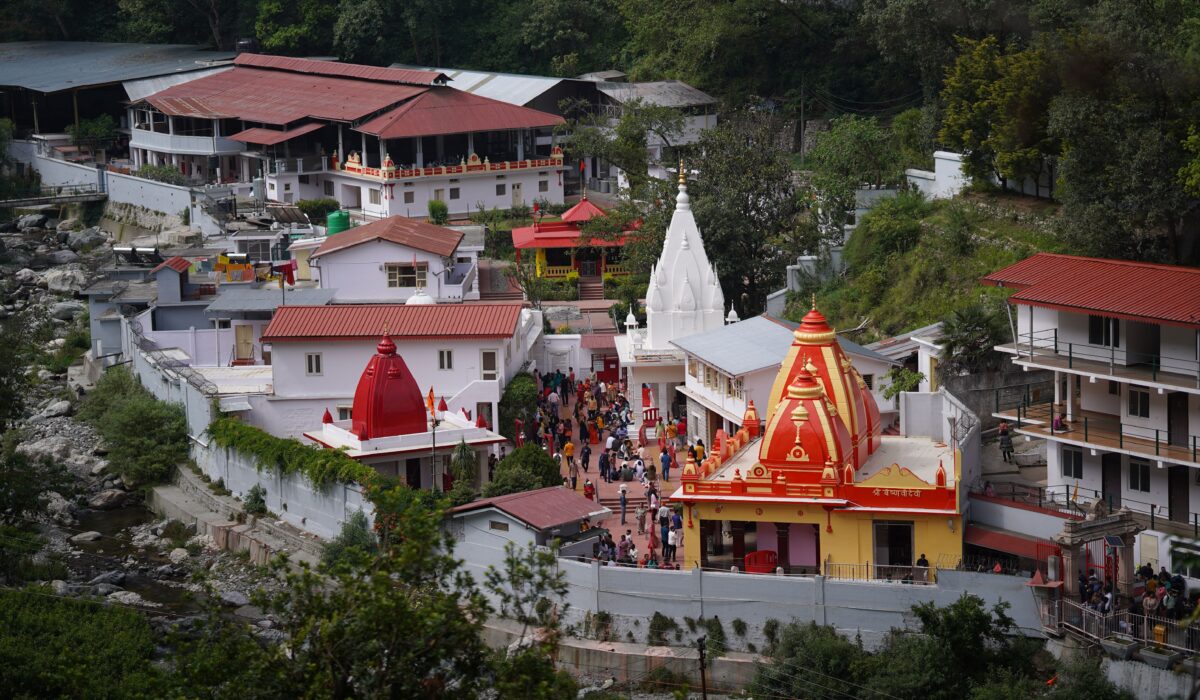
The Chardham Yatra is a sacred Hindu pilgrimage to four revered shrines in the Indian state of Uttarakhand: Yamunotri, Gangotri, Kedarnath, and Badrinath. This divine circuit, often referred to as the “Char Dham Yatra,” is believed to cleanse sins and grant salvation, attracting millions of devotees annually. Over 6.03 crore tourists and pilgrims visited Uttarakhand in 2025, marking a significant milestone, according to the Uttarakhand Tourism Department (February 2026).
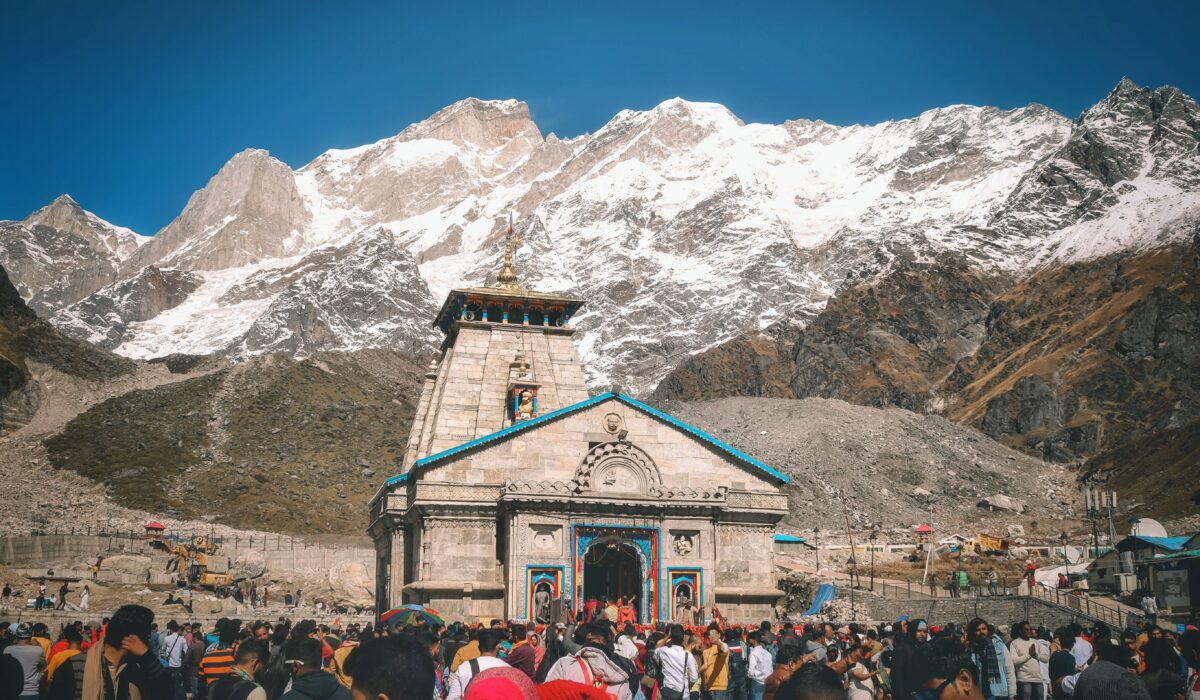
Each Dham holds unique spiritual significance. Yamunotri, the source of the Yamuna River, and Gangotri, the origin of the Ganges, are dedicated to goddesses. Kedarnath, a majestic Shiva temple, requires a challenging trek, while Badrinath, dedicated to Lord Vishnu, is the easiest to access by road. For a truly transformative experience, consider this Chardham Yatra Complete Guide your trusted companion.
The Four Sacred Dhams
Embarking on the Chardham Yatra means connecting with ancient traditions and stunning Himalayan landscapes. This comprehensive pilgrimage allows you to explore diverse spiritual sites.
- Yamunotri Temple: Dedicated to Goddess Yamuna, located near the source of the Yamuna River.
- Gangotri Temple: Dedicated to Goddess Ganga, situated close to the origin of the Bhagirathi River, which is called Ganga at Devprayag.
- Kedarnath Temple: One of the 12 Jyotirlingas of Lord Shiva, nestled amidst breathtaking peaks.
- Badrinath Temple: Dedicated to Lord Vishnu, considered one of the holiest of the 108 Divya Desams.
When is the Best Time to Visit the Chardham Yatra?
The best time to undertake the Chardham Yatra is generally from **late April/early May to late June, and then again from September to early November**. These periods offer the most favorable weather conditions, making your pilgrimage comfortable and safe. The first month of the Char Dham Yatra 2026 saw 16,43,182 pilgrims, despite a slight decline compared to the previous year due to earlier opening dates, according to the SDC Foundation (May 2026).
Choosing the right season is crucial for enjoying the majestic beauty of the Himalayas and avoiding logistical challenges. Monsoon season, from July to August, brings heavy rainfall and an increased risk of landslides, which can make travel precarious. In my experience, planning around these peak windows enhances the entire journey, ensuring you get the most from your Chardham Yatra Complete Guide.
Seasonal Considerations for Your Chardham Yatra
Understanding the nuances of each season helps you tailor your travel plans for an optimal experience. The Uttarakhand Tourism Development Board actively promotes the region as an all-season destination, but specific times are best for this pilgrimage.
| Season | Months | Pros | Cons |
|---|---|---|---|
| Spring/Early Summer | April End – June | Pleasant weather, clear skies, full accessibility. | Peak crowds, higher costs for a Chardham Yatra package. |
| Monsoon | July – August | Lush green landscapes, fewer crowds. | Heavy rainfall, risk of landslides, road closures. |
| Autumn | September – Early November | Crisp air, clear views, moderate crowds, comfortable. | Temperatures drop significantly towards end of season. |

Is Chardham Yatra Registration Mandatory?
Yes, **registration for the Chardham Yatra is absolutely mandatory for all pilgrims**. This vital process ensures safety, helps manage pilgrim flow, and provides essential data for emergency services. Pre-registrations for the Char Dham Yatra 2026 neared 1.8 million by April 17, 2026, with Kedarnath having the highest registrations, as revealed by Tourism Minister Satpal Maharaj (April 2026).
The Uttarakhand government, under Chief Minister Pushkar Singh Dhami, places a high priority on pilgrim safety and efficient management. This registration system is a cornerstone of those efforts. It’s a quick and essential step, and neglecting it can lead to complications during your journey.
How to Complete Your Yatra Registration
Pilgrims can register online through the official Uttarakhand Tourism Development Board website or at designated physical registration counters. Having your Aadhaar card or other valid ID ready is crucial for a smooth process.
- Online Registration: Visit the official portal of the Uttarakhand Tourism Development Board and follow the step-by-step instructions. This is the most convenient method.
- Offline Counters: Registration counters are available at major entry points and transit locations like Haridwar, Rishikesh, and Guptkashi.
- Biometric Verification: A biometric registration system is in place to ensure pilgrim authentication and track movement, which is critical for safety.
Always ensure you receive your Yatra registration card or wristband, as it’s required at various checkpoints. This makes your Chardham Yatra Complete Guide journey safer and more organized.
How to Plan Your Chardham Yatra Route and Travel?
Planning your Chardham Yatra route and travel options involves choosing between road journeys and **helicopter service Kedarnath**, considering time, budget, and physical fitness. The traditional route typically starts from Haridwar or Rishikesh, proceeding to Yamunotri, then Gangotri, followed by Kedarnath, and finally Badrinath. Many tour operators, like Travelophila, offer thoughtfully planned itineraries, making it easier to manage the logistics of a Chardham Yatra package.
For those seeking a more curated experience, a reliable travel agency like Travelophila, praised by businessman Nanak Sukhwani for its exceptional service in 2024, can manage all aspects. They offer professionalism, affordability, and local expertise, ensuring a comfortable Chardham Yatra. The key insight here is to select a route and mode of travel that aligns with your personal comfort and spiritual goals.
Modes of Travel for Your Chardham Yatra
Your choice of transportation significantly impacts the experience. We often advise pilgrims to consider a balanced approach to their travel plans.
- By Road: The most common method, involving taxis, buses, or private vehicles. This offers scenic views but can be time-consuming and challenging on hilly terrain.
- By Helicopter: Available for Kedarnath and sometimes Badrinath, this dramatically reduces travel time and physical exertion, making the **Kedarnath Yatra** accessible to more pilgrims.
- Pony/Palki: Essential for the treks to Yamunotri and Kedarnath, these services are readily available for those unable to walk long distances.
- Trekking: For the adventurous and physically fit, trekking offers an immersive experience, especially for the **Kedarnath Yatra**.
Akshar Tours, for instance, offers specialized **Char Dham Yatra package** options for international travelers, emphasizing comfortable accommodations and reliable transportation. They understand the nuances of a seamless Chardham Yatra, providing guided assistance throughout. This type of curated experience is invaluable for making your Chardham Yatra Complete Guide journey stress-free.
Essential Safety Tips for Chardham Pilgrims
Ensuring your safety during the Chardham Yatra is paramount, given the challenging Himalayan terrain and unpredictable weather. Pilgrims must prioritize their health and adhere to all safety protocols issued by the authorities. As of May 18, 2026, 55 pilgrim deaths have been recorded during the ongoing Yatra, with 30 in Kedarnath, according to the State Emergency Operation Centre (May 2026). This stark statistic underscores the importance of preparedness.
The Uttarakhand government is continuously working to enhance pilgrim facilities and safety measures. Chief Minister Pushkar Singh Dhami has emphasized the government’s commitment to ensuring a safe and comfortable pilgrimage for all. A proactive approach to safety is a non-negotiable part of any Chardham Yatra Complete Guide.
Health and Weather Preparedness
The mountainous environment demands respect and careful preparation. Don’t underestimate the altitude or the swift changes in weather.
- Medical Check-up: Obtain a thorough medical examination before starting your journey, especially if you have pre-existing conditions.
- Acclimatization: Allow sufficient time for acclimatization to high altitudes, particularly before the Kedarnath trek.
- Stay Hydrated: Drink plenty of water and warm fluids to prevent dehydration and altitude sickness.
- Weather Monitoring: Always check weather forecasts before and during your travel. Sudden changes are common in the Himalayas.
During the monsoon, detailed **monsoon safety Char Dham** protocols become even more critical. While some pilgrims still travel, it’s essential to be aware of government initiatives for monsoon travel and emergency contacts. This Chardham Yatra Complete Guide prioritizes your well-being above all else.
What Should You Pack for Your Chardham Yatra?
Packing for your Chardham Yatra requires careful consideration of the varied weather conditions, from warm days to chilling nights and potential rainfall. The most important thing is to pack layers, ensuring you can adapt to fluctuating temperatures. A comprehensive packing list is a crucial component of a successful Chardham Yatra Complete Guide.
You’ll be grateful for every item that contributes to your comfort and safety in the mountains. From experience, even in peak season, evenings can be surprisingly cold, especially at higher altitudes like Kedarnath.
Essential Packing List for Pilgrims
Here’s a curated list of essentials to include in your luggage. Think practical, durable, and comfortable.
- Clothing: Thermal wear, woolens, heavy jackets, waterproof and windproof outerwear, comfortable walking shoes (preferably waterproof).
- Health & Personal Care: First-aid kit with basic medicines, personal toiletries, sunscreen, lip balm, hand sanitizer.
- Documents: ID proof, Yatra registration slip, medical certificates, copies of all essential documents.
- Miscellaneous: Power bank, flashlight with extra batteries, small backpack for day trips, walking stick, water bottle, dry snacks, cash (ATMs can be scarce).

For a comfortable pilgrimage, especially if you opt for a **Chardham Yatra package**, ensure your luggage is manageable. Many tour operators, like Chardham Tourism Haridwar, provide guidance on luggage limits and what to expect on the journey, making this Chardham Yatra Complete Guide even more useful.
Chardham Yatra for Senior Citizens & Diverse Needs
The Chardham Yatra can be undertaken by senior citizens and pilgrims with diverse needs, provided proper planning and assistance are in place. Specialized facilities and services, such as **senior citizen Char Dham** packages and helicopter options, make the journey more accessible. Over 80,000 pilgrims visited all four Dhams in a single day on May 13, 2026, including many senior devotees, according to official government data (June 2026).
It’s a testament to the enduring faith that pilgrims of all ages undertake this journey. While challenging, the spiritual rewards are immense. The key is to choose an itinerary and support system that prioritizes comfort and safety. This Chardham Yatra Complete Guide aims to empower all pilgrims.
Making the Yatra Accessible
With careful consideration, the pilgrimage can be a fulfilling experience for everyone. We’ve seen many elderly pilgrims complete the Yatra with joy.
- Helicopter Services: For Kedarnath and Badrinath, helicopter services significantly reduce physical strain, making it viable for those with limited mobility.
- Pony/Palki Services: Readily available at Yamunotri and Kedarnath, these services provide assisted travel for treks.
- Specialized Packages: Many travel agencies offer **Chardham Yatra tips for beginners** and specialized packages for senior citizens, including comfortable accommodations and medical assistance.
- GMVN Facilities: Garhwal Mandal Vikas Nigam (GMVN) guesthouses along the route are often recommended for safe and comfortable accommodations, offering basic facilities suitable for all travelers.
Choosing a reliable **Chardham Yatra package cost** that includes these specialized services is a considered investment in a comfortable and respectful pilgrimage. This Chardham Yatra Complete Guide encourages inclusivity on the sacred path.
Immerse in Local Culture & Responsible Tourism
Immersing yourself in the local culture and practicing responsible tourism enriches your Chardham Yatra experience beyond the spiritual pilgrimage itself. Engaging with the communities and respecting their traditions fosters a deeper connection to the region. The SDC Foundation, for example, conducts data-based analyses to improve pilgrimage management and strengthen preparedness, advocating for sustainable practices (May 2026).
Responsible tourism is about giving back and preserving the pristine beauty of the Himalayas. It’s about being a mindful traveler. This Chardham Yatra Complete Guide encourages you to be an ambassador of sustainable travel.
Contributing to Sustainable Pilgrimage
Your actions as a pilgrim can have a positive impact on the local environment and economy. It’s a small way to show gratitude for the divine journey.
- Support Local: Purchase goods and services from local vendors and artisans to support the regional economy.
- Respect Traditions: Observe local customs, dress modestly, and respect the sanctity of the temples and religious sites.
- Leave No Trace: Carry your waste back or dispose of it responsibly. Avoid single-use plastics.
- Conservation: Participate in or support initiatives aimed at preserving the Himalayan ecosystem.
Dheeraj Singh Garbyal (IAS), Secretary of Tourism and CEO of the Uttarakhand Tourism Development Board, highlights efforts to position Uttarakhand as an all-season tourism destination by diversifying offerings, which also encourages sustainable practices beyond peak seasons. This Chardham Yatra Complete Guide advocates for conscious travel.
Frequently Asked Questions
What is the best time to visit Char Dham?
The best time to visit Char Dham is during the spring/early summer (late April to June) and autumn (September to early November) seasons. These periods offer pleasant weather and clear skies, ensuring a comfortable pilgrimage, as advised by the Uttarakhand Tourism Development Board. Planning during these months helps avoid the monsoon’s challenges and ensures maximum accessibility to all shrines.
Is registration mandatory for Char Dham Yatra?
Yes, registration is mandatory for Char Dham Yatra for all pilgrims to ensure safety and streamline crowd management. Pre-registrations for the Char Dham Yatra 2026 neared 1.8 million by April 17, 2026, according to Tourism Minister Satpal Maharaj (April 2026). This crucial step helps authorities monitor pilgrim flow and provide necessary support.
How many days are required for Char Dham Yatra?
The Char Dham Yatra typically requires 10 to 15 days for a comfortable and comprehensive experience, depending on your mode of travel and pace. This allows sufficient time for travel between dhams, acclimatization, and spiritual immersion, considering the significant distances and varying terrain. Many **Char Dham Yatra package** options are designed for this duration.
Is helicopter service available for Kedarnath?
Yes, helicopter service is available for Kedarnath, significantly reducing the arduous trek and making the shrine accessible to more pilgrims. This service operates from various helipads like Phata, Guptkashi, and Sitapur, offering a quicker and less physically demanding option for the **Kedarnath Yatra**. Booking in advance is highly recommended due to high demand.
Can senior citizens do Char Dham Yatra?
Yes, senior citizens can certainly undertake the Char Dham Yatra with proper planning and utilizing available facilities. Specialized **senior citizen Char Dham** packages, along with helicopter, pony, and palki services, are designed to provide comfort and support, ensuring a safe and fulfilling spiritual journey. Always consult a doctor before planning.
Embarking on the Chardham Yatra is a deeply personal and transformative journey, and with this Chardham Yatra Complete Guide, you’re now equipped with the essential knowledge to plan a seamless and meaningful pilgrimage. From understanding the best times to visit to mastering safety protocols and embracing local culture, every detail contributes to an unforgettable experience. We at Perfect Planners are dedicated to making your spiritual journey as enriching and comfortable as possible; reach out to us to curate your perfect Chardham Yatra package.