
Key Takeaways
- The Chardham Yatra traditionally follows a clockwise sequence: Yamunotri, Gangotri, Kedarnath, and Badrinath, as directed by Adi Shankaracharya.
- Over 38 lakh pilgrims visited the Char Dham shrines by June 19, 2026, with 201 confirmed deaths recorded, primarily due to health conditions (SDC Foundation, 2026).
- Mandatory online registration for the Chardham Yatra is conducted via the official Uttarakhand Tourist Care portal, ensuring pilgrim safety and crowd management.
- Kedarnath alone recorded over 32,000 pilgrims on May 13, 2026, nearly double its 2025 daily average of 18,000 (official government data, 2026).
- Helicopter services from operators like Heritage Aviation offer a faster, more comfortable alternative to road travel and treks for pilgrims.
Planning your sacred journey to the Himalayas requires a clear understanding of the **Chardham Yatra Route Map Explained**. This guide from Perfect Planners will demystify the traditional path, highlight crucial logistical considerations, and offer expert insights to ensure your pilgrimage is both spiritually enriching and impeccably managed. We’re here to help you navigate every turn, from pre-registration to exploring hidden gems, making your experience truly seamless.
Quick Answer: The Chardham Yatra traditionally follows a clockwise direction: Yamunotri, Gangotri, Kedarnath, and Badrinath, usually starting from Haridwar or Rishikesh. This journey involves road travel and treks, with helicopter options, and requires mandatory online registration.
Understanding the Chardham Yatra Route Map: The Traditional Order
The correct order for the Chardham Yatra is a clockwise sequence, starting from Yamunotri, then proceeding to Gangotri, Kedarnath, and finally Badrinath. This traditional pilgrimage path, established by Adi Shankaracharya, is not merely spiritual; it’s also logistically practical for road travel through the challenging Himalayan terrain.
Following this specific order is deeply rooted in Hindu tradition, believed to maximize spiritual merit. The journey begins in the west and moves eastward, ensuring pilgrims collect blessings from each sacred site sequentially. This methodical approach is key to understanding the overall **Chardham Yatra Route Map Explained**.
The Chardham Yatra typically runs from **April/May to October/November** each year, with temples closing during winter due to heavy snowfall, according to the Uttarakhand Tourism Development Board (2026). The opening dates for the 2026 Yatra were: Yamunotri and Gangotri on April 19, Kedarnath on April 22, and Badrinath on April 23, 2026. This seasonal window dictates the best time to plan your Chardham Yatra itinerary.
The Four Dhams and Their Significance
Each of the four Dhams holds unique spiritual significance and offers distinct experiences along the **Chardham Yatra Route Map Explained**. Yamunotri, the source of the Yamuna River, is known for its thermal springs and the temple dedicated to Goddess Yamuna.
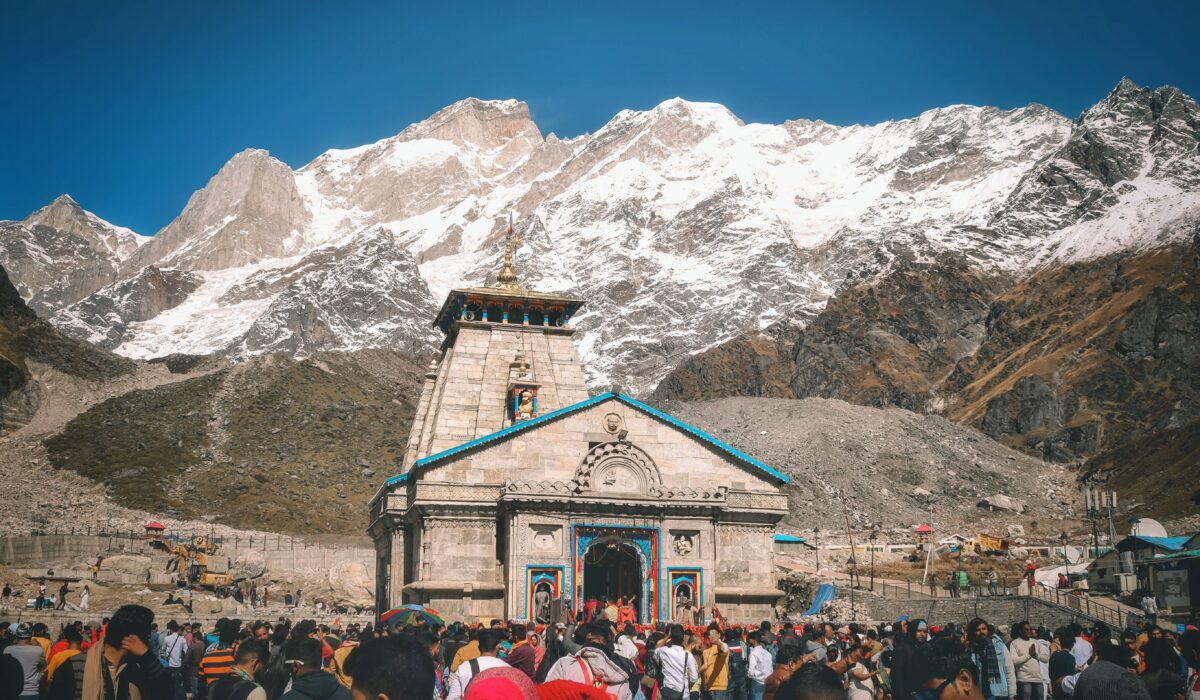
Gangotri, the origin of the holy Ganges River, is home to the Gangotri Temple, a revered site for devotees. Kedarnath, dedicated to Lord Shiva, is accessible via a significant trek or helicopter and is one of the twelve Jyotirlingas. Badrinath, dedicated to Lord Vishnu, is the final and most revered Dham, situated on the banks of the Alaknanda River. Understanding these individual destinations is crucial when considering the comprehensive **Chardham Yatra Route Map Explained**.
Starting Your Chardham Yatra: Key Departure Points
Most Chardham Yatras typically commence from either Haridwar or Rishikesh, both serving as traditional gateways to the Garhwal Himalayas. These cities offer excellent connectivity from major Indian metros and provide a range of accommodation and travel services.
Haridwar and Rishikesh are not just convenient starting points; they are also significant spiritual centers in their own right, allowing pilgrims to immerse themselves in the holy atmosphere before embarking on the main journey. Many pilgrims choose to spend a day or two here for acclimatization and initial prayers. The Char Dham Yatra 2026 saw 1,260,478 pilgrims in its first 25 days (April 19 – May 13, 2026), according to official government data, highlighting the popularity of these departure points.
Other popular starting points include Dehradun and Delhi, especially for those opting for Chardham Yatra packages that include air travel or direct road transfers. Dehradun, being the capital of Uttarakhand, has an airport and is a common hub for helicopter services. When you’re considering the **Chardham Yatra Route Map Explained**, your choice of departure point significantly impacts your initial travel logistics.
Choosing Your Gateway City
Your choice of gateway city depends on your overall travel plan and budget. Haridwar and Rishikesh are ideal for those seeking a traditional road journey, while Dehradun is often preferred for Chardham Yatra by helicopter options.
* Haridwar: Well-connected by rail and road, offering a vibrant spiritual atmosphere. It’s a classic starting point for the **Chardham Yatra Route Map Explained**.
* Rishikesh: Known as the ‘Yoga Capital of the World,’ it provides a serene environment and is a popular base for adventure activities.
* Dehradun: Offers airport access (Jolly Grant Airport) and is a hub for helicopter services, shortening travel times significantly.
Chardham Yatra by Road vs. Helicopter: A Comparative Guide
The choice between undertaking the Chardham Yatra by road or by helicopter largely depends on your time constraints, physical fitness, and desired level of comfort. While road travel offers a more traditional and immersive experience, helicopter services provide a quicker, more luxurious alternative.
Helicopter services, offered by companies like Heritage Aviation and Pawan Hans, dramatically reduce travel time and bypass challenging road conditions, making the pilgrimage accessible for the elderly or those with health concerns. Heritage Aviation’s Founder & CEO emphasizes their mission to “make flying safer, faster, and more accessible across the Himalayas,” focusing on safety and comfort for Chardham Yatra helicopter services. This is a crucial aspect of the **Chardham Yatra Route Map Explained** for many pilgrims.
Road journeys, while longer and more arduous, allow pilgrims to witness the stunning Himalayan landscapes up close and visit various smaller temples and scenic spots along the way. It’s an investment in the journey itself, offering a deeper connection with the region. However, it requires more physical endurance and patience with Chardham Yatra road conditions.
Comparison of Travel Modes
Understanding the pros and cons of each mode helps in planning your perfect Chardham Yatra. The table below offers a quick comparison.
| Feature | Road Travel | Helicopter Travel |
|---|---|---|
| Time Taken | 8-12 days (approx.) | 1-2 days (approx.) |
| Physical Exertion | High (includes treks) | Low (minimal trekking) |
| Cost Investment | Considered (lower initial) | Higher (premium service) |
| Accessibility | Moderate (weather-dependent) | High (weather-dependent but faster recovery) |
| Experience | Immersive, scenic, traditional | Efficient, comfortable, panoramic views |
For those prioritizing efficiency and comfort, the Chardham Yatra by helicopter cost is a considered investment. Companies like Travelophila also offer curated Chardham Yatra packages that include helicopter options for a truly luxurious experience.
Navigating the Chardham Yatra: Distances and Travel Times
Navigating the Chardham Yatra involves understanding significant distances and varying travel times between the Dhams, primarily due to mountainous terrain and road conditions. While direct distances might seem short on a map, actual travel can take many hours.
For instance, the journey from Guptkashi to Kedarnath involves a demanding 18 km trek, which typically takes 6-8 hours, or a quick helicopter ride. This highlights why a detailed **Chardham Yatra Route Map Explained** is so vital for preparation.
The total distance covered in the Chardham Yatra circuit from a starting point like Haridwar and back can range from 1,200 to 1,600 kilometers, depending on the exact route and detours. These distances are often broken down into daily segments for practical planning.
Key Distances and Estimated Travel Times
Here’s an overview of approximate distances and travel times between major points on the **Chardham Yatra Route Map Explained**:
- Haridwar to Barkot (for Yamunotri): Approx. 200 km, 7-8 hours.
- Barkot to Janki Chatti: Approx. 45 km, 2-3 hours.
- Janki Chatti to Yamunotri Temple: 6 km trek (one way), 3-4 hours.
- Barkot to Uttarkashi (for Gangotri): Approx. 80 km, 3-4 hours.
- Uttarkashi to Gangotri Temple: Approx. 100 km, 3-4 hours.
- Uttarkashi to Guptkashi (for Kedarnath): Approx. 220 km, 8-10 hours.
- Guptkashi to Gaurikund: Approx. 30 km, 1-2 hours.
- Gaurikund to Kedarnath Temple: 18 km trek (one way), 6-8 hours.
- Guptkashi to Badrinath: Approx. 200 km, 8-10 hours (often via Joshimath).
These are estimations, and actual times can vary based on Chardham Yatra road conditions, traffic, and weather. Planning your Kedarnath Badrinath route map and Yamunotri Gangotri route details carefully is paramount.
Chardham Yatra Registration: Your Step-by-Step Online Guide
Mandatory online registration is a critical first step for every pilgrim undertaking the Chardham Yatra, ensuring safety, managing crowd flow, and providing necessary support services. This process is handled by the Uttarakhand Tourism Development Board through its official portal.
Pre-registrations for the 2026 Yatra reached approximately **17-18 lakh**, the highest in Char Dham history, underscoring the importance of securing your spot early, according to official data (2026). Without proper registration, pilgrims may face difficulties accessing the Dhams. The system is designed to provide comprehensive pilgrim safety Chardham Yatra.
The online registration portal, registrationandtouristcare.uk.gov.in, is user-friendly and guides you through the necessary steps. This mandatory step is a cornerstone of responsible pilgrimage and a key component of the **Chardham Yatra Route Map Explained**.
How to Complete Your Online Registration
Completing your Chardham Yatra registration online is straightforward when you follow these steps:
- Visit the Official Portal: Navigate to registrationandtouristcare.uk.gov.in, the official Uttarakhand Tourist Care portal.
- Register as a New User: Click on “Register/Login” and create a new account using your mobile number and email ID. You’ll receive an OTP for verification.
- Fill in Personal Details: Provide all required personal information, including name, address, ID proof (Aadhaar, Voter ID, etc.), and emergency contact details.
- Add Yatra Details: Specify your Yatra dates, the Dhams you plan to visit, and your mode of travel (road/helicopter). You’ll need to select the specific temples.
- Upload Documents: Upload scanned copies of your ID proof and a recent passport-sized photograph. Ensure documents are clear and meet size requirements.
- Receive Registration Certificate: Once submitted and approved, you’ll receive a Yatra Registration Certificate with a unique QR code. Download and print this for your journey.
Offline registration counters are also available at various points like Haridwar, Rishikesh, and Jolly Grant Airport, but online registration is highly recommended for convenience and speed.
Essential Safety Tips for Chardham Yatra During Monsoon
Undertaking the Chardham Yatra during the monsoon season (July to September) presents unique challenges, making essential safety tips paramount for pilgrim well-being. The region is prone to heavy rainfall, landslides, and flash floods, which can severely impact Chardham Yatra road conditions.
As of June 19, 2026, over 38 lakh pilgrims had visited the four shrines, but the record footfall also led to 201 confirmed deaths, primarily due to pre-existing health conditions aggravated by high altitude and long treks, according to a senior administration official (2026). This stark statistic underscores the need for extreme caution, especially during adverse weather. A detailed monsoon travel advisory Chardham is crucial.
While the scenery during monsoon is lush and vibrant, the risks are significantly higher. Always prioritize safety and be prepared for potential delays or route changes. This section of the **Chardham Yatra Route Map Explained** emphasizes preparedness.
Monsoon Precautions and Preparations
If your pilgrimage falls during the monsoon, consider these vital precautions:
* Monitor Weather Forecasts: Regularly check updates from the Indian Meteorological Department (IMD) for the region.
* Pack Waterproof Gear: Essential items include a good quality rain jacket, waterproof pants, sturdy waterproof trekking shoes, and a waterproof cover for your backpack.
* Carry Essential Medicines: Include medication for colds, fever, stomach issues, and any personal prescriptions. High altitude sickness medication is also advisable.
* Stay Hydrated and Energized: Carry dry snacks, energy bars, and a reusable water bottle.
* Travel in Groups: Avoid solitary travel, especially on treks. Inform family or friends of your itinerary.
* Avoid Night Travel: Landslides are more common and dangerous at night. Plan your travel segments to reach your destination before dusk.
* Keep Emergency Contacts: Save local emergency numbers and share your live location with family. The Uttarakhand Tourist Care portal provides emergency contacts.
* Consider Travel Insurance: A comprehensive travel insurance policy can cover medical emergencies or trip cancellations.
Anoop Nautiyal, founder of SDC Foundation, stated that “data-based analysis and regular monitoring are important for improving pilgrimage management and strengthening preparedness” (2026), reinforcing the need for vigilance.
Exploring Beyond the Dhams: Hidden Gems on Your Route
While the four Dhams are the primary focus, the **Chardham Yatra Route Map Explained** also unveils numerous hidden gems and sacred detours that can significantly enrich your spiritual and cultural experience. These lesser-known sites offer tranquility, stunning natural beauty, and deeper historical insights.
Many pilgrims rush through the main circuit, missing out on places like Mana Village near Badrinath, which is often cited as the last inhabited village before the Indo-Tibetan border and holds strong connections to the Mahabharata. Exploring such spots adds a unique dimension to your pilgrimage. This approach elevates your journey from a simple visit to a profound exploration of the region’s spiritual tapestry.
These detours provide excellent opportunities for photography, cultural interaction, and moments of quiet reflection away from the main pilgrim crowds. They offer a chance to truly understand the depth of the **Chardham Yatra Route Map Explained**.
Must-Visit Detours and Sacred Sites
Consider integrating these special places into your Chardham Yatra itinerary:
- Mana Village (near Badrinath): Explore this charming village, believed to be where Ved Vyas dictated the Mahabharata. Visit Vyas Gufa and Ganesh Gufa.
- Triyuginarayan Temple (near Guptkashi): The mythical wedding place of Lord Shiva and Parvati, with an eternal flame.
- Devprayag Sangam: Witness the breathtaking confluence of the Alaknanda and Bhagirathi rivers, forming the holy Ganga. It’s a sacred stop on the Uttarakhand pilgrimage guide.
- Harsil Valley (near Gangotri): A picturesque valley known for its apple orchards and stunning views of the Bhagirathi River.
- Chopta Valley: Often called ‘Mini Switzerland of India,’ it’s a base for the Tungnath and Chandrashila trek, offering panoramic Himalayan vistas.
- Kalimath Temple (near Guptkashi): One of the 108 Shakti Peeths, less crowded and profoundly spiritual.
These sites offer a more curated and reflective experience, allowing you to delve deeper into the region’s spiritual heritage. Travelophila, for instance, often includes such unique stops in their comprehensive Chardham Yatra packages, ensuring a memorable journey.
Frequently Asked Questions
What is the correct order in the Chardham Yatra Route Map?
The correct order for the Chardham Yatra is a clockwise direction, starting with Yamunotri, then Gangotri, followed by Kedarnath, and finally Badrinath. This sequence aligns with ancient Hindu traditions and is logistically optimal for pilgrims. Adhering to this established order is believed to maximize spiritual benefits.
Where does the Chardham Yatra usually start from?
The Chardham Yatra typically starts from the gateway cities of Haridwar or Rishikesh, which offer excellent connectivity and various pilgrim facilities. These locations serve as traditional departure points for the journey into the Garhwal Himalayas. Dehradun is also a common starting point, especially for those opting for helicopter services, making it a key hub.
Can Chardham Yatra be done completely by road?
Yes, the Chardham Yatra can largely be completed by road, with the exception of the final stretches to Yamunotri and Kedarnath, which require a trek. While most of the journey involves road travel, the 6 km trek to Yamunotri and the 18 km trek to Kedarnath are integral parts of the traditional pilgrimage. Helicopter services are available for these trekking segments.
How long does Chardham Yatra by road take?
A Chardham Yatra by road typically takes between 8 to 12 days, depending on your pace, starting point, and the number of stops you make. This duration accounts for travel time, darshan at each Dham, and overnight stays. For example, a common Chardham Yatra itinerary might allocate 10 days for a comfortable journey.
Is the Yatra Route Map same every year?
The core Chardham Yatra Route Map, including the traditional clockwise order of the Dhams, remains consistent each year. However, specific Chardham Yatra road conditions can change due to weather or construction, potentially leading to minor detours or temporary closures. Pilgrims should always check the latest updates from the Uttarakhand Tourism Development Board (2026) before commencing their journey.