
Key Takeaways
- Nepal issued 236,587 trekking permits in 2024, marking the highest number since records began, according to The Everest Holiday (2026).
- Acute Mountain Sickness (AMS) affects 25% of climbers rapidly ascending to 3,500m, states Global Summit Guide (2025-2026).
- Kedarkantha and Ghorepani Poon Hill are consistently top choices for **Easy Himalayan Treks for Beginners**.
- Physical fitness has no correlation with AMS susceptibility; it’s a metabolic struggle, according to Himalayan Guardian Nepal (HGN) (2026).
- Investing in quality gear from brands like Salomon and Icebreaker is crucial for comfort and safety on your first trek.
Planning your inaugural adventure into the majestic Himalayas can feel overwhelming, but discovering the perfect **Easy Himalayan Treks for Beginners** is simpler than you think. This guide is crafted to empower first-time trekkers, offering comprehensive insights into selecting, preparing for, and safely enjoying your initial high-altitude journey. We’ll navigate the best routes, essential gear, and crucial safety tips to ensure your Himalayan dream becomes a confident reality.
Quick Answer: For first-time trekkers, the Himalayas offer accessible trails like Kedarkantha, Ghorepani Poon Hill, and Chopta Tungnath. Prioritize gradual acclimatization, choose reputable guides, invest in essential gear, and focus on building both physical and mental resilience for a safe and unforgettable journey.
What Makes a Himalayan Trek 'Beginner-Friendly' in 2026?
**Easy Himalayan Treks for Beginners** are characterized by a combination of manageable altitude, well-defined trails, and readily available support infrastructure. A trek is considered beginner-friendly if its maximum altitude generally remains below 4,000 meters (approximately 13,000 feet), minimizing the risk of severe Acute Mountain Sickness (AMS), according to Global Summit Guide (2025-2026). The key is a gradual ascent profile.
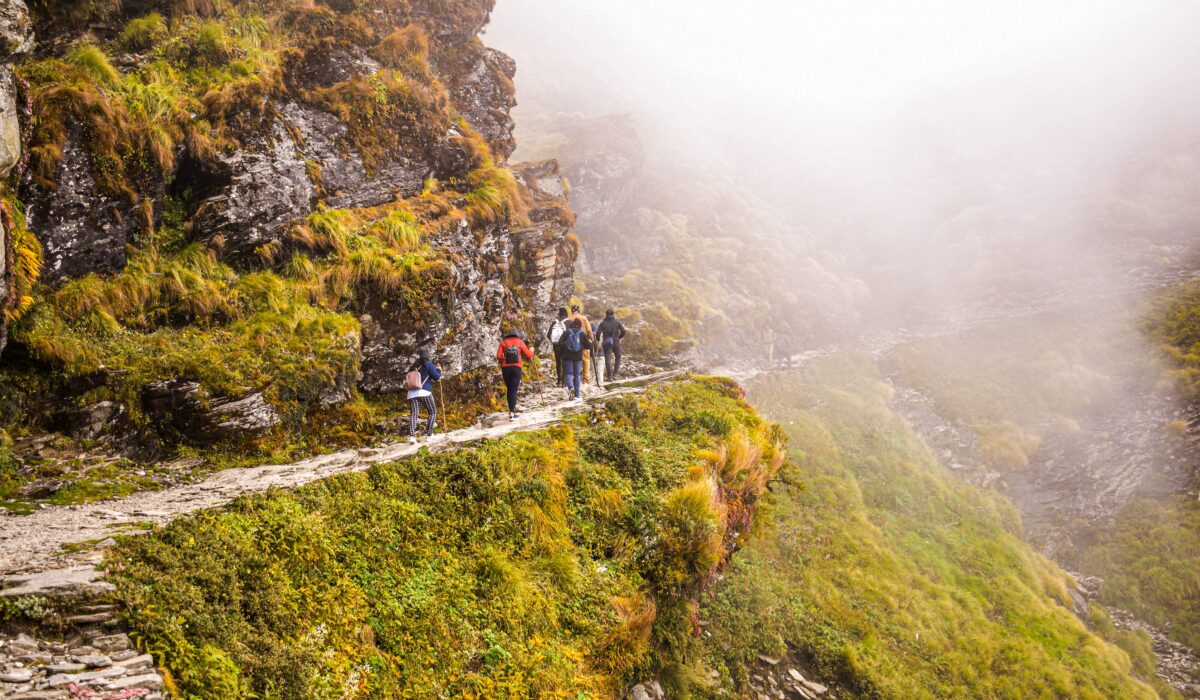
These treks typically feature moderate daily walking distances, often between 4-7 hours, on relatively clear paths without technical climbing or extensive boulder fields. This makes them perfect **Himalayan trekking for beginners**. You’ll find comfortable teahouses or guesthouses along the route, eliminating the need for camping gear and simplifying logistics. In my experience, the presence of local communities and a clear support system (guides, porters) significantly enhances the safety and enjoyment for first-timers.
**Key characteristics of beginner-friendly Himalayan treks:**
* **Moderate Altitude:** Maximum elevation typically under 4,000m (13,000 ft).
* **Gradual Ascent:** Routes designed with ample acclimatization days and minimal rapid elevation gain.
* **Well-Maintained Trails:** Clear, non-technical paths suitable for trekkers with basic hiking experience.
* **Accessible Logistics:** Easy access to trailheads and established accommodation options like teahouses.
* **Support Services:** Availability of experienced local guides and porters.
Choosing **short Himalayan treks** is also a great strategy for first-timers. These shorter durations allow you to test your stamina and acclimatization without committing to an extended journey. It’s about building confidence and enjoying the stunning scenery without unnecessary physical strain.
Top 10 Easy Himalayan Treks for First-Time Trekkers in 2026
Identifying the ideal **Easy Himalayan Treks for Beginners** involves balancing stunning scenery with manageable challenges. These selected routes offer incredible experiences without demanding advanced trekking skills or extreme physical endurance. Many of these options are also considered among the **safest Himalayan treks** due to their infrastructure and popularity.
Here’s a curated list of **Easy Himalayan Treks for Beginners**:
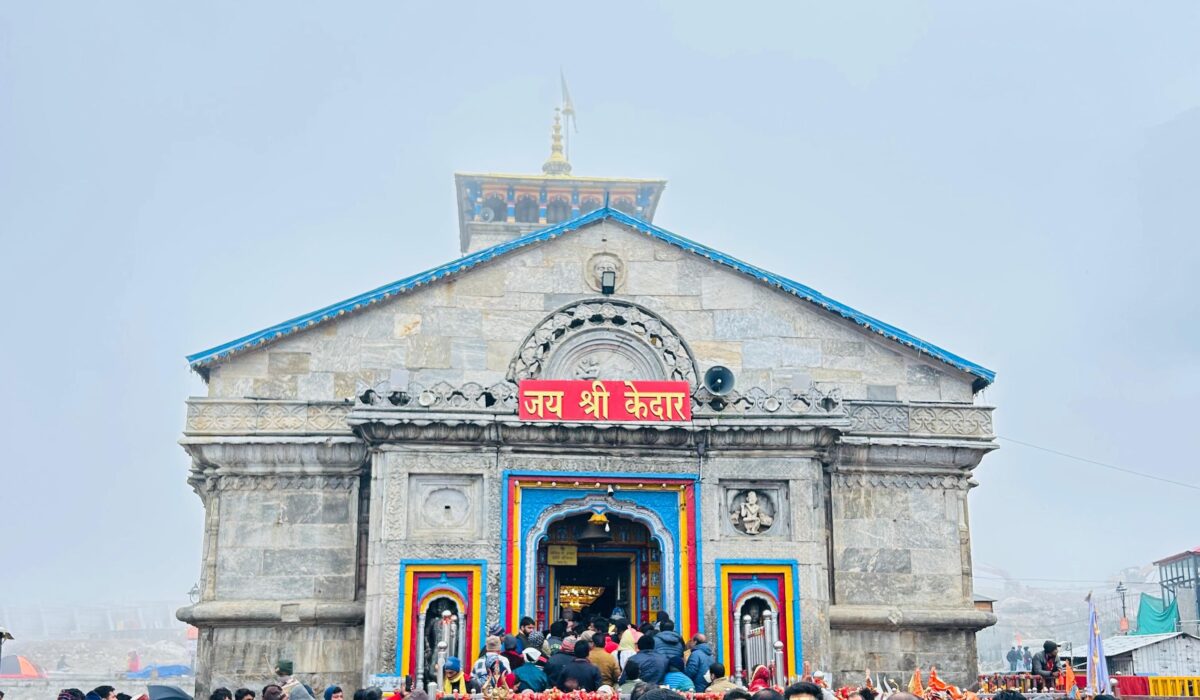
1. **Kedarkantha Trek (Uttarakhand, India):** This trek is consistently ranked among the best **easy treks India Himalayas**. It offers snow-covered trails in winter, dense pine forests, and stunning summit views at approximately 12,500 ft. A fantastic choice for a winter wonderland experience.
2. **Ghorepani Poon Hill Trek (Annapurna Region, Nepal):** An ideal short trek (4-5 days) known for its panoramic sunrise views of the Annapurna and Dhaulagiri ranges, reaching a maximum altitude of 3,210 m. Nepal issued **68,743 permits for the Annapurna Conservation Area in 2024**, showcasing its immense popularity, according to The Everest Holiday (2026).
3. **Chopta Tungnath Trek (Uttarakhand, India):** This trek provides a rewarding Himalayan experience to Tungnath Temple (the highest Shiva temple) and Chandrashila Summit (12,100 ft), famed for its vibrant rhododendron forests in spring. It’s a great option for those seeking **beginner friendly treks India**.
4. **Dayara Bugyal Trek (Uttarakhand, India):** Featuring vast open meadows (bugyals) and scenic landscapes, this trek is suitable for beginners seeking beauty without tough climbs, reaching about 12,100 ft. It’s a serene option for **Easy Himalayan Treks for Beginners**.
5. **Everest Panorama Trek (Khumbu Region, Nepal):** Allows first-time trekkers to experience the famous Khumbu region and views of Mount Everest without the full Everest Base Camp challenge, reaching around 3,800m. It’s an accessible way to glimpse the world’s highest peak.
6. **Triund Trek (Himachal Pradesh, India):** A popular weekend trek offering spectacular views of the Dhauladhar range and Kangra Valley, with a relatively short and gentle ascent. It’s one of the most accessible **Easy Himalayan Treks for Beginners** in India.
7. **Nag Tibba Trek (Uttarakhand, India):** Often completed in a weekend, this trek provides stunning views of Bandarpoonch, Swargarohini, and the Gangotri peaks, making it a perfect introduction to the Garhwal Himalayas. It’s a short and sweet option for **short Himalayan treks**.
8. **Sar Pass Trek (Himachal Pradesh, India):** While slightly more challenging than others on this list, it’s still considered suitable for fit beginners, offering diverse landscapes from forests to snow-covered passes. Proper preparation makes this one of the achievable **Easy Himalayan Treks for Beginners**.
9. **Brahmatal Trek (Uttarakhand, India):** Known for its frozen lake in winter and stunning views of Mt. Trishul and Nanda Ghunti, this trek is an excellent choice for those wanting snow without extreme altitude. It’s a picturesque option for **easy treks India Himalayas**.
10. **Pikey Peak Trek (Solu-Khumbu, Nepal):** Offers magnificent sunrise and sunset views of Everest and the entire Solu-Khumbu range. It’s a less-crowded alternative to Poon Hill, providing a genuine taste of the lower Everest region.
How to Prepare for Your First Himalayan Trek in 2026?
Preparing for your first Himalayan trek in 2026 involves a holistic approach, encompassing physical fitness, mental readiness, and meticulous planning. **Himalayan trek preparation guide** typically recommends starting physical training at least 2-3 months prior to your departure. This preparation is crucial for enjoying **Easy Himalayan Treks for Beginners**.
**Physical Preparation:**
Focus on building endurance, strength, and cardiovascular fitness. Aim for activities that mimic trekking, such as:
* **Cardio:** Regular brisk walking, jogging, cycling, or swimming (3-4 times a week for 45-60 minutes).
* **Strength Training:** Focus on legs and core with exercises like squats, lunges, and planks.
* **Hiking Practice:** Include hikes with a weighted backpack on varied terrain to simulate trail conditions.
“Scientific data from the 2025 trekking season confirms that physical fitness has zero correlation with your susceptibility to Acute Mountain Sickness (AMS). Altitude sickness is a metabolic struggle, not a muscular one,” states Himalayan Guardian Nepal (HGN) (April 2026). While fitness won’t prevent AMS, it makes the trek significantly more enjoyable and less physically taxing, allowing you to focus on acclimatization.
**Mental Preparation:**
The psychological aspect is often underestimated. You’ll encounter discomfort, unpredictable weather, and potentially long days. Cultivate a positive mindset and adaptability. Visualize success and prepare for challenges. Understanding that not every moment will be glamorous helps manage expectations.
Safest Himalayan Treks & Acclimatization Strategies for Beginners
Ensuring your safety on **Easy Himalayan Treks for Beginners** hinges on choosing appropriate routes and adhering to strict acclimatization protocols. The **safest Himalayan treks** are those that incorporate gradual ascents, allowing your body ample time to adjust to increasing altitude. This is paramount for **altitude sickness prevention Himalayas**.
**Acclimatization Strategies for Beginners:**
* **Go Slow, Go High, Sleep Low:** This classic mantra means ascending gradually. For every 1,000 meters (3,300 feet) gained above 2,500 meters, plan an extra rest day or a short, higher excursion followed by returning to a lower altitude for sleep.
* **Hydration is Key:** Drink plenty of water (3-4 liters daily) to aid acclimatization. Dehydration can exacerbate AMS symptoms.
* **Listen to Your Body:** Pay attention to symptoms like headaches, nausea, dizziness, or unusual fatigue. These are early warning signs of AMS.
* **Avoid Overexertion:** Don’t push yourself too hard, especially in the initial days. Pace yourself.
* **No Alcohol or Smoking:** These substances impair your body’s ability to acclimatize.
“The most dangerous sentence in the Himalayas is: ‘I’m in great shape, I’ll be fine,'” warns Himalayan Guardian Nepal (HGN) (April 2026). This highlights that even the fittest individuals are susceptible to AMS if they don’t acclimatize properly. Acute Mountain Sickness (AMS) affects an estimated **25% of climbers** who ascend rapidly to 3,500m, rising to **75% above 4,500m** in unacclimatized individuals, according to Global Summit Guide (2025-2026). Prioritizing slow, steady progress is the best strategy for **Easy Himalayan Treks for Beginners**.
Essential Gear for First-Time Himalayan Trekkers (Budget-Friendly Tips)
Equipping yourself properly is an investment in your comfort and safety on **Easy Himalayan Treks for Beginners**. While it’s tempting to buy everything new, smart choices can make a significant difference. A comprehensive **beginner trekking gear list** doesn’t have to break the bank.
**Key Gear Categories:**
* **Footwear:** Invest in quality, broken-in trekking boots. Brands like Salomon offer excellent support and durability. Don’t forget comfortable trekking socks; Smartwool is a fantastic choice for moisture-wicking and warmth.
* **Clothing (Layering System):**
* **Base Layers:** Moisture-wicking thermals (e.g., Icebreaker merino wool).
* **Mid Layers:** Fleece jacket or down vest for insulation.
* **Outer Shell:** Waterproof and windproof jacket and trousers.
* **Backpack:** A comfortable 40-60 liter backpack, fitted correctly.
* **Sleeping Bag:** Rated for temperatures appropriate to your trek and season.
* **Headlamp:** Essential for early starts or late arrivals.
* **Water Bottle/Hydration Pack:** Staying hydrated is crucial.
* **First-Aid Kit:** Personal medications, blister treatment, pain relievers.
**Budget-Friendly Tips:**
Consider renting larger, more expensive items like sleeping bags and trekking poles from your operator or local shops. Look for sales on brands like Salomon for boots or Icebreaker for base layers. Second-hand gear in good condition can also be a smart, considered option for **Easy Himalayan Treks for Beginners**.
When is the Best Time for Beginner Himalayan Treks in 2026?
Choosing the optimal time is crucial for enjoying **Easy Himalayan Treks for Beginners**, impacting weather, visibility, and trail conditions. The **best time for Himalayan trekking** generally falls into two distinct seasons: spring and autumn. These seasons offer the most stable weather and clearest mountain views.
**Peak Trekking Seasons:**
* **Spring (March to May):** This season brings vibrant rhododendron blooms, warmer temperatures, and clear skies, making it ideal for **Easy Himalayan Treks for Beginners**. The peak trekking season in Nepal from March to May accounts for **30% of annual permits**, according to The Everest Holiday (2026).
* **Autumn (September to November):** Widely considered the best time due to stable weather, crisp air, and spectacular visibility after the monsoon. October and November account for **40% of annual permits** in Nepal, as reported by The Everest Holiday (2026). This is the prime window for **best season for trekking Nepal** and India.
“Spring and fall remain the most favored seasons across Nepal, Bhutan, and Tibet, both offering clear mountain views, stable weather, and ideal conditions for travel,” notes Dharma Adventures (February 2026). While these are the most popular, some **Easy Himalayan Treks for Beginners** like Kedarkantha are fantastic in winter for a snow experience.
Beyond the Trail: Mindset, Safety, and Responsible Trekking for Beginners
Your first Himalayan journey is about more than just physical steps; it’s a profound experience that requires a strong mindset, unwavering safety consciousness, and a commitment to responsible tourism. Embracing these aspects transforms **Easy Himalayan Treks for Beginners** into truly enriching adventures.
**Cultivating the Right Mindset:**
“The mountains don’t reward rushing, ego or trying to control everything. They reward patience, awareness and respect,” advises a real guide on Himalayan trekking (February 2026). This sentiment perfectly encapsulates the attitude needed for success. Approach your trek with humility, curiosity, and an open mind.
**Prioritizing Safety:**
* **Travel Insurance:** A comprehensive policy covering high-altitude trekking and emergency evacuation is non-negotiable. In India, mountain climbing and trekking accidents result in a high fatality rate, with deaths accounting for **61% of all outcomes**, according to Market.us Media (2026).
* **Inform Others:** Share your itinerary with family or friends.
* **Follow Guide Instructions:** Your local guide possesses invaluable knowledge of the terrain and conditions.
* **Emergency Contacts:** Carry essential emergency numbers for your operator, embassy, and local contacts.
**Responsible Tourism Himalayas:**
Engaging respectfully with local communities and minimizing your environmental impact is paramount. Support local economies by purchasing goods and services from villagers. Pack out everything you pack in, leaving no trace. This ensures the pristine beauty of these **Easy Himalayan Treks for Beginners** for future generations.
Choosing the Right Trekking Operator for Your First Himalayan Adventure
Selecting a reputable trekking operator is arguably the most critical decision for **Easy Himalayan Treks for Beginners**. A good operator ensures safety, provides expert guidance, and handles all logistical complexities, allowing you to focus purely on the experience. Look for companies with a proven track record.
**What to Look For in an Operator:**
* **Experience & Reputation:** Operators like Ace the Himalaya have extensive experience in organizing **Himalayan trekking for beginners**. Check reviews and testimonials.
* **Safety Protocols:** Inquire about their emergency procedures, guide qualifications (first aid, altitude training), and communication systems.
* **Inclusion & Transparency:** A detailed itinerary should clearly state what’s included (permits, meals, accommodation, guides, porters) and any hidden costs.
* **Acclimatization Itinerary:** Ensure their itineraries for **Easy Himalayan Treks for Beginners** include adequate acclimatization days.
* **Responsible Practices:** Choose operators committed to fair wages for porters and guides, and sustainable trekking.
Ace the Himalaya, for example, is well-regarded for its meticulously planned itineraries and focus on client safety, making them a top choice for those seeking well-supported **Easy Himalayan Treks for Beginners**. They understand the nuances of first-time trekkers’ needs. Choosing a certified operator contributes significantly to a stress-free and secure journey.
Frequently Asked Questions
Which is the easiest trek in the Himalayas for beginners?
The Kedarkantha Trek in Uttarakhand, India, is widely considered one of the easiest and most rewarding **Easy Himalayan Treks for Beginners**. It features a maximum altitude of around 12,500 ft (3,800m) and well-defined trails, making it accessible for those with basic fitness. Its popularity is due to stunning views and manageable ascent.
Which is the safest trek for beginners in Himalayas?
The Ghorepani Poon Hill Trek in Nepal is consistently rated among the **safest Himalayan treks** for beginners, reaching a maximum altitude of 3,210m. This trek’s extensive infrastructure, clear trails, and numerous teahouses contribute to a secure experience, with the Annapurna Conservation Area seeing **68,743 permits issued in 2024**, according to The Everest Holiday (2026). It’s an excellent choice for **Easy Himalayan Treks for Beginners**.
Which is the best Himalayan trek for first time?
The best Himalayan trek for a first-timer is often the Kedarkantha Trek, due to its relatively low maximum altitude, stunning snowscapes, and a well-established route. It offers an incredible sense of achievement for **Easy Himalayan Treks for Beginners**, combining natural beauty with a manageable challenge. It’s a fantastic introduction to high-altitude trekking.
How do you prepare for your first Himalayan trek?
To prepare for your first Himalayan trek, focus on building cardiovascular endurance, leg strength, and mental resilience for at least 2-3 months prior. While physical fitness doesn’t prevent AMS, it makes the trek far more enjoyable, as **Himalayan Guardian Nepal (HGN)** highlights that altitude sickness is a metabolic struggle, not a muscular one (April 2026). Practice hiking with a weighted pack on varied terrain to simulate conditions.
Which is the best month for trekking in the Himalayas?
The best months for trekking in the Himalayas are typically spring (March to May) and autumn (September to November), offering stable weather and clear mountain views. The autumn months of October and November alone account for **40% of annual trekking permits in Nepal**, according to The Everest Holiday (2026). These seasons provide ideal conditions for **Easy Himalayan Treks for Beginners**.