
Key Takeaways
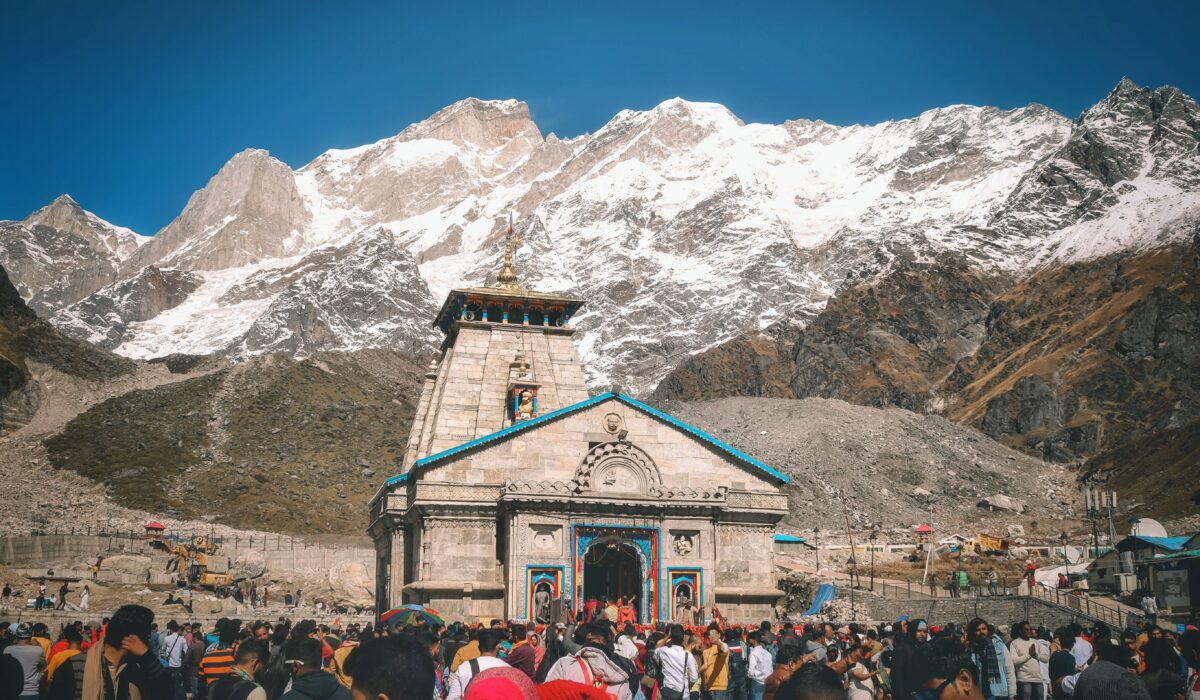
- Over 12 lakh pilgrims visited Kedarnath within two months of the 2026 yatra opening, according to DD India (2026).
- Kedarnath’s share in the total Char Dham footfall reached 40.5% in the first month of the 2026 Yatra, according to HimbuMail (2026).
- Biometric registration is mandatory for all pilgrims, a critical step for Kedarnath Yatra preparation, advises Gyanesh Singh (2026).
- The 2025 Char Dham Yatra attracted a record 16.56 lakh pilgrims to Kedarnath Dham, surpassing previous years, notes Tirtha Yatra (2025).
- Diamox is a medication suggested by medical professionals for preventing Acute Mountain Sickness (AMS) during high-altitude treks.
Planning a pilgrimage to the revered Kedarnath temple requires meticulous Kedarnath Yatra preparation to ensure a safe, comfortable, and spiritually enriching journey. Many pilgrims underestimate the physical demands and logistical complexities, leading to avoidable challenges on this sacred path. This comprehensive guide from Perfect Planners will walk you through seven essential ways to prepare, transforming potential worries into a journey of profound peace and devotion.
Quick Answer: Kedarnath Yatra preparation requires physical fitness, essential warm and waterproof packing, mandatory biometric registration, and medical consultation for altitude. Plan for acclimatization and ideal weather to ensure a safe, spiritual, and fulfilling pilgrimage journey.
Why is Kedarnath Yatra Preparation So Crucial?
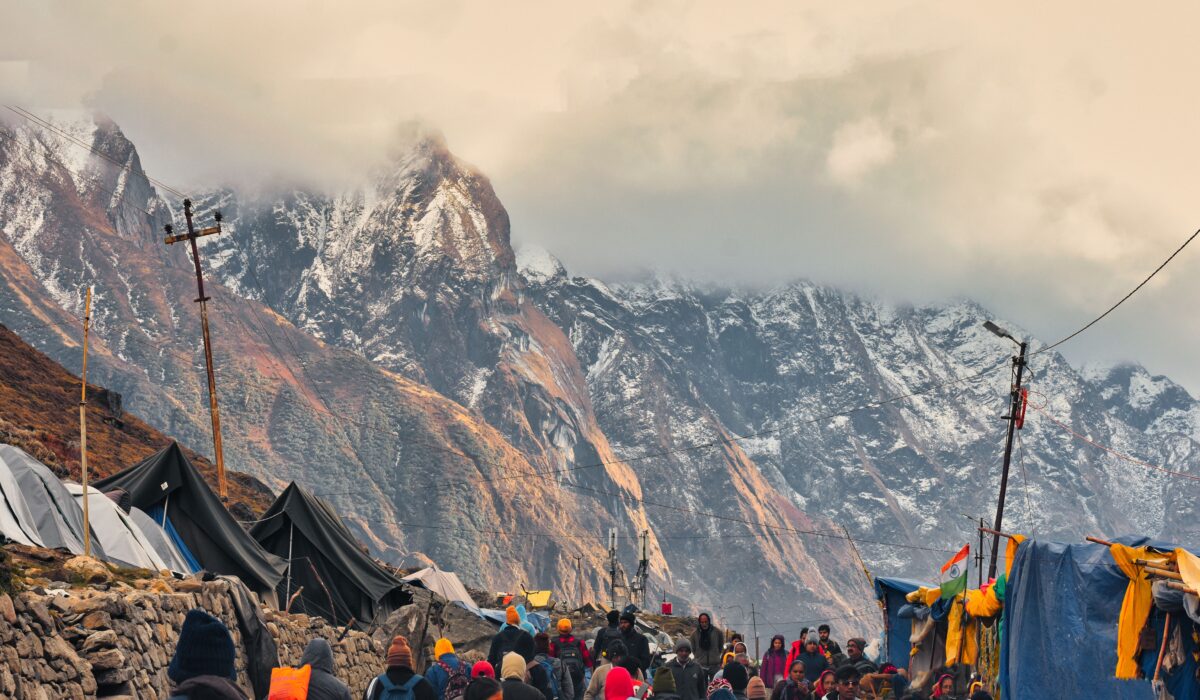
Kedarnath Yatra preparation is crucial because the pilgrimage involves a challenging high-altitude trek in unpredictable Himalayan weather, demanding significant physical and mental readiness. The 16-18 km trek from Gaurikund to Kedarnath Temple is no easy feat, as highlighted by Tour My India (2025). Proper Kedarnath Yatra preparation mitigates risks and enhances the spiritual experience.
This journey isn’t just a physical undertaking; it’s a profound spiritual immersion. Adequate Kedarnath Yatra preparation ensures you can focus on devotion rather than discomfort. Neglecting crucial steps can lead to health issues or logistical nightmares, diverting from the true purpose of the yatra.
The region’s altitude of 3583m and reduced oxygen levels require careful planning. According to HimbuMail (2026), Kedarnath alone attracted 6,65,140 devotees in the first month of the 2026 Yatra, demonstrating its immense popularity and the need for organized planning. From experience, we’ve seen how well-prepared pilgrims enjoy a far more serene journey.
How Can You Physically Prepare for the Kedarnath Trek?
To physically prepare for the Kedarnath trek, you must engage in a rigorous fitness regimen focused on cardiovascular endurance, strength, and stamina for several months prior. The steep, rugged terrain, combined with the high altitude, demands physical endurance and mental resilience, as noted by Tour My India (2025). Effective Kedarnath Yatra preparation begins with your body.
Start your training at least two to three months before your trip. Your goal is to build the stamina necessary for sustained uphill walking. This isn’t about becoming an athlete overnight, but about making a thoughtful investment in your well-being.
Step 1: Assess Physical Fitness
You should begin by honestly assessing your current fitness level to tailor your Kedarnath Yatra preparation. Understanding your baseline helps you set realistic goals for building strength and endurance, which is vital for the demanding trek.
Consult your doctor for a full check-up, especially if you have pre-existing conditions. This early medical advice forms the foundation of safe physical Kedarnath Yatra preparation.
Step 2: Build Cardiovascular Endurance
To tackle the long trek, you need to significantly improve your cardiovascular endurance. Consistent aerobic exercise enhances your body’s ability to use oxygen efficiently, a critical factor at high altitudes.
- Daily Walking: Aim for 5-7 km walks daily, gradually increasing distance and incorporating inclines.
- Stair Climbing: Use stairs or a stair machine for 30-45 minutes, three times a week, to simulate uphill trekking.
- Light Jogging/Cycling: Integrate these activities to further boost your heart and lung capacity.
This consistent effort is a key part of your Kedarnath Yatra preparation, making the actual trek more manageable. Consider our 30-Day Trekking Fitness Plan for a structured approach.
Step 3: Strengthen Core and Legs
Developing strong core and leg muscles is essential for stability and power on uneven terrain. Stronger muscles reduce fatigue and the risk of injury during your Kedarnath Yatra preparation.
Incorporate exercises like squats, lunges, and planks into your routine. These movements mimic the demands of climbing and descending, making your trek more comfortable. A robust core aids in maintaining balance, which is incredibly useful on the winding mountain paths.
What Should I Carry for Kedarnath Yatra? The Essential Packing List
For your Kedarnath Yatra, you should carry a carefully curated selection of warm, waterproof clothing, essential medications, and personal hygiene items to combat the unpredictable Himalayan weather. A thoughtful Kedarnath Yatra preparation packing list is your best defense against discomfort and potential health issues.
The key is layering, as temperatures can fluctuate dramatically. Don’t underestimate the cold, even during peak season. What most people miss is that investing in quality gear, rather than just any gear, makes all the difference in comfort and safety.
Step 4: Pack Essential Gear
You must pack essential gear that prioritizes warmth, waterproofing, and comfort. The right equipment is a non-negotiable aspect of successful Kedarnath Yatra preparation, protecting you from the elements.
- Clothing:
- Thermal innerwear (2-3 sets)
- Warm fleece jackets (2)
- Waterproof and windproof outer jacket and pants
- Woolen socks (4-5 pairs)
- Gloves, woolen cap, muffler
- Footwear:
- Sturdy, waterproof trekking shoes with good ankle support
- Comfortable sandals/slippers for evenings
- Personal Items:
- Small backpack (daypack) for the trek
- Headlamp or flashlight with extra batteries
- Power bank for charging devices
- Sunscreen (SPF 30+), lip balm, sunglasses
- Personal toiletries and hand sanitizer
- Health & Safety:
- First-aid kit (band-aids, antiseptic, pain relievers)
- Personal medications (Diamox for AMS, if prescribed)
- ORS/Electrol for hydration, as recommended by medical professionals.
- Water bottle (reusable)
- Documents:
- ID proof (Aadhar Card, Voter ID)
- Printed copy of biometric registration slip
- Medical fitness certificate (if required)
Remember, every item in your bag should serve a purpose. Overpacking can be as detrimental as underpacking when it comes to effective Kedarnath Yatra preparation.
Beyond Physical: Mental and Spiritual Readiness for Your Yatra
Beyond physical fitness, mental and spiritual readiness is paramount for your Kedarnath Yatra, allowing you to fully embrace the pilgrimage’s profound significance. As Kestral Aviation (2024) wisely states, “The Kedarnath Yatra is not just a physical journey; it is a spiritual pilgrimage.” This holistic Kedarnath Yatra preparation enriches your entire experience.
The journey tests not just your body, but your patience, resolve, and faith. Preparing your mind to face challenges with equanimity transforms mere travel into a sacred journey. It’s about cultivating an inner calm that can withstand external fluctuations.
Step 5: Prepare Mentally & Spiritually
You should actively prepare your mind and spirit to fully absorb the sacred atmosphere and overcome challenges with grace. This intrinsic Kedarnath Yatra preparation allows for deeper reflection and connection.
- Set Intentions: Reflect on the purpose of your pilgrimage. What do you seek? What do you wish to offer?
- Practice Mindfulness: Engage in meditation or deep breathing exercises to cultivate inner peace and focus.
- Manage Expectations: Understand that delays, crowds, or discomforts can occur. Embrace them as part of the journey.
- Study the History: Learn about the legends and significance of Kedarnath to deepen your appreciation.
This journey is a profound opportunity for introspection. By preparing your inner self, you ensure that your Kedarnath Yatra preparation is complete, touching every aspect of your being.
Navigating Logistics: Registration, Accommodation, and Travel Tips
Navigating the logistics of registration, accommodation, and travel tips is a critical component of your Kedarnath Yatra preparation, ensuring a smooth and hassle-free journey. Proper planning for these elements prevents last-minute stress and allows you to focus on the spiritual aspect.
The administrative requirements are in place for pilgrim safety and crowd management. It’s not just about getting there; it’s about getting there responsibly and efficiently. Ignoring these steps can lead to significant delays or even denial of entry.
Step 6: Complete Biometric Registration
You must complete mandatory biometric registration well in advance of your trip. This crucial step in Kedarnath Yatra preparation is enforced by the government to track pilgrim numbers and ensure safety.
Gyanesh Singh, Senior Travel Expert & Operations Manager at Yatrio.in (2026), emphasizes that “Biometric registration is mandatory for all pilgrims; Physical copy of registration slip is strongly recommended.” This process is managed via the official Uttarakhand Tourism website, registrationandtouristcare.uk.gov.in.
Step 7: Plan Accommodation and Travel
You should meticulously plan your accommodation and travel arrangements, including helicopter services if desired, as part of your comprehensive Kedarnath Yatra preparation. Booking in advance, especially during peak season, is essential to secure preferred options.
Pawan Hans, IRCTC, and Heritage Aviation are authorized providers for helicopter services, departing from helipads in Phata, Guptkashi, or Sersi. For those trekking, considering Kedarnath Yatra Hotel vs Camp options can help determine your comfort preferences.
Here’s a quick comparison of travel options to aid your Kedarnath Yatra preparation:
| Aspect | Trek (Gaurikund to Kedarnath) | Helicopter (Phata/Guptkashi/Sersi) |
|---|---|---|
| Physical Demand | High; 16-18 km steep ascent | Minimal; short flight, then short walk |
| Time Taken | 1-2 days (with overnight halt) | Approx. 15-20 minutes flight |
| Cost Investment | Lower (porters/ponies optional) | Higher (premium service) |
| Experience | Deeply spiritual, challenging, scenic | Efficient, panoramic views, time-saving |
| Flexibility | Weather-dependent, slower pace | Highly weather-dependent (cancellations common) |
What is the Best Time to Visit Kedarnath and Why?
The best time to visit Kedarnath is during the summer months of May and June, or the post-monsoon period of September and October, because these periods offer the most favorable weather conditions for trekking and darshan. These seasons are optimal for Kedarnath Yatra preparation due to clearer skies and safer routes.
The shrine typically opens in late April or early May and closes around October or November due to heavy snowfall. The Rudraprayag District Magistrate Vishal Mishra (2026) advised on monsoon dangers, underscoring the importance of timing.
- May to June: These months offer pleasant weather, with temperatures ranging from 5°C to 18°C. The snow has largely melted, making the trek more accessible.
- September to October: Post-monsoon, the weather is crisp and clear, with vibrant green landscapes. Temperatures range from 0°C to 15°C.
Avoid the monsoon season (July and August) entirely. The trek to Kedarnath Dham becomes more challenging due to the increased risk of landslides, falling debris, and rockfalls, according to Rudraprayag District Magistrate Vishal Mishra (2026). Your Kedarnath Yatra preparation must account for weather.
Building Your Kedarnath Yatra Resilience Plan: Contingency & Safety
Building your Kedarnath Yatra resilience plan involves developing robust contingency strategies for unexpected situations and prioritizing safety measures to ensure a secure pilgrimage. This proactive approach to Kedarnath Yatra preparation is crucial for handling unforeseen challenges, from weather changes to medical emergencies.
No matter how meticulously you plan, the Himalayas can be unpredictable. A true expert understands that preparedness isn’t just about what you hope happens, but what you do when things don’t go as planned. This is where your resilience plan truly shines.
Step 8: Consult Doctor for Health
You must consult a doctor well before your journey to discuss high-altitude health concerns and potential preventative measures. This medical consultation is a non-negotiable part of responsible Kedarnath Yatra preparation, especially for Acute Mountain Sickness (AMS).
Your doctor can advise on medications like Diamox, which is suggested for preventing AMS, to be taken after consulting a doctor. Discussing your medical history ensures you’re cleared for the high-altitude environment.
Step 9: Develop Contingency Plan
You need to develop a comprehensive contingency plan covering various unforeseen challenges, from helicopter cancellations to emergency contacts. This forward-thinking element of Kedarnath Yatra preparation provides peace of mind.
- Weather Delays: Have buffer days in your itinerary for potential travel disruptions, especially helicopter services which are highly weather-dependent.
- Medical Emergencies: Carry a well-stocked first-aid kit and know the nearest medical posts. Share your itinerary with family or friends.
- Communication: Carry a fully charged phone with power banks. Be aware that network connectivity can be intermittent.
- Emergency Funds: Always carry some cash, as ATMs may not be readily available or functional.
A solid contingency plan is a hallmark of sophisticated Kedarnath Yatra preparation, allowing you to adapt gracefully to any situation.
Practicing Responsible Tourism on Your Kedarnath Pilgrimage
Practicing responsible tourism on your Kedarnath pilgrimage means respecting the fragile Himalayan ecosystem, local culture, and fellow pilgrims, ensuring your visit leaves a positive impact. This commitment to mindful travel is an integral part of modern Kedarnath Yatra preparation, reflecting a reverence for both nature and spirituality.
The beauty of Kedarnath is a gift, and it’s our collective responsibility to preserve it. Every pilgrim has a role to play in maintaining the sanctity and cleanliness of this sacred site. We’re not just visitors; we’re temporary custodians.
- Waste Management: Carry all non-biodegradable waste back with you. Do not litter the trek routes or the temple premises.
- Respect Local Culture: Dress modestly, respect local customs, and engage respectfully with the local community.
- Support Local: Choose local guesthouses and eateries when possible to support the local economy.
- Conserve Resources: Be mindful of water and electricity usage, especially in remote areas.
- Silence and Serenity: Maintain peace and quiet, particularly around the temple, to enhance the spiritual atmosphere for everyone.
Your responsible actions during Kedarnath Yatra preparation and the journey itself contribute to the long-term sustainability of this divine destination. The SDC Foundation in Dehradun provides valuable data on pilgrim footfall, emphasizing the impact of tourism on the region.
Frequently Asked Questions
What should I carry for Kedarnath Yatra?
You should carry warm, waterproof clothing layers, sturdy trekking shoes, a personal first-aid kit, essential medications, and your biometric registration slip. Over 12 lakh pilgrims visited Kedarnath since the yatra began on April 22, 2026, according to DD India (2026), highlighting the need for comprehensive packing. Always prioritize safety and comfort with your gear.
How many days are sufficient for Kedarnath?
Two to three days are generally sufficient for the Kedarnath Yatra, including travel to Gaurikund, the trek, darshan, and return. This allows for one day of trekking up, one day for temple visit and descent, and buffer for travel.
How difficult is Kedarnath Yatra?
The Kedarnath Yatra is moderately to highly difficult due to the 16-18 km steep trek at high altitude and unpredictable weather conditions. The high Kedarnath’s height of 3583 m and low oxygen levels demand physical endurance, as stated by Tour My India (2025). Adequate physical and mental Kedarnath Yatra preparation is essential.
How can I prepare for Kedarnath trek?
You can prepare for the Kedarnath trek by starting a fitness regimen 2-3 months prior, focusing on cardiovascular endurance, leg strength, and stamina through daily walks, stair climbing, and light jogging. This physical Kedarnath Yatra preparation will significantly ease the arduous journey.
What is the best month to visit Kedarnath?
The best months to visit Kedarnath are May, June, September, and October, offering pleasant weather and clear skies ideal for trekking. Kedarnath alone attracted 6,65,140 devotees in the first month of the 2026 Yatra, according to HimbuMail (2026), indicating the popularity of these favorable periods. Avoid the monsoon season due to landslide risks.
Embarking on the Kedarnath Yatra is a profound spiritual experience that demands thoughtful and thorough Kedarnath Yatra preparation. By prioritizing your physical fitness, packing wisely, handling logistics, and preparing mentally, you’re not just planning a trip; you’re curating an unforgettable journey of faith. Let Perfect Planners guide your pilgrimage, ensuring every step is safe, comfortable, and deeply rewarding. Contact us today to tailor your ultimate Kedarnath experience.