
Key Takeaways
- The Kuari Pass Trek typically spans 5-7 days, covering 22-65 kilometers, according to trekking guides (2026).
- Maximum altitude reached on the Kuari Pass Trek is 12,500-12,750 feet (3,815-3,886 meters), offering stunning panoramic views.
- Average package cost for a 5-6 day Kuari Pass Trek ranges from ₹8,000 to ₹12,500 per person in 2026, excluding travel to Joshimath.
- The Kuari Pass Trek is considered an easy to moderate difficulty trek, suitable for beginners with basic fitness levels.
- Responsible tourism efforts, including Leave No Trace principles, are crucial for preserving the Nanda Devi Biosphere Reserve, as advocated by ATOAI (2025).
Planning your next Himalayan adventure often starts with one burning question: what does the **Kuari Pass Trek Itinerary and Cost** truly involve for 2026? This trek, famously known as the Lord Curzon Trail, promises breathtaking vistas of some of India’s highest peaks and a deep dive into the serene Garhwal Himalayas. We’ll unveil a hyper-detailed plan and transparent cost breakdown, ensuring you’re fully equipped for this unforgettable journey.
Quick Answer: The Kuari Pass Trek typically spans 5-7 days, reaching 12,500 ft. A 2026 package costs ₹8,000-₹12,500 per person (excluding travel to Joshimath), offering stunning Himalayan views and a moderate challenge suitable for beginners.
Kuari Pass Trek Itinerary 2026: Day-by-Day Micro-Plan
The Kuari Pass Trek typically spans 5 to 7 days, covering an approximate trekking distance of 22 to 65 kilometers, depending on your chosen route and starting point, according to The Searching Souls (2026). This detailed day-by-day micro-plan offers a comprehensive overview, ensuring you understand every step of your **Kuari Pass Trek Itinerary and Cost**.
Here’s a standard 6-day **Kuari Pass Trek Itinerary and Cost** breakdown, starting from Joshimath:
Step 1: Plan Your 2026 Itinerary
Planning your itinerary is crucial for a smooth trek. A well-structured plan helps manage expectations and ensures proper acclimatization, especially for the **Kuari Pass Trek Itinerary and Cost**.
- Day 1: Arrival in Joshimath (6,150 ft)
- Reach Joshimath by early afternoon. It’s your base camp for the Kuari Pass Trek.
- Check into your guesthouse and attend a mandatory trek briefing session with your operator.
- Spend the evening exploring the local market or relaxing, preparing for the adventure ahead.
- Day 2: Joshimath to Dhak to Gulling Top (9,200 ft) – Trek 6 km, 4-5 hours
- After breakfast, a short drive takes you to Dhak, the starting point of the trek.
- Begin your ascent through quaint villages and terraced fields.
- Reach Gulling Top, your first campsite, by late afternoon, enjoying initial views of Dronagiri and other peaks.
- Day 3: Gulling Top to Khullara (11,000 ft) – Trek 5 km, 3-4 hours
- Today’s trail winds through dense rhododendron and oak forests, offering serene natural beauty.
- You’ll gain significant altitude, so maintain a steady pace.
- Khullara campsite provides stunning views and a chance for further acclimatization, crucial for the **Kuari Pass Trek Itinerary and Cost**.
- Day 4: Khullara to Kuari Pass (12,500 ft) and back to Khullara – Trek 12 km, 7-8 hours
- This is summit day, starting early in the morning.
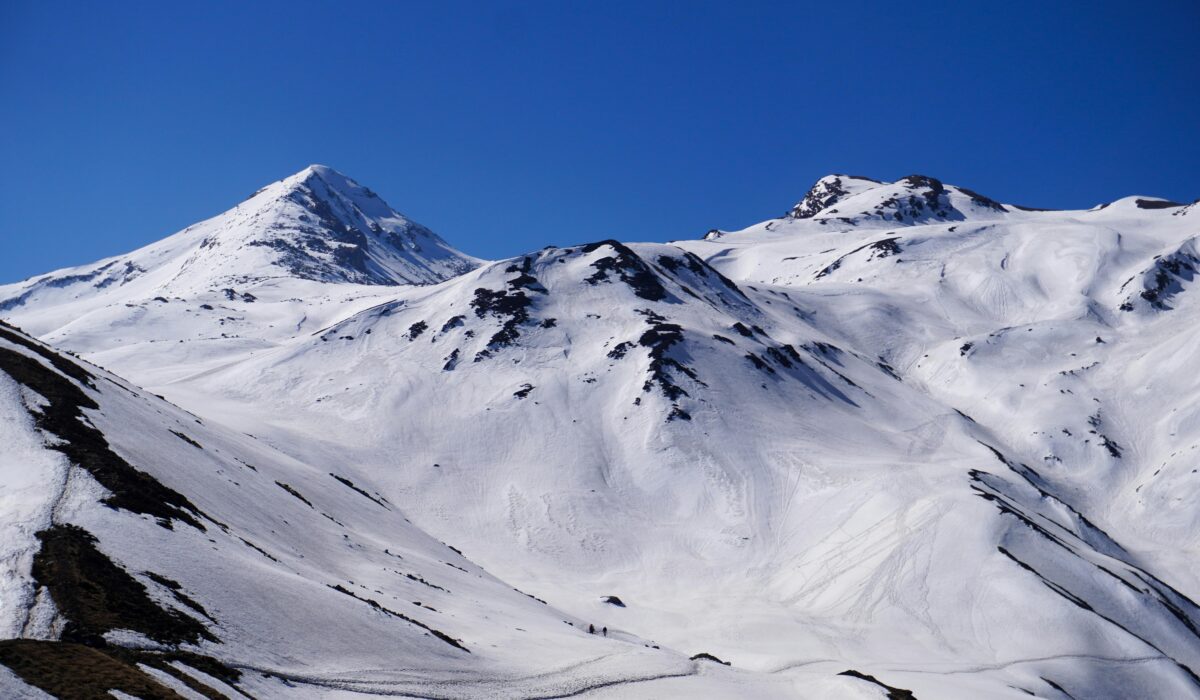
- The trail ascends through open meadows of Gorson Bugyal, offering panoramic views of Nanda Devi, Dronagiri, and Kamet.
- Spend time at Kuari Pass, soaking in the grandeur of the Himalayas, before descending back to Khullara.
- Day 5: Khullara to Dhak to Joshimath – Trek 11 km, Drive 1 hour
- Begin your descent from Khullara, retracing your steps through the forests.
- The downhill walk is relatively easier, bringing you back to Dhak.
- From Dhak, a vehicle will transport you back to Joshimath for a well-deserved rest.
- Day 6: Departure from Joshimath
- After breakfast, depart from Joshimath, carrying memories of your incredible Kuari Pass Trek.
- Travel back to Haridwar or Rishikesh, completing your journey.
This micro-plan ensures trekkers are well-prepared for each day’s challenge and can fully appreciate the **Kuari Pass Trek Itinerary and Cost**. Eric Shipton, a renowned explorer, aptly described the region’s magnificence by remarking, “A vision of such beauty is worth a world of struggle.”
Kuari Pass Trek Cost 2026: Operator Comparison & Inclusions
The average cost for a Kuari Pass trek package ranges from **₹8,000 to ₹12,500 per person** for a 5-6 day trek in 2026, excluding travel to Joshimath, with some premium packages reaching ₹30,000 per person depending on inclusions and group size, according to industry analysis (2025-2026). Understanding the **Kuari Pass Trek Itinerary and Cost** involves comparing operators and their offerings.
Step 2: Budget & Compare Trek Costs
Budgeting and comparing costs are essential to find a package that aligns with your expectations and financial plan. A thorough comparison helps you evaluate the value offered by different trekking companies for your **Kuari Pass Trek Itinerary and Cost**.
Most packages for the Kuari Pass Trek Itinerary and Cost include meals, accommodation in tents or guesthouses, permits, and an experienced trek leader and support staff. However, key exclusions often include personal trekking gear, travel to and from Joshimath, and personal expenses.
For example, The Searching Souls, a reputable trekking organization certified by IMF (Indian Mountaineering Foundation) and ATOAI (Adventure Tour Operators Association of India), offers comprehensive packages that prioritize safety and experience. Their 2026 offerings reflect a commitment to quality, a crucial aspect of the **Kuari Pass Trek Itinerary and Cost**.
Here’s a comparative look at typical inclusions for a **Kuari Pass Trek Itinerary and Cost** package:
| Inclusion Category | Standard Package (e.g., The Searching Souls) | Premium Package |
|---|---|---|
| Accommodation | Dome tents (twin/triple sharing), guesthouse in Joshimath | Higher quality tents, hotel stay in Joshimath, private rooms |
| Meals | Nutritious vegetarian meals (breakfast, lunch, dinner, snacks) | Varied menu, non-vegetarian options, high-energy snacks |
| Trekking Staff | Certified trek leader, local guides, cook, porters/mules | Higher guide-to-trekker ratio, experienced mountaineers |
| Permits & Fees | Forest entry permits, camping fees (Nanda Devi Biosphere Reserve) | All permits, additional cultural experience fees |
| Safety Equipment | First-aid kit, oxygen cylinder, basic rescue equipment | Advanced medical kit, satellite phone, emergency evacuation support |
| Transportation | Road transfer from Joshimath to Dhak (trek start point) | Dedicated vehicle from Rishikesh/Haridwar to Joshimath, private transfers |
Quick tip: Always clarify what is and isn’t included when evaluating the **Kuari Pass Trek Itinerary and Cost** to avoid surprises. Investing in a reputable operator ensures a safer and more enjoyable experience.
What is the Best Time to Visit Kuari Pass in 2026?
The best time to visit Kuari Pass for your **Kuari Pass Trek Itinerary and Cost** is typically during the spring (April to June) and autumn (September to November) months, offering pleasant weather and clear mountain views. During these periods, the conditions are ideal for trekking, ensuring a comfortable journey, according to Uttarakhand Tourism (2026).
Spring brings vibrant rhododendron blooms and lush green meadows, making the Lord Curzon Trail particularly picturesque. Autumn provides crisp, clear skies and stunning panoramic views of major peaks like Nanda Devi, Kamet, Dronagiri, and Trishul. Both seasons contribute to an exceptional **Kuari Pass Trek Itinerary and Cost** experience.
Winter treks (December to March) are also possible, but they present a higher challenge due to snow and colder temperatures. Early and patchy snowfalls were recorded across many Himalayan regions in 2025, suggesting that snow may arrive earlier on the upper Kuari Pass trail in upcoming seasons, impacting the **Kuari Pass Trek Itinerary and Cost** experience.
For those seeking a true winter wonderland, a snowy Kuari Pass can be magical, but it demands more specialized trekking gear and experience. Always check weather forecasts closer to your planned **Kuari Pass Trek Itinerary and Cost** departure date.
How Difficult is the Kuari Pass Trek?
The Kuari Pass Trek is consistently categorized as an **easy to moderate difficulty trek**, making it suitable for beginners with basic fitness levels, though winter conditions can significantly increase the challenge, according to the Indian Mountaineering Foundation (2025). This trek is an excellent choice for those new to high-altitude Himalayan trekking, offering a rewarding experience without extreme demands.
The primary challenges for the **Kuari Pass Trek Itinerary and Cost** include sustained uphill sections, particularly on summit day, and the effects of moderate altitude. The maximum altitude reached is generally cited between 12,500 feet (3,815 meters) and 12,750 feet (3,886 meters), which requires careful acclimatization.
What most people miss is the importance of consistent pre-trek physical preparation. While not overly strenuous, a good fitness base makes the trek much more enjoyable. The **Kuari Pass Trek Itinerary and Cost** is designed to allow for gradual acclimatization.
The terrain varies from gentle forest paths to open meadows (like Gorson Bugyal) and some rocky sections near the pass. This varied landscape keeps the trek engaging and ensures you’re always surrounded by the stunning Nanda Devi Biosphere Reserve.
How to Prepare for Your Kuari Pass Trek
Preparing for your Kuari Pass Trek involves physical conditioning, acquiring the right gear, and mental readiness. Adequate preparation is the cornerstone of a successful and enjoyable **Kuari Pass Trek Itinerary and Cost**.
Step 3: Choose a Reputable Operator
Choosing a reputable operator is paramount for safety and a quality trekking experience. An experienced operator, like The Searching Souls, ensures proper logistics, certified guides, and adherence to safety protocols for your **Kuari Pass Trek Itinerary and Cost**.
Look for operators certified by bodies like the Indian Mountaineering Foundation (IMF) or the Adventure Tour Operators Association of India (ATOAI). These certifications indicate adherence to recognized safety and operational standards.
Step 4: Prepare Physically for Trek
Physical preparation is crucial to enjoy the **Kuari Pass Trek Itinerary and Cost** comfortably. Start a fitness regimen at least 4-6 weeks before your trek.
* Cardiovascular Fitness: Focus on activities like jogging, cycling, swimming, or brisk walking for 30-45 minutes, 4-5 times a week. Aim to cover 5 km in 30-40 minutes, according to trekking experts (2026).
* Strength Training: Incorporate exercises for your legs and core, such as squats, lunges, and planks.
* Stamina Building: Practice walking with a backpack to simulate trek conditions. This will significantly enhance your experience on the **Kuari Pass Trek Itinerary and Cost**.
Step 5: Pack Essential Trekking Gear
Packing the right gear can make or break your trek experience. For the **Kuari Pass Trek Itinerary and Cost**, focus on layering and essentials.
- Clothing: Thermal wear, fleece jacket, waterproof and windproof outer shell, quick-dry trekking pants, comfortable t-shirts.
- Footwear: Waterproof trekking boots with good ankle support, extra socks (wool or synthetic).
- Accessories: Hat, gloves, sunglasses, headlamp, trekking poles.
- Personal Items: Sunscreen, lip balm, personal first-aid kit, toiletries, water bottle.
- Documents: ID proof, necessary permits (usually handled by operator), medical certificates.
For more detailed packing advice, you might find our Chardham Yatra Packing List 2026 helpful, as many items are universal for Himalayan treks. Your **Kuari Pass Trek Itinerary and Cost** will be smoother with a well-packed bag.
Sustainable Trekking Practices & Local Impact for Kuari Pass
Adopting sustainable trekking practices is vital to preserve the pristine environment of the Nanda Devi Biosphere Reserve and support local communities during your **Kuari Pass Trek Itinerary and Cost**. Responsible tourism minimizes ecological footprints and maximizes positive socio-economic contributions.
Step 6: Practice Sustainable Trekking
Practicing sustainable trekking ensures that the beauty of Kuari Pass remains for future generations. Embrace the “Leave No Trace” principles to protect this delicate ecosystem, a core tenet of responsible tourism for any **Kuari Pass Trek Itinerary and Cost**.
* Pack It In, Pack It Out: Carry all your waste, including non-biodegradable items, back to Joshimath.
* Stay on Established Trails: Avoid cutting switchbacks or creating new paths to prevent soil erosion.
* Respect Wildlife: Observe animals from a distance and never feed them.
* Minimize Campfire Impacts: Use stoves for cooking and keep fires small and contained, or avoid them entirely.
* Support Local Economy: Purchase goods and services from local vendors in Joshimath and surrounding villages.
* Conserve Water: Use water sparingly, especially at campsites.
The Nanda Devi Biosphere Reserve, where Kuari Pass is located, is a UNESCO World Heritage Site, emphasizing the critical need for its conservation. The **Kuari Pass Trek Itinerary and Cost** should always factor in ecological responsibility.
In practice, this means not only following guidelines but also choosing operators who prioritize environmental initiatives. Many operators, including those certified by ATOAI, actively participate in clean-up drives and employ local staff, directly benefiting the communities impacted by the **Kuari Pass Trek Itinerary and Cost**.
Getting to Kuari Pass: How to Reach Joshimath
To begin your Kuari Pass Trek, you first need to reach Joshimath, which serves as the primary base camp for this Himalayan adventure. Joshimath is well-connected by road, making it accessible from major cities like Haridwar and Rishikesh, according to local transport authorities (2026).
Step 7: Reach Joshimath Base Camp
Reaching Joshimath is the first logistical step in your **Kuari Pass Trek Itinerary and Cost**. Ensure you plan your travel well in advance, especially during peak trekking seasons.
* By Air: The nearest airport is Jolly Grant Airport (DED) in Dehradun. From there, you can hire a taxi or take a bus to Joshimath, which is approximately a 9-10 hour drive.
* By Train: The nearest railway stations are Haridwar (HW) and Rishikesh (RKSH). Both are well-connected to major Indian cities. From these stations, shared taxis, private cabs, or buses are readily available to Joshimath. The journey can take 8-10 hours.
* By Road: Joshimath is accessible by state buses and private taxis from Rishikesh, Haridwar, Dehradun, and other towns in Uttarakhand. The drive itself is scenic, winding through the Garhwal Himalayas.
Most trekking packages for the **Kuari Pass Trek Itinerary and Cost** will commence from Joshimath, so coordinating your arrival there is key. You’ll find plenty of accommodation options in Joshimath ranging from budget guesthouses to more comfortable hotels.
Kuari Pass Trek FAQs 2026
What is the total trekking distance for Kuari Pass?
The total trekking distance for the Kuari Pass Trek typically ranges from 22 to 65 kilometers, depending on the chosen route and starting point. A common 5-6 day itinerary from Joshimath involves approximately 30-35 km of walking, according to The Searching Souls (2026). This distance is spread across several days, making it manageable for trekkers.
Is the Kuari Pass Trek suitable for beginners?
Yes, the Kuari Pass Trek is generally considered suitable for beginners with a moderate fitness level and no prior high-altitude trekking experience. Its classification as an easy to moderate trek makes it an excellent entry point into Himalayan trekking, as confirmed by the Indian Mountaineering Foundation (2025). Adequate physical preparation, however, is always recommended to fully enjoy the **Kuari Pass Trek Itinerary and Cost**.
What are the major peaks visible from Kuari Pass?
From Kuari Pass, trekkers are rewarded with spectacular views of several prominent Himalayan peaks, including Nanda Devi, Kamet, Dronagiri, Trishul, and Chaukhamba. This panoramic vista is one of the trek’s main highlights, making the **Kuari Pass Trek Itinerary and Cost** worthwhile for its visual splendor. Lord Curzon himself traversed this trail in 1905 to witness these very peaks.
What kind of accommodation is available on the Kuari Pass Trek?
Accommodation on the Kuari Pass Trek primarily consists of camping in dome tents at designated campsites like Gulling Top and Khullara. In Joshimath, at the start and end of the trek, trekkers usually stay in guesthouses or hotels, as part of the typical **Kuari Pass Trek Itinerary and Cost** packages. The quality of tents and guesthouses can vary by operator.
Are trekking poles necessary for Kuari Pass?
Trekking poles are highly recommended for the Kuari Pass Trek, particularly for stability on uneven terrain and to reduce strain on your knees during descents. They can improve your balance by up to 20%, according to a study by the Journal of Sports Sciences (2023), proving invaluable for navigating the varied paths of the **Kuari Pass Trek Itinerary and Cost**.
The **Kuari Pass Trek Itinerary and Cost** offers an unparalleled adventure into the heart of the Garhwal Himalayas, combining historical significance with breathtaking natural beauty. By meticulously planning your journey, choosing a reputable operator, and embracing sustainable practices, you’re set for an enriching experience that transcends a typical vacation. Don’t just dream of the mountains; start planning your Kuari Pass Trek Itinerary and Cost today and create memories that will last a lifetime.