Key Takeaways
- Over 5.23 lakh pilgrims visited Kedarnath within 22 days of opening in 2026, according to a Dainik Jagran report (2026).
- Kedarnath consistently accounts for approximately 35% of the total annual pilgrims across the Char Dhams (2023 baseline).
- The Kedarnath trek from Gaurikund is approximately 16 kilometers, taking 6-8 hours for most pilgrims, according to Nagarjuna Travels (2025).
- Early registration for the Kedarnath Yatra is critical, especially for helicopter services, which often sell out quickly through IRCTC Heliyatra.
- Packing layered warm clothing and comfortable, waterproof trekking shoes is essential for navigating the unpredictable Himalayan weather on your pilgrimage.
Are you wondering how to navigate the complexities of a spiritual journey to the Himalayas? To truly **Plan Kedarnath Yatra Hassle-Free**, you need a comprehensive guide that addresses every detail, from preparation to responsible travel. This article will equip you with all the expert insights and practical steps required to ensure your pilgrimage is smooth, safe, and profoundly memorable.
Quick Answer: To plan a hassle-free Kedarnath Yatra, prioritize early registration, medical fitness, layered warm clothing, comfortable trekking shoes, and pre-book accommodation. Visit in May-June or Sept-Oct for optimal weather and a smooth pilgrimage.
Why Plan Your Kedarnath Yatra for a Hassle-Free Experience?
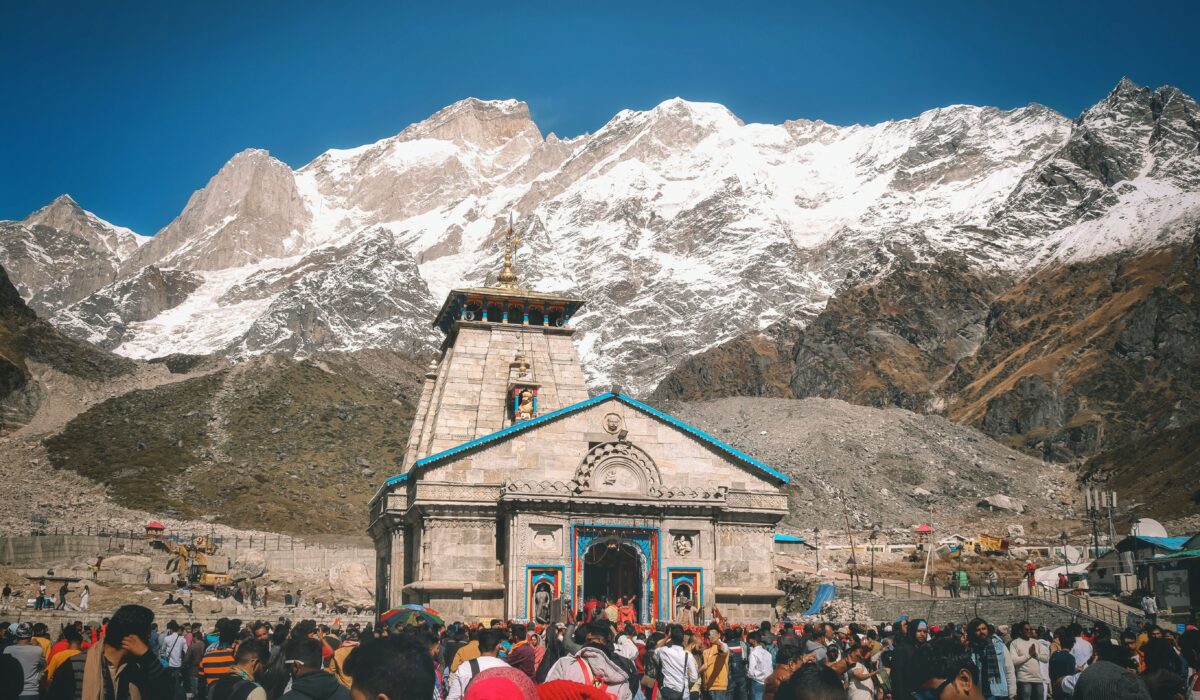
Planning your Kedarnath Yatra in advance is crucial for a smooth and enriching pilgrimage, minimizing unforeseen challenges and maximizing your spiritual focus. More than 1.24 lakh pilgrims visited Kedarnath Dham within just four days of the shrine opening in 2026, according to district administration officials (2026), highlighting the immense popularity and potential for crowds.
A well-organized trip ensures you can focus on the sanctity of the journey rather than logistical concerns. Over 5.23 lakh pilgrims visited the Kedarnath shrine within just 22 days of the gates opening in 2026, as reported by Dainik Jagran (2026), underscoring the need for meticulous preparation. When you **Plan Kedarnath Yatra Hassle-Free**, you invest in peace of mind.
The sheer volume of devotees means that accommodation, transport, and trek facilities can become strained, making pre-booking and strategic planning non-negotiable. This foresight allows you to enjoy the breathtaking Himalayan vistas and the profound spiritual atmosphere without the stress of last-minute arrangements. Our goal is to help you **Plan Kedarnath Yatra Hassle-Free**.
What is the Best Time to Visit Kedarnath?
The best time to visit Kedarnath for an optimal and hassle-free experience is generally during the months of May-June and September-October. These periods offer the most favorable weather conditions for trekking and temple darshan, according to Uttarakhand Tourism Development Board (2025). What most people miss is that avoiding the monsoon season significantly reduces trek difficulty and travel delays.
The continuous ascent, high altitude, and unpredictable weather can make the journey physically demanding, making good weather critical. “The most preferable time to do your Kedarnath Yatra is between May and June,” experts confirm, due to pleasant temperatures and clear skies. To **Plan Kedarnath Yatra Hassle-Free**, selecting the right window is paramount.
Here’s a breakdown of the visiting seasons:
- May to June: These months offer relatively warm days (15-25°C) and cool nights, with minimal rainfall. The snow has usually melted, making the trekking paths clear. This is often considered the peak season, so expect larger crowds.
- July to August (Monsoon): Heavy rainfall makes the trek extremely challenging and prone to landslides. Travel advisories often recommend avoiding these months due to safety concerns.
- September to October: Post-monsoon, the weather becomes crisp and clear, with vibrant green landscapes. Temperatures range from 10-20°C during the day, dropping significantly at night. Crowds are typically thinner than in early summer, making it an excellent time to **Plan Kedarnath Yatra Hassle-Free**.
From experience, the shoulder seasons of late May and late September often strike the perfect balance between good weather and manageable crowd sizes. This considered approach is key to successfully **Plan Kedarnath Yatra Hassle-Free**.
How to Prepare Physically and Medically for Your Kedarnath Trip?
To ensure a safe and enjoyable pilgrimage, thorough physical and medical preparation for your Kedarnath trip is absolutely essential, as the high altitude and demanding trek can pose significant challenges. The Kedarnath trek difficulty is generally categorized as moderate, but the continuous ascent and reduced oxygen levels require specific conditioning, according to Trekhievers (2025).
For elderly pilgrims or those with limited physical fitness, the trek may feel moderate to challenging, especially in the final stretch where oxygen levels drop and fatigue sets in. This highlights the importance of pre-Yatra fitness, a key component to **Plan Kedarnath Yatra Hassle-Free**.
Step 1: Assess Medical Fitness
Before embarking on your journey, consult your doctor for a comprehensive medical check-up. This step is non-negotiable, especially if you have pre-existing conditions like heart disease, high blood pressure, or respiratory issues. A medical certificate declaring you fit for high-altitude trekking is often required for registration, particularly if you opt for the Char Dham Yatra.
Step 2: Build Physical Stamina
Start a fitness regimen at least 1-2 months before your trip, focusing on cardiovascular endurance and leg strength. Regular brisk walking, jogging, stair climbing, and light cardio exercises will significantly improve your ability to handle the Kedarnath trek difficulty. Aim for at least 30-45 minutes of moderate exercise daily to truly **Plan Kedarnath Yatra Hassle-Free**.
What most people miss is the importance of acclimatization; spending a day or two in Rishikesh or Guptkashi before heading to Gaurikund can help your body adjust to the altitude. This simple step can prevent altitude sickness and make your journey far more comfortable.
What Documents and Registration are Required for Kedarnath Yatra?
For your Kedarnath Yatra, mandatory registration is required for all pilgrims, along with essential identification documents, to ensure safety and track visitor numbers. The Uttarakhand Tourism Development Board mandates this registration, which can often be completed online via their official portal or through designated counters at various points along the route (2026).
This system helps manage pilgrim flow and facilitates emergency services, making it a critical step to **Plan Kedarnath Yatra Hassle-Free**. Without proper registration, you might face delays or even be denied entry to certain areas.
Here’s a checklist of what you’ll need:
- Aadhaar Card: Your primary identification document is essential for registration.
- Voter ID or Passport: Acceptable alternatives if Aadhaar is unavailable.
- Medical Certificate: Recommended, and sometimes mandatory, especially for senior citizens or those with health concerns, certifying your fitness for the high-altitude trek.
- Yatra Registration Pass: The most crucial document, obtained after successful registration. This pass is scanned at various checkpoints.
- Two Passport-Sized Photographs: Handy for any on-the-spot registrations or permits.
Quick tip: Complete your registration well in advance, especially if you’re traveling during peak season. Early registration is key to efficiently **Plan Kedarnath Yatra Hassle-Free** and avoid long queues at physical registration counters.
Customizing Your Kedarnath Yatra Itinerary: Options for Every Pilgrim
Customizing your Kedarnath Yatra itinerary is vital to match your physical capabilities, time constraints, and preferences, whether you’re seeking a serene trek or a swift helicopter journey. The Kedarnath trek distance is approximately 16 kilometers one way from Gaurikund, taking 6-8 hours for most pilgrims, according to Nagarjuna Travels (2025), but this can be adjusted.
Flexibility in planning allows everyone, from seasoned trekkers to senior citizens, to experience the divine journey comfortably. This personalized approach is fundamental when you **Plan Kedarnath Yatra Hassle-Free**.
Trek-Based Itinerary (2-3 Days)
This classic option involves trekking from Gaurikund to Kedarnath.
- Day 1: Arrive at Guptkashi/Sitapur/Sonprayag, check into accommodation, and complete registration formalities. Rest and acclimatize.
- Day 2: Early morning start from Gaurikund, trek to Kedarnath (16 km). Allow for ample rest stops. Upon arrival, check into a GMVN Nandi Complex or private dharamshala like Punjab Sindh Awas, then proceed for Darshan.
- Day 3: Morning Darshan (if not completed), then begin the downhill trek back to Gaurikund. Depart for your next destination.
Helicopter-Based Itinerary (1-2 Days)
Ideal for those with time constraints, senior citizens, or limited physical fitness.
- Day 1: Travel to Phata, Sitapur, or Guptkashi helipad. Take a pre-booked helicopter service (e.g., Syandan Aviation, Himalayan Heli) to Kedarnath. Darshan, then return by helicopter or opt for an overnight stay if available.
- Day 2 (Optional): If staying overnight, morning Darshan and explore nearby areas before returning by helicopter.
Kinghills Travels and Thomas Cook offer various Kedarnath tour packages, including group and private options, which can be tailored to incorporate helicopter services or specific trek paces. This kind of curated service helps you **Plan Kedarnath Yatra Hassle-Free**.
Accommodation and Travel: Booking Your Kedarnath Yatra Package
Booking your accommodation and travel well in advance is paramount for a smooth Kedarnath Yatra, especially given the high demand during peak seasons. Options range from government-run guest houses to private dharamshalas, and securing them early prevents last-minute stress, which is essential to **Plan Kedarnath Yatra Hassle-Free**.
Kedarnath helicopter booking for 2026 is expected to range from ₹8,800 to ₹12,500 for shuttle services, according to IRCTC Heliyatra (2026), and these slots sell out rapidly.
Accommodation Options
- Garhwal Mandal Vikas Nigam (GMVN) Guest Houses: GMVN offers reliable and popular stay options, including the Nandi Complex (pre-fabricated huts) and Swarga Rohini Camp (dormitories) in Kedarnath. These are often booked months in advance.
- Private Dharamshalas: Examples like Bikaner House, Punjab Sindh Awas, and Bharatpur House near Kedarnath Temple offer basic sharing rooms with attached washrooms. These are ideal for pilgrims seeking a simple, community-oriented stay.
- Hotels/Guesthouses in Base Camps: Towns like Guptkashi, Sitapur, and Sonprayag offer a wider range of hotels, from budget-friendly to more comfortable options. Many pilgrims prefer to stay here and start their trek early.
Travel and Transport
| Mode of Transport | Details | Booking Source |
|---|---|---|
| Road Travel | Buses and shared jeeps connect major towns to Gaurikund. Private taxis offer more comfort. | Local operators, online aggregators |
| Helicopter Service | Direct flights from Phata, Sitapur, or Guptkashi to Kedarnath helipad. Saves significant trek time. | IRCTC Heliyatra, Syandan Aviation, FlyDheera, United Helicharters, Rajas Aerosports, Thumby Aviation, Arrow Aircraft, Himalayan Heli |
| Ponies/Palkis/Pithhus | Available from Gaurikund for those unable to trek. | On-spot booking at Gaurikund (government fixed rates) |
When you **Plan Kedarnath Yatra Hassle-Free**, consider a comprehensive package from reputable tour operators like Thomas Cook or Trekhievers, which often include accommodation, transport, and even helicopter services, simplifying your logistics.
Ensuring Safety and Handling Emergencies on the Kedarnath Trek
Ensuring your safety and understanding emergency protocols are critical components for any pilgrim to **Plan Kedarnath Yatra Hassle-Free**, especially given the challenging terrain and unpredictable Himalayan weather. The SDC Foundation emphasizes the importance of preparedness for high-altitude environments (2023).
What most people miss is that a proactive approach to safety can prevent many common issues, from altitude sickness to minor injuries. A well-prepared pilgrim is a safe pilgrim.
Step 1: Carry Essential Safety Gear
Always pack a small first-aid kit with essentials like pain relievers, bandages, antiseptic wipes, and medication for altitude sickness. Carry a power bank for your phone, a headlamp, and sufficient water and energy snacks. Layered warm clothing is non-negotiable, as temperatures can drop suddenly.
Step 2: Stay Informed and Follow Guidelines
Always follow instructions from local authorities, including the district administration and temple committee. Pay attention to weather forecasts and trek advisories. On May 13, 2026, over 32,000 pilgrims visited Kedarnath alone, contributing to a total of over 80,000 across all Char Dhams on that peak day, illustrating the importance of crowd management and adherence to rules (2026).
Step 3: Emergency Contacts and Services
Keep a list of emergency contact numbers readily accessible, including local police, medical services, and your tour operator. The local administration has rescue teams stationed at various points along the Gaurikund to Kedarnath trek, ready to assist pilgrims in distress. In practice, knowing these contacts can be a lifesaver. When you **Plan Kedarnath Yatra Hassle-Free**, safety is your top priority.
Responsible Tourism: Protecting the Sacred Kedarnath Environment
Practicing responsible tourism is imperative when visiting Kedarnath to preserve its pristine Himalayan ecosystem and maintain the sanctity of this revered pilgrimage site. The fragile environment, still recovering from past natural calamities, requires conscious effort from every pilgrim to minimize their ecological footprint, which is part of how we **Plan Kedarnath Yatra Hassle-Free**.
The entire Kedarnath route from Sonprayag onwards is strictly vegetarian, with meat and eggs prohibited in the sacred Dham area, a rule upheld by GMVN canteens and private food stalls, highlighting the area’s spiritual sanctity.
Here’s how you can contribute:
- Leave No Trace: Carry all your waste back with you. Avoid littering plastics, wrappers, or any non-biodegradable items along the trek or near the temple.
- Respect Local Culture: Dress modestly, especially within the temple premises. Respect the local customs and traditions of the Garhwali people.
- Conserve Resources: Be mindful of water and electricity usage in your accommodation. Support local businesses by purchasing authentic Garhwali cuisine like Aloo ke Gutke or Chainsoo.
- Stay on Marked Paths: Deviating from designated trekking paths can damage local flora and fauna, and also pose safety risks.
From experience, fostering a sense of reverence for both the spiritual and natural aspects of Kedarnath elevates the entire pilgrimage. By adopting these practices, you not only enrich your own journey but also help protect this sacred land for future generations, ensuring others can also **Plan Kedarnath Yatra Hassle-Free**.
Frequently Asked Questions
What is the best way to plan Kedarnath Yatra?
The best way to plan Kedarnath Yatra is by prioritizing early online registration, assessing your medical fitness, choosing the optimal travel season (May-June or Sept-Oct), and pre-booking all accommodation and transport. This proactive approach ensures a smoother and more enjoyable pilgrimage experience. Kedarnath consistently accounts for approximately 35% of the total annual pilgrims across the Char Dhams (2023 baseline), making early planning essential.
How can I make my Kedarnath trip hassle-free?
To make your Kedarnath trip hassle-free, focus on comprehensive preparation: secure your Yatra registration well in advance, undergo a medical check-up, pack appropriate layered clothing and waterproof gear, and book helicopter services or accommodation through reliable providers like IRCTC Heliyatra or GMVN. Having a detailed itinerary and backup plans significantly reduces potential stress.
What is the best month to visit Kedarnath?
The best months to visit Kedarnath are May, June, September, and October, as these periods offer the most favorable weather conditions for trekking and temple visits. The monsoon season (July-August) should be avoided due to heavy rainfall and increased risk of landslides. “The most preferable time to do your Kedarnath Yatra is between May and June,” experts advise, for pleasant temperatures and clear skies.
What documents are required for Kedarnath Yatra?
For Kedarnath Yatra, you primarily need your Aadhaar Card (or other valid photo ID like Voter ID/Passport) and the mandatory Yatra Registration Pass, which can be obtained online or at designated counters. A medical certificate is strongly recommended, and sometimes required, especially for senior citizens or specific tour packages. Always carry two passport-sized photographs.
How difficult is the Kedarnath trek?
The Kedarnath trek difficulty is generally categorized as moderate, spanning approximately 16 kilometers from Gaurikund with a continuous ascent. For most pilgrims, it takes 6-8 hours one way, according to Nagarjuna Travels (2025). Factors like high altitude, unpredictable weather, and individual fitness levels can make it feel more challenging, especially for beginners or senior citizens.
Ultimately, to **Plan Kedarnath Yatra Hassle-Free**, it boils down to meticulous preparation, informed decision-making, and a spirit of responsible pilgrimage. By following these expert steps, from medical readiness to booking strategically with entities like GMVN or IRCTC Heliyatra, you’re not just planning a trip; you’re curating a profound spiritual experience. Ready to embark on your divine journey? Reach out to Perfect Planners today to craft your personalized Kedarnath Yatra package and make your pilgrimage truly unforgettable.
Leave a Reply
You must be logged in to post a comment.