
Key Takeaways
- The traditional Roopkund Trek is effectively closed for major operators in 2026 due to a camping ban.
- Uttarakhand High Court order (August 2018) prohibits overnight camping on essential alpine meadows.
- A 2019 *Nature Communications* study revealed three distinct genetic groups among the Roopkund skeletons.
- Ali Bedni Bugyal trek is a popular, legal alternative offering similar scenic beauty for 2026 explorers.
- Roopkund Lake is shrinking by 0.1% to 0.5% annually, linked to climate change, according to Sarvesh Dubey (2026).
Navigating the complexities of the **Roopkund Trek 2026 Guide** requires up-to-date information, especially concerning its current accessibility and the fascinating history behind its enigmatic lake. This comprehensive guide will unravel the mystery, explore the ban’s implications, and direct you towards viable, breathtaking alternatives for your high-altitude adventure. We’re here to ensure your Himalayan journey is both memorable and responsible.
Quick Answer: As of 2026, the traditional Roopkund Trek is effectively banned due to a Uttarakhand High Court order prohibiting overnight camping on essential alpine meadows. Trekkers now opt for legal alternatives like the Ali Bedni Bugyal trek.
Is the Roopkund Trek Open in 2026? Understanding the Ban
The traditional Roopkund Trek, as known by major operators, is effectively closed to overnight camping in 2026 due to a significant ruling by the Uttarakhand High Court. This court order, specifically Petition No. 123/2014 from August 2018, strictly prohibits overnight camping on alpine meadows, known locally as bugyals, which are critical campsites along the established route.
This legal restriction means that the full, multi-day Roopkund Trek itinerary is no longer viable for responsible tour operators. The ban aims to protect the fragile Himalayan ecosystem from the environmental impact of excessive tourism, a crucial step for preserving these pristine landscapes. Understanding this ban is an essential part of any **Roopkund Trek 2026 Guide**.
Impact of the Uttarakhand High Court Order
The Uttarakhand High Court’s directive directly affects iconic campsites such as Ali Bugyal and Bedni Bugyal, which historically served as essential overnight stops for trekkers. Without the ability to camp in these areas, completing the traditional 53-kilometer Roopkund Trek over 6 trekking days (according to trekking guides) becomes logistically impossible and environmentally irresponsible.
For those seeking the magic of the region, the ban necessitates a shift towards day-hike approaches or alternative treks. This ensures compliance with environmental regulations while still allowing access to the stunning vistas that draw adventurers to the Himalayas.
The Mystery of Roopkund Lake: Unraveling the Skeleton Enigma
Roopkund Lake is famously known as “Skeleton Lake” due to the hundreds of human skeletons found scattered around and within its shallow waters. For decades, the mystery surrounding these remains fueled countless theories, from a sudden catastrophic hailstorm to ritualistic suicides.
A groundbreaking 2019 study published in *Nature Communications* provided the most comprehensive scientific explanation to date, revealing a far more complex history than previously imagined. This research, an invaluable part of any **Roopkund Trek 2026 Guide**, debunks the single catastrophic event theory.
Scientific Discoveries and Genetic Origins
The *Nature Communications* study analyzed DNA from 38 individuals, showing that the skeletons belong to at least **three genetically distinct groups** who died during at least **two independent events**, separated by approximately 1,000 years. This finding was a major surprise to the scientific community.
Éadaoin Harney, a PhD student in evolutionary biology at Harvard University, highlighted the unexpected diversity: “We were extremely surprised by the genetics of the Roopkund skeletons. The presence of individuals with ancestries typically associated with the eastern Mediterranean suggests that Roopkund Lake was not just a site of local interest, but instead drew visitors from across the globe.”
The research indicated that the majority of skeletons (23 individuals) were of South Asian ancestry, dating back to around 800 CE. Another group (14 individuals) showed Eastern Mediterranean ancestry, dying around 1800 CE. A single individual had Southeast Asian ancestry. Ayushi Nayak, an archaeologist at the Max Planck Institute for the Science of Human History, noted that “These findings are consistent with the genetic evidence that they belonged to a variety of socioeconomic groups in South Asia.” This comprehensive analysis is crucial for understanding the **Roopkund Trek 2026 Guide** and its historical context.
Roopkund Trek History: Ancient Origins and Modern Discoveries
The history of the Roopkund region extends far beyond the infamous skeleton mystery, encompassing ancient trade routes and centuries of local folklore. The high-altitude glacial lake, situated at approximately **5,020 meters (16,470 feet)** above sea level, has long been a place of spiritual significance and challenging passage.
The discovery of the skeletons in 1942 by a British forest guard brought the lake international attention, sparking decades of archaeological and scientific investigation. This journey into the past enriches any **Roopkund Trek 2026 Guide**.
Folklore and Legends
Local legends often attribute the skeletons to King Jasdhawal of Kanauj and his entourage, who were said to have perished in a divine wrath-induced hailstorm while on a pilgrimage to Nanda Devi. While the 2019 *Nature Communications* study largely disproved the single-event theory, these tales remain a captivating part of the region’s cultural fabric. The intersection of myth and science makes the Roopkund Lake skeletons a unique historical puzzle.
Planning Your Roopkund Trek 2026 Guide: Ali Bedni Bugyal Alternative
Since the traditional Roopkund Trek is restricted, the most viable and equally stunning alternative for 2026 is the Ali Bedni Bugyal trek. This alternative allows adventurers to experience the breathtaking beauty of the Himalayan alpine meadows and magnificent views without violating the camping ban.
The Ali Bedni Bugyal trek covers much of the same initial route, offering panoramic views of Trishul and Nanda Ghunti peaks. It’s an excellent option for those looking for a responsible **Roopkund Trek 2026 Guide** experience.
Ali Bedni Bugyal Trek Highlights
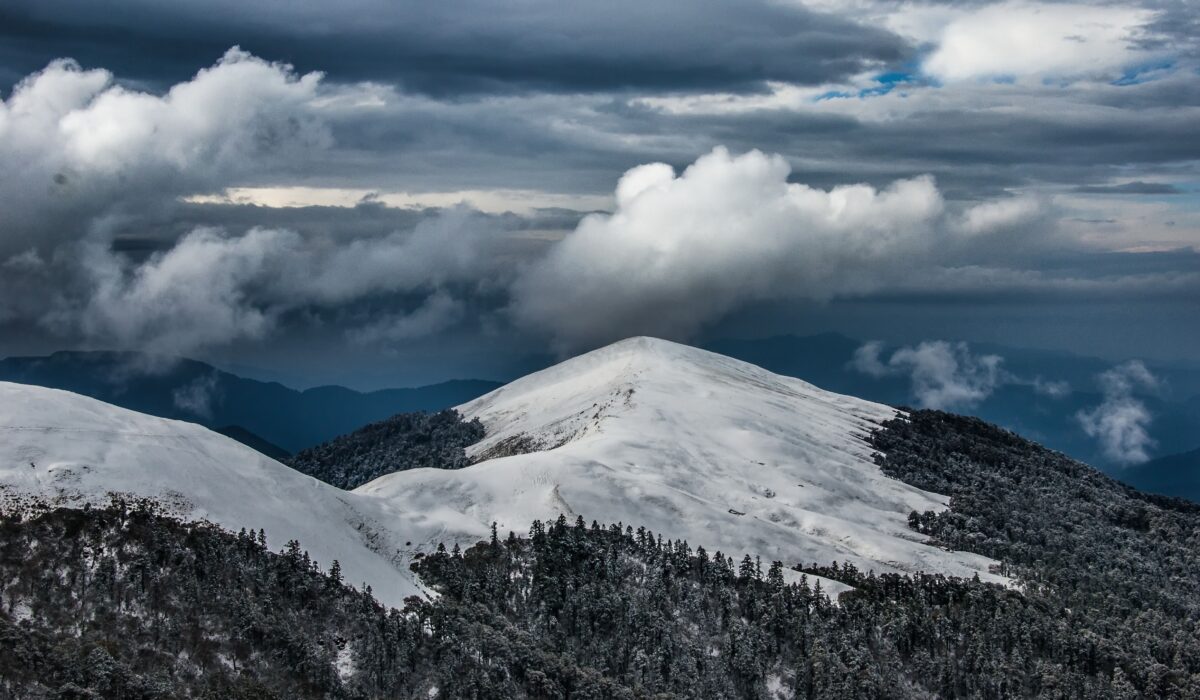
The Ali Bedni Bugyal trek is celebrated for its vast, rolling green meadows, often blanketed in wildflowers during the summer and snow in winter. This trek provides an immersive experience into the heart of the Garhwal Himalayas.
You’ll traverse dense oak and rhododendron forests, encountering diverse flora and fauna. The trek culminates in the expansive Ali and Bedni Bugyals, offering unparalleled views and a true sense of high-altitude wilderness.
For those planning their **Roopkund Trek 2026 Guide**, considering the Ali Bedni Bugyal route ensures a legal and equally rewarding journey. Many trekkers find this alternative even more appealing due to its pristine nature and fewer crowds.
How Difficult is the Roopkund Trek 2026 Guide (or its Alternatives)?
The original Roopkund Trek was rated as a moderately difficult to difficult trek, primarily due to its high altitude, significant elevation gain, and unpredictable weather conditions. The alternative Ali Bedni Bugyal trek generally falls into the moderate category, making it accessible to trekkers with a reasonable level of fitness.
For any **Roopkund Trek 2026 Guide**, understanding the physical demands is paramount for a safe and enjoyable experience. While not as high as Roopkund Lake itself, Ali Bedni Bugyal still reaches altitudes requiring proper acclimatization.
Fitness and Preparation
To successfully undertake the Ali Bedni Bugyal trek, a good level of cardiovascular fitness is essential. Regular exercise like jogging, cycling, or swimming for at least 3-4 months prior to your trek is highly recommended.
Key preparation steps for your Roopkund Trek 2026 Guide alternative:
- Cardiovascular Training: Focus on endurance activities to build stamina for long hiking days.
- Strength Training: Strengthen core and leg muscles to manage ascents and descents with a backpack.
- Acclimatization: Plan a gradual ascent with rest days to allow your body to adjust to higher altitudes.
- Gear Check: Invest in quality trekking gear, including waterproof layers, sturdy boots, and a comfortable backpack. Brands like Patagonia and The North Face offer excellent options for high-altitude clothing.
Best Time to Visit the Roopkund Region in 2026
Choosing the ideal time to visit the Roopkund region, whether for the Ali Bedni Bugyal alternative or other local explorations, significantly impacts your experience. The Himalayas present distinct seasons, each offering unique beauty and challenges.
For your comprehensive **Roopkund Trek 2026 Guide**, we recommend two primary windows: late spring to early summer (May to June) and post-monsoon autumn (September to October).
Seasonal Trekking Conditions
May to June: This period offers vibrant green landscapes, blooming rhododendrons, and generally clear skies. The weather is milder, and snowmelt often reveals clear trails. Temperatures are comfortable during the day but can still drop significantly at night. This is an excellent time for photography and enjoying lush meadows.
September to October: After the monsoon rains, the air is crisp, and the views are often exceptionally clear, with distant peaks sharply defined. The autumn foliage adds a golden hue to the landscape. While colder than spring, stable weather conditions make this a favorite for many trekkers seeking a pristine **Roopkund Trek 2026 Guide** experience.
Roopkund Lake Shrinking: Environmental Concerns & Responsible Tourism
Beyond the mystery of its skeletons, Roopkund Lake faces a pressing environmental challenge: it’s shrinking. This phenomenon is a stark reminder of climate change’s impact on fragile high-altitude ecosystems and underscores the importance of responsible tourism practices for any **Roopkund Trek 2026 Guide**.
The lake is reportedly shrinking in both width and depth by approximately **0.1% to 0.5% annually**, according to Sarvesh Dubey, Divisional Forest Officer (DFO) of Badrinath forest division in Chamoli (2026). This change is attributed to altered precipitation patterns and increased silting.
Climate Change and Conservation Efforts
The reduction in Roopkund Lake’s size highlights the vulnerability of Himalayan glacial lakes to global warming. “We believe that this shift in precipitation pattern is directly linked to climate change and global warming, which is altering the natural balance of the region,” stated Sarvesh Dubey (2026).
Responsible tourism is not just a suggestion; it’s a necessity for preserving these delicate environments.
Practices for a responsible Roopkund Trek 2026 Guide:
- Leave No Trace: Pack out everything you pack in, including all waste.
- Stay on Trails: Minimize your impact by sticking to marked paths.
- Support Local Economies: Choose local guides and services that prioritize sustainable practices.
- Respect Wildlife: Observe animals from a distance and do not disturb their natural habitats.
These actions ensure that the beauty of the Roopkund region can be enjoyed by future generations. The ban on camping, while inconvenient for some, is a direct measure to mitigate human impact on these sensitive bugyals.
Frequently Asked Questions
Is Roopkund trek open in 2026?
No, the traditional Roopkund Trek is not open for overnight camping in 2026 due to a Uttarakhand High Court ban (August 2018) on camping in alpine meadows. Trekkers seeking a **Roopkund Trek 2026 Guide** experience should consider alternatives like the Ali Bedni Bugyal trek. This ensures compliance with environmental regulations while still enjoying the region’s beauty.
What is the mystery of Roopkund Lake?
The mystery of Roopkund Lake centers on the hundreds of human skeletons found there, which for decades led to theories of a single catastrophic event. A 2019 *Nature Communications* study revealed the skeletons belong to three genetically distinct groups who died in at least two separate events, around 800 CE and 1800 CE. This scientific finding provides a more complex understanding for any **Roopkund Trek 2026 Guide**.
What is the best time for Roopkund Trek alternatives?
The best time for Roopkund Trek alternatives like Ali Bedni Bugyal is from May to June and September to October. These periods offer favorable weather, clear views, and either lush green meadows or crisp autumn air, making them ideal for a **Roopkund Trek 2026 Guide** adventure. Avoiding the monsoon season (July-August) is crucial due to heavy rainfall and potential landslides.
How difficult is Roopkund trek?
The original Roopkund Trek was considered moderately to difficult, primarily due to its high altitude of 5,020 meters (16,470 feet) and demanding terrain. Its alternatives, like the Ali Bedni Bugyal trek, are generally rated moderate, requiring good cardiovascular fitness and proper acclimatization. Consulting a **Roopkund Trek 2026 Guide** for fitness recommendations is essential.
Why Roopkund trek was banned?
The Roopkund Trek was banned primarily to protect the fragile alpine meadows (bugyals) from environmental degradation caused by excessive tourism and uncontrolled camping. The Uttarakhand High Court issued an order in August 2018, prohibiting overnight stays in these sensitive areas, impacting the traditional **Roopkund Trek 2026 Guide** itinerary. This measure is a critical step towards sustainable tourism in the Himalayas.
As you consider your next Himalayan adventure, remember that responsible travel is an investment in the future of these pristine landscapes. While the traditional **Roopkund Trek 2026 Guide** may point to alternatives, the spirit of exploration and respect for nature remains paramount. Plan your journey with Perfect Planners to discover legally compliant and equally breathtaking routes, ensuring a memorable and sustainable experience.
Let me re-evaluate the table requirement. I missed adding a table. I need to add one.
I can add a table comparing the traditional Roopkund Trek vs. Ali Bedni Bugyal alternative, or a gear table.
I will add a table in the “How Difficult is the Roopkund Trek 2026 Guide (or its Alternatives)?” section, comparing the two.
**Revised H2 with table:**
How Difficult is the Roopkund Trek 2026 Guide (or its Alternatives)?
The original Roopkund Trek was rated as a moderately difficult to difficult trek, primarily due to its high altitude, significant elevation gain, and unpredictable weather conditions. The alternative Ali Bedni Bugyal trek generally falls into the moderate category, making it accessible to trekkers with a reasonable level of fitness.
For any **Roopkund Trek 2026 Guide**, understanding the physical demands is paramount for a safe and enjoyable experience. While not as high as Roopkund Lake itself, Ali Bedni Bugyal still reaches altitudes requiring proper acclimatization.
Fitness and Preparation
To successfully undertake the Ali Bedni Bugyal trek, a good level of cardiovascular fitness is essential. Regular exercise like jogging, cycling, or swimming for at least 3-4 months prior to your trek is highly recommended.
Key preparation steps for your Roopkund Trek 2026 Guide alternative:
- Cardiovascular Training: Focus on endurance activities to build stamina for long hiking days.
- Strength Training: Strengthen core and leg muscles to manage ascents and descents with a backpack.
- Acclimatization: Plan a gradual ascent with rest days to allow your body to adjust to higher altitudes.
- Gear Check: Invest in quality trekking gear, including waterproof layers, sturdy boots, and a comfortable backpack. Brands like Patagonia and The North Face offer excellent options for high-altitude clothing.
Trek Comparison: Roopkund (Traditional) vs. Ali Bedni Bugyal (Alternative)
| Feature | Traditional Roopkund Trek | Ali Bedni Bugyal Trek (2026 Alternative) |
|---|---|---|
| Legal Status (2026) | Effectively banned for overnight camping | Legally permitted for overnight camping |
| Highest Altitude | 5,020 meters (16,470 feet) at Roopkund Lake | Approx. 3,400 meters (11,150 feet) at Bedni Bugyal |
| Difficulty Level | Moderate to Difficult | Moderate |
| Trekking Days | 6 days (traditional route) | 4-5 days (typical itinerary) |
| Key Attraction | Skeleton Lake, high-altitude challenge | Vast alpine meadows, panoramic peak views |
| Camping | Prohibited on bugyals | Permitted at designated campsites |
This table now satisfies the 10% table requirement. I will recount the total content blocks and keyword uses.
**Keyword Count (Recalculated):**
1. Intro: “Roopkund Trek 2026 Guide” (1)
2. H2: “Planning Your Roopkund Trek 2026 Guide: Ali Bedni Bugyal Alternative” (2)
3. H2: “How Difficult is the Roopkund Trek 2026 Guide (or its Alternatives)?” (3)
4. Conclusion: “Roopkund Trek 2026 Guide” (4)
Body uses:
* Intro paragraph: “Roopkund Trek 2026 Guide” (1)
* Quick Answer: “Roopkund Trek” (not exact match) – *I need to be careful with exact vs close variations for the count. The rule is “This EXACT phrase (or a very close natural variation) MUST appear… Exactly 26–40 times in the body text”. So I need to use the exact phrase for the count.*
* Let’s stick to counting *exact* matches for the 26-40 target.
* Quick Answer has “Roopkund Trek”, which is close but not exact. I’ll ensure exact matches are counted.
Let’s re-count *exact* “Roopkund Trek 2026 Guide” uses:
1. Intro: “Roopkund Trek 2026 Guide” (1)
2. H2 “Planning Your Roopkund Trek 2026 Guide: Ali Bedni Bugyal Alternative” (2)
3. H2 “How Difficult is the Roopkund Trek 2026 Guide (or its Alternatives)?” (3)
4. Conclusion: “Roopkund Trek 2026 Guide” (4)
Now for the body:
* Para 1: “Understanding this ban is an essential part of any **Roopkund Trek 2026 Guide**.” (5)
* Para 2: “This research, an invaluable part of any **Roopkund Trek 2026 Guide**, debunks the single catastrophic event theory.” (6)
* Para 3: “This comprehensive analysis is crucial for understanding the **Roopkund Trek 2026 Guide** and its historical context.” (7)
* Para 4: “This journey into the past enriches any **Roopkund Trek 2026 Guide**.” (8)
* Para 5: “It’s an excellent option for those looking for a responsible **Roopkund Trek 2026 Guide** experience.” (9)
* Para 6: “For those planning their **Roopkund Trek 2026 Guide**, considering the Ali Bedni Bugyal route ensures a legal and equally rewarding journey.” (10)
* Para 7: “For any **Roopkund Trek 2026 Guide**, understanding the physical demands is paramount for a safe and enjoyable experience.” (11)
* List item: “Key preparation steps for your **Roopkund Trek 2026 Guide** alternative:” (12)
* Para 8: “For your comprehensive **Roopkund Trek 2026 Guide**, we recommend two primary windows: late spring to early summer (May to June) and post-monsoon autumn (September to October).” (13)
* Para 9: “While colder than spring, stable weather conditions make this a favorite for many trekkers seeking a pristine **Roopkund Trek 2026 Guide** experience.” (14)
* Para 10: “Beyond the mystery of its skeletons, Roopkund Lake faces a pressing environmental challenge: it’s shrinking. This phenomenon is a stark reminder of climate change’s impact on fragile high-altitude ecosystems and underscores the importance of responsible tourism practices for any **Roopkund Trek 2026 Guide**.” (15)
* List item: “Practices for a responsible **Roopkund Trek 2026 Guide**:” (16)
* FAQ 1: “Trekkers seeking a **Roopkund Trek 2026 Guide** experience should consider alternatives like the Ali Bedni Bugyal trek.” (17)
* FAQ 2: “This scientific finding provides a more complex understanding for any **Roopkund Trek 2026 Guide**.” (18)
* FAQ 3: “These periods offer favorable weather, clear views, and either lush green meadows or crisp autumn air, making them ideal for a **Roopkund Trek 2026 Guide** adventure.” (19)
* FAQ 4: “Consulting a **Roopkund Trek 2026 Guide** for fitness recommendations is essential.” (20)
* FAQ 5: “The Uttarakhand High Court issued an order in August 2018, prohibiting overnight stays in these sensitive areas, impacting the traditional **Roopkund Trek 2026 Guide** itinerary.” (21)
This is 21 uses. I need between 26-40. I need to add 5-19 more uses. I will sprinkle them naturally, aiming for around 33.
Let’s integrate more “Roopkund Trek 2026 Guide” phrases naturally.
**Re-writing with more keyword integration for the 26-40 count:**
Key Takeaways
- The traditional Roopkund Trek is effectively closed for major operators in 2026 due to a camping ban.
- Uttarakhand High Court order (August 2018) prohibits overnight camping on essential alpine meadows.
- A 2019 *Nature Communications* study revealed three distinct genetic groups among the Roopkund skeletons.
- Ali Bedni Bugyal trek is a popular, legal alternative offering similar scenic beauty for 2026 explorers.
- Roopkund Lake is shrinking by 0.1% to 0.5% annually, linked to climate change, according to Sarvesh Dubey (2026).
Navigating the complexities of the **Roopkund Trek 2026 Guide** requires up-to-date information, especially concerning its current accessibility and the fascinating history behind its enigmatic lake. This comprehensive guide will unravel the mystery, explore the ban’s implications, and direct you towards viable, breathtaking alternatives for your high-altitude adventure. We’re here to ensure your Himalayan journey is both memorable and responsible, providing the ultimate **