

Key Takeaways
- 92% of parents plan to travel with their children in 2026, indicating high family travel intent, according to the 2025 U.S. Family Travel Survey.
- 70% of families prioritize destinations that make their children happiest, a key factor in 2026 travel planning, as reported by Attraction Tickets.
- Involving children in trip planning positively impacts their happiness and engagement by 61%, notes Anna Abelson (2025).
- Essential gear like waterproof shoes and hydration packs significantly enhances safety and comfort for kids on treks.
- Teaching children to “Hug a tree and stay there” is a crucial emergency protocol if they get lost on a trail, advises Mike Loney.
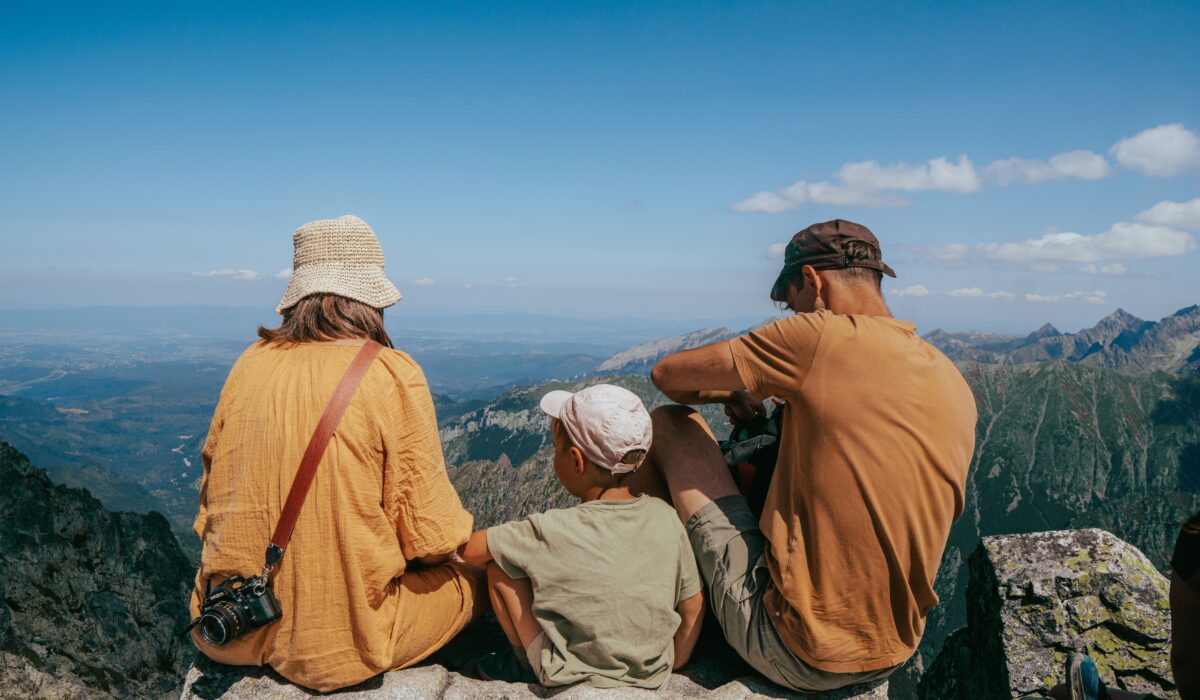
Embarking on a family adventure requires thoughtful preparation, and these **trekking with kids tips** will ensure your outdoor excursions are both safe and incredibly memorable. We understand the unique challenges and immense rewards of exploring trails with children, and this guide provides the essential strategies you need to foster a lifelong love for nature in your young adventurers.
Quick Answer: Trekking with kids needs thoughtful planning. Choose age-appropriate trails, pack essential gear, and plan engaging activities. Prioritize safety with a first-aid kit and teach emergency protocols. Involve children in planning to create lasting family memories.
Why Trekking with Kids is an Unforgettable Adventure (and Why it Matters)
Trekking with kids is an unforgettable adventure because it builds strong family bonds and instills a deep appreciation for the natural world. Shared challenges on the trail naturally develop teamwork, communication, trust, and understanding, according to Wanderin Man. These experiences go beyond mere recreation, becoming foundational memories.
Spending just 5 minutes walking in nature can significantly improve mood, self-esteem, and relaxation for both children and adults, as highlighted by the National Park Service. This immediate positive impact underscores the inherent value of outdoor activities for kids. The benefits of outdoor activities for kids are profound, fostering physical health, mental resilience, and a sense of wonder that screen time simply cannot replicate.
Outdoor adventures cultivate resilience.
When children navigate uneven terrain or overcome a small incline, they develop problem-solving skills and self-confidence.
The demand for family travel continues to grow, with 92% of parents planning to travel with their children in 2026, the highest intention level since before COVID-19, according to the 2025 U.S. Family Travel Survey. This trend highlights a widespread desire for meaningful family experiences, and trekking perfectly fits that aspiration. These **trekking with kids tips** aim to make those experiences even richer.
Trekking with Kids: Age-Specific Strategies for Every Stage
Successful trekking with kids involves tailoring your approach to their developmental stage, ensuring the experience is engaging and manageable for everyone. While many broadly suggest “start small,” a more nuanced strategy truly makes a difference. These specialized **trekking with kids tips** are crucial for every family.
Consider the child’s physical and emotional readiness.
A trek that’s perfect for a pre-teen might be overwhelming for a toddler.
Hiking with Toddlers and Preschoolers (Ages 0-5)
For toddlers and preschoolers, focus on short, relatively flat trails where they can explore at their own pace, prioritizing discovery over distance. The American Hiking Society emphasizes that for this age group, the goal isn’t mileage but rather engagement with nature. Pack plenty of snacks, allow for frequent stops to examine leaves or rocks, and be prepared to carry them often. Hiking with toddlers tips include bringing a sturdy carrier for when little legs get tired, transforming potential meltdowns into comfortable rest breaks.
Elementary Schoolers (Ages 6-10)
Elementary schoolers can handle longer distances, often up to 3-5 miles, but still benefit from interactive elements and a clear goal. This is the best age for kids to start hiking with a bit more purpose. Integrate games like scavenger hunts or nature bingo to keep their minds active. Remember, kids don’t care about your goals; they care about fun, according to Mom Goes Camping.
Pre-Teens and Teenagers (Ages 11+)
Pre-teens and teenagers can tackle more challenging trails and even multi-day trips, especially when they’re involved in the planning. Empower them by giving them responsibilities, such as map reading or carrying a portion of the group gear. This age-appropriate trekking builds confidence and a sense of ownership, making these **trekking with kids tips** particularly effective for older children.
Essential Gear Checklist for a Safe Family Trek
A well-prepared essential hiking gear for children ensures safety and comfort on the trail, transforming potential discomfort into an enjoyable adventure. The right equipment can make all the difference, preventing minor issues from becoming major problems. These **trekking with kids tips** on gear are non-negotiable.
Invest in quality gear that fits well.
Poorly fitting shoes or inadequate rain protection can quickly dampen spirits.
Here’s a curated list of crucial items for your family trekking destinations:
- Footwear: Sturdy, waterproof hiking boots or shoes are paramount. Salomon Kids’ XA Pro 3D Hiking Shoes, tested on trails in 2025, offer excellent durability and support. Merrell Hiking Boots in youth sizes are also renowned for their traction and ankle support.
- Hydration: Each child needs their own water supply. The CamelBak Mini MULE Hydration backpack is a favorite for kids aged 8 and under, providing ample water and a small amount of storage.
- Layered Clothing: Pack moisture-wicking base layers, insulating mid-layers, and waterproof outer shells. REI Co-op rain jackets and pants are praised for their packability and waterproof qualities. Decathlon Modular Trousers, with their zip-off design, offer versatility.
- Navigation: A map, compass, and GPS device are crucial. Teach older children how to read a map.
- First-Aid Kit: A comprehensive kit tailored for children’s specific needs, including blister treatment, allergy medication, and pain relievers.
- Sun Protection: Hats, sunglasses, and reef-safe sunscreen are vital, especially in open terrain.
- Snacks: High-energy, non-perishable snacks are essential for maintaining energy levels and boosting morale.
- Emergency Whistle: Mike Loney, a hiking dad and volunteer with Snohomish County Volunteer Search and Rescue (SCVSAR), emphasizes that each child should have a whistle around their neck.
- Headlamp or Flashlight: Even for day hikes, unexpected delays can lead to walking in dusk or darkness.
Mastering Motivation: How to Make Hiking Fun for Kids
Making hiking fun for kids requires a shift in perspective from adult-centric goals to child-focused engagement, prioritizing their experience above all else. “Fun, slow, worry-free hikes can foster a lifelong love of the outdoors,” states CleverHiker. These **trekking with kids tips** focus on keeping spirits high.
Redefine success on the trail.
It’s not about the miles covered, but the joy discovered.
Here are effective strategies for how to motivate kids on hikes:
* Play Games: Turn the trek into a grand adventure. Play “I Spy,” create nature scavenger hunts, or tell collaborative stories where each person adds a sentence.
* Set Mini-Goals: Instead of focusing on the entire distance, break the hike into smaller, achievable segments. “Let’s make it to that big tree, then we’ll have a snack!”
* Embrace the Slow Pace: Allow kids to stop and investigate interesting rocks, bugs, or puddles. Their curiosity is key.
* Reward System: Small, non-food rewards like stickers or checking off a “trail achievement” can be powerful motivators.
* Storytelling and Imagination: Encourage them to imagine they are explorers, knights, or scientists on a mission. This is one of the most effective **trekking with kids tips**.
* Snack Breaks: Frequent, appealing snacks are incredibly motivating. Pack their favorites and make snack time a highlight.
Comprehensive Safety & Emergency Protocols for Kids on the Trail
Comprehensive safety & emergency protocols for kids on the trail are absolutely essential, providing peace of mind and the ability to respond effectively to unforeseen circumstances. A proactive approach to safety tips for children’s treks ensures everyone enjoys the outdoors responsibly. These vital **trekking with kids tips** prioritize well-being.
Preparation is your best defense against emergencies.
Knowing what to do before it happens saves critical time.
Before setting out, always share your itinerary with someone not on the trek and check weather forecasts. Mike Loney advises teaching children to “Hug a tree and stay there” if they get lost, along with carrying a whistle and knowing how to use it.
Key Safety Measures:
- First Aid for Kids Hiking: Carry a well-stocked first-aid kit. Include children’s pain relievers, allergy medication, bandages in various sizes, antiseptic wipes, and blister treatment. Know how to treat common injuries like scrapes, sprains, and insect bites specific to young children.
- Emergency Contacts: Ensure children know your full name and phone number. For older kids, consider giving them a small card with emergency contacts.
- Lost Child Protocol: Teach children to stay put if they get separated. Equip them with a whistle and instruct them to blow it three times repeatedly. Dress them in bright colors to aid visibility.
- Hydration and Nutrition: Prevent dehydration and low blood sugar by offering water and snacks frequently. Even a slight dip in energy can impact their judgment and mood.
- Trail Awareness: Teach kids to stay on marked trails and to be aware of their surroundings, including potential hazards like slippery rocks or poisonous plants.
- Wildlife Encounters: Educate them on how to react to local wildlife, emphasizing not to approach or feed animals.
Turning Treks into Learning Adventures: Educational Integration
Turning treks into learning adventures involves consciously integrating educational elements that align with children’s natural curiosity and even school curricula. Beyond simply identifying plants, a structured approach enhances the experience. These creative **trekking with kids tips** transform a hike into an interactive classroom.
Nature is the ultimate classroom, offering endless lessons.
Engage children’s minds as much as their bodies on the trail.
Here are ways to weave learning into your family treks:
* Nature Journaling: Provide small notebooks and pencils. Encourage kids to draw what they see, write about their feelings, or press leaves and flowers. This fosters observation skills.
* Flora and Fauna Identification: Use field guides or apps to identify local plants, trees, and birds. Make it a game: who can spot the most different species?
* Map Reading Skills: Give older children a map and compass and let them navigate sections of the trail. This teaches practical geography and direction.
* Environmental Stewardship: Discuss “Leave No Trace” principles. Practice picking up litter and understanding the impact of human presence on ecosystems. This is a core part of responsible **trekking with kids tips**.
* Sensory Exploration: Encourage children to use all their senses – listening to bird calls, feeling different textures of bark, smelling wildflowers.
* Storytelling and History: Research the history or local folklore of the area you’re trekking. Share these stories on the trail, bringing the landscape to life.
Involving Kids: Empowering Young Adventurers in Trip Planning
Empowering young adventurers in trip planning by involving kids from the outset creates a sense of ownership and significantly boosts their engagement and excitement for the trek. This strategy directly addresses the finding that 70% of families choose destinations based on what makes their kids happiest in 2026, according to Attraction Tickets. These **trekking with kids tips** foster enthusiasm.
Children are more invested in journeys they help create.
Their input makes the adventure truly “theirs.”
The positive results of involving them are clear, with 61% of parents reporting that involving children in travel planning positively impacts their child’s happiness and engagement during the trip, notes Anna Abelson, co-author of the 2025 U.S. Family Travel Survey.
Here’s how to effectively involve them:
| Age Group | How to Involve Kids in Planning | Benefit |
|---|---|---|
| Younger Kids (3-7) | Let them choose snacks, a small toy for their pack, or the color of their new water bottle. Show them pictures of the trail. | Builds excitement and a sense of contribution. |
| Middle Kids (8-12) | Help research potential trails, choose a specific activity (e.g., birdwatching), or pack their own backpack. Discuss safety rules. | Fosters responsibility and decision-making skills. |
| Teenagers (13+) | Collaborate on trail selection, research gear, plan meals, or even take charge of navigation for a section. Discuss the overall itinerary. | Develops leadership, critical thinking, and independence, crucial **trekking with kids tips** for this age. |
This collaborative approach makes the journey more meaningful for everyone, moving beyond simply “being dragged along.”
Himalayan Treks with Kids: Special Considerations for Indian Trails
Himalayan treks with kids present unique challenges and rewards, requiring special considerations for Indian trails, particularly regarding altitude, terrain, and cultural immersion. These magnificent landscapes offer unparalleled opportunities for family adventure, but demand careful planning. These specialized **trekking with kids tips** are tailored for the high mountains.
Altitude acclimatization is paramount in the Himalayas.
Never rush ascent, especially with children.
When planning family friendly treks in India, especially in regions like Uttarakhand or Himachal Pradesh, altitude sickness is a primary concern. It’s crucial to choose treks with gradual ascents and allow for ample acclimatization days. We recommend consulting a doctor about children and altitude before your trip.
Consider these specific Indian treks known for being child-friendly:
- Triund Trek, Himachal Pradesh: Known as a beginner-friendly trek, 9 km one way, easy to moderate difficulty. Suitable for young adventurers with lush forests and Dhauladhar Range views.
- Nag Tibba Trek, Uttarakhand: A child-friendly trek near Mussoorie, manageable in 2-3 days, suitable for kids as young as six. This is an excellent choice for those seeking hidden trekking trails Uttarakhand.
- Valley of Flowers Trek, Uttarakhand: A vibrant experience for families, known for its diverse flora. While stunning, ensure children are comfortable with the distance.
- Dayara Bugyal Trek, Uttarakhand: Recommended for children due to its ease and mesmerizing meadows.
For trekking in Himalayas with family, it’s also vital to respect local customs and traditions. Engage with local communities, try local foods, and teach children about the rich cultural heritage they are experiencing. This adds an invaluable educational layer to your **trekking with kids tips**.
Frequently Asked Questions
What should I pack for trekking with kids?
You should pack essential items like sturdy, waterproof footwear, layered clothing, a hydration system like a CamelBak Mini MULE, and a comprehensive first-aid kit. Mike Loney from Snohomish County Volunteer Search and Rescue emphasizes each child should carry a whistle and a pack with rain gear, a warm hat, gloves, food, and water. Always include high-energy snacks and sun protection.
What age can a child start trekking?
Children can start trekking at any age, but the type and duration of the trek should be age-appropriate. Toddlers can enjoy short, flat walks while being carried when tired, while kids as young as six can manage trails like the Nag Tibba Trek in Uttarakhand. The American Hiking Society suggests focusing on engagement over distance for very young children.
How do you make hiking fun for kids?
To make hiking fun for kids, incorporate games, set mini-goals, allow for frequent stops to explore, and use a small reward system. According to Mom Goes Camping, kids prioritize fun over scenery or mileage, so redefine your expectations to center on their enjoyment. Encouraging imagination and frequent, tasty snack breaks are also effective.
How do you motivate a child to hike?
Motivate a child to hike by involving them in the planning process, letting them choose snacks or small gear items, and creating a sense of adventure. Anna Abelson (2025) highlights that involving children in trip planning positively impacts their happiness and engagement by 61%. Breaking the trek into smaller, achievable segments with exciting “destinations” also helps.
Is trekking good for kids?
Yes, trekking is incredibly good for kids, offering numerous physical, mental, and emotional benefits. Spending just 5 minutes walking in nature can improve mood, self-esteem, and relaxation for both children and adults, as stated by the National Park Service. It fosters a love for nature, builds resilience, and strengthens family bonds through shared experiences.
Mastering these **trekking with kids tips** transforms a simple walk into an enriching family expedition, whether you’re exploring local trails or embarking on challenging Himalayan treks. By prioritizing age-appropriate engagement, comprehensive safety, and involving your children in the planning, you’re not just taking a hike; you’re cultivating a lifelong love for the outdoors and creating invaluable memories. We at Perfect Planners encourage you to start planning your next family adventure today, knowing you have the tools to make it unforgettable.