
Key Takeaways
- The global hiking footwear market reached USD 4587.7 Million by the end of 2025, according to a 2026 market analysis.
- Hiking shoes are projected to account for nearly 42% of the overall hiking footwear product segment, according to Fact.MR estimates.
- For the Kedarnath Yatra, regular sports shoes with good grip are often more suitable than heavy trekking shoes, as stated by Indiahikes expert Swathi (2025).
- Fit is the most crucial aspect when selecting any pair of trekking shoes for optimal comfort and safety (REI.com, 2025).
- Waterproof shoes featuring Gore-Tex technology are essential for monsoon treks and snowy Himalayan conditions in India.
Planning an adventure across India’s diverse landscapes? This Trekking Shoes Buying Guide India will help you navigate the essential choices to ensure comfort and safety on every trail. From the challenging Himalayas to sacred pilgrimage routes, choosing the right footwear is paramount for an enjoyable journey. We’ll equip you with the knowledge to select the ideal pair for your next Indian trek.
Quick Answer: For treks like Kedarnath, regular sports shoes with good grip are often sufficient on paved stone routes, as heavy trekking shoes can be overkill. For challenging Indian Himalayan treks, prioritize waterproof, ankle-supporting shoes with excellent traction and a comfortable fit.
Why is the Right Footwear Crucial for Indian Treks in 2026?
The right footwear is absolutely crucial for Indian treks in 2026 because it directly impacts your safety, comfort, and overall trekking experience across varied and often challenging terrains. A trek leader emphasizes that enjoying a journey often stems from avoiding any problem or injury related to one’s foot while walking on the trail (2025).
Proper trekking shoes prevent common issues like blisters, sprains, and falls, which are frequent on India’s unpredictable trails. This foundational gear ensures stability and protection, allowing you to focus on the breathtaking scenery.
Investing in quality footwear reduces fatigue, allowing you to concentrate on the adventure rather than discomfort. It truly elevates your experience, making every step count on your chosen path. The overall outdoor footwear market is projected to increase from USD 51.2 billion in 2025 to USD 54.9 billion in 2026, as per Fact.MR estimates, underscoring the growing recognition of specialized footwear’s importance.
Choosing the correct trekking shoes is an investment in your well-being, especially when tackling the diverse climates and elevations found throughout India. This Trekking Shoes Buying Guide India is designed to help you make that crucial decision wisely.
What Should You Look For in Trekking Shoes for India?
When selecting trekking shoes for India, you should prioritize features like excellent grip, waterproofing, ankle support, and durable construction to handle the incredibly diverse conditions. Fit is universally considered the most important aspect to consider when shopping for a pair of hiking shoes, according to REI.com’s expert advice (2025).
For optimal performance, look for a robust outsole, like those featuring Vibram technology, which provides superior traction on slippery rocks and muddy paths. This ensures confident footing and reduces the risk of slips, a key consideration in any Trekking Shoes Buying Guide India.
Waterproofing, often achieved with membranes like Gore-Tex, is non-negotiable for monsoon season or snow treks in the Himalayas. It keeps your feet dry and warm, preventing discomfort and potential frostbite in colder regions. You’ll want a pair that can withstand unexpected showers.
Consider the shoe’s material and breathability. While leather offers durability, synthetic materials with mesh panels can provide better airflow, a blessing in humid Indian climates. This balance of protection and comfort is vital for your Trekking Shoes Buying Guide India.
Ankle support is another critical feature, particularly for multi-day treks on uneven terrain. High-ankle trekking shoes offer stability, protecting against twists and sprains. This can be a game-changer on rocky trails.
Here’s a quick checklist of essential trekking shoe features:
- Outsole: Aggressive lugs for superior grip (e.g., Vibram).
- Waterproofing: Membranes like Gore-Tex for wet conditions.
- Ankle Support: High-ankle for stability on uneven ground.
- Midsole: Cushioned for shock absorption and comfort.
- Durability: Reinforced toe caps and sturdy materials for longevity.
- Breathability: To manage heat and moisture in varied climates.
Which Type of Trekking Shoes Are Best for Different Indian Terrains?
The best type of trekking shoes for Indian terrains varies significantly; lighter hiking shoes suit well-maintained paths, while robust boots are essential for rugged, high-altitude Himalayan trails. For rocky terrain, firmer and stiffer shoes are advised, whereas soft and flexible options are better for less dangerous ground, according to OutdoorGearLab.com (2025).
Lightweight hiking shoes are ideal for day hikes in places like the Western Ghats or lower Himalayan trails. They offer flexibility and breathability for moderate conditions, making them a comfortable choice for less demanding adventures. Brands like Merrell offer excellent lightweight options.
Mid-cut trekking boots provide crucial ankle support and enhanced protection for multi-day treks on uneven terrain. They are a balanced choice for many Indian adventures, including moderate Himalayan trails. The Salomon X Ultra 5 GTX is a popular example, praised for its versatility and comfort, often featured in a comprehensive Trekking Shoes Buying Guide India.
For challenging high-altitude or snow treks, you’ll need heavy-duty trekking boots. These offer maximum ankle support, stiffness, and waterproofing, often with insulation. They are an investment for serious expeditions, providing the necessary protection against extreme elements. This is a critical distinction for any Trekking Shoes Buying Guide India.
Here’s a guide to matching your footwear to the terrain:
| Terrain Type | Recommended Shoe Type | Key Features |
|---|---|---|
| Paved Pilgrimage Routes (e.g., Kedarnath) | Sport Shoes / Light Hikers | Good grip, comfortable cushioning, lightweight |
| Moderate Trails (e.g., Western Ghats, Lower Himalayas) | Lightweight Hiking Shoes / Mid-cut Boots | Flexibility, breathability, moderate ankle support |
| Rugged, Multi-day Treks (e.g., Himalayan Passes) | Mid-cut Trekking Boots | Strong ankle support, durable, good traction |
| High-Altitude, Snow & Ice (e.g., Winter Himalayas) | Heavy-duty Trekking Boots | Maximum support, waterproofing (Gore-Tex), insulation, stiff sole |
Understanding these differences is key to making an informed decision about your Trekking Shoes Buying Guide India, ensuring your footwear is fit for purpose.
Do You Need Trekking Shoes for Kedarnath Yatra in 2026?
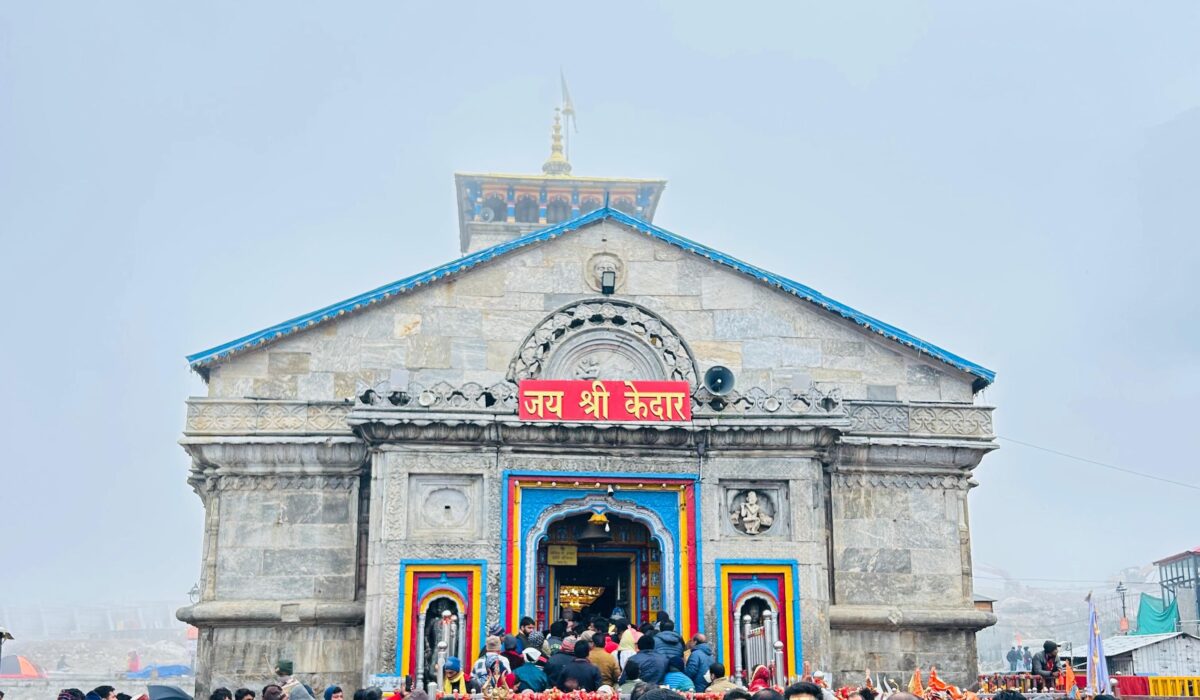
For the Kedarnath Yatra in 2026, you generally do not need heavy-duty trekking shoes; regular sports shoes with good grip are often more appropriate. Indiahikes expert Swathi explicitly states that “for the Kedarnath trek, you don’t need trekking shoes, in fact, it’s better to not take trekking shoes… regular sport shoes or sneakers” are sufficient because the entire trail is a paved stone route (2025).
The Kedarnath trail consists primarily of paved stone routes, where heavy trekking shoes can be cumbersome and even increase the risk of slips due to their stiff soles. Lighter options offer better grip and comfort on the smooth, often wet, stone paths. This insight is crucial for pilgrims planning their Kedarnath Yatra.
Brands like CTR offer waterproof, anti-skid shoes (e.g., CTR RUB-50, Sherpa-1, RUB-600) specifically designed for pilgrimage trails like Kedarnath and Amarnath Yatra, providing essential features without the bulk of traditional trekking boots. These are a considered choice, offering safety and comfort.
While a full-fledged Trekking Shoes Buying Guide India might typically focus on rugged terrain, understanding the specific conditions of popular pilgrimage routes like Kedarnath is vital. Opt for shoes that provide stability and comfort for long hours of walking on hard surfaces, rather than deep mud or rocky scrambles.
This nuanced approach to footwear selection highlights the importance of matching your gear to the specific trek. For most, a good pair of sports shoes with adequate traction will suffice for the Kedarnath Yatra, a key takeaway for this Trekking Shoes Buying Guide India.
How Should Your Trekking Shoes Fit for Optimal Comfort?
Your trekking shoes should fit snugly but comfortably, allowing enough room for your toes to wiggle without your heel slipping, ensuring optimal comfort and preventing blisters on long treks. “Fit is the most important aspect to consider when shopping for a pair of hiking shoes,” according to REI.com’s expert advice (2025).
When trying on shoes, always wear the type of socks you’ll use for trekking and test them at the end of the day when your feet are slightly swollen. This mimics real-world conditions and helps ensure a true fit. Don’t rush this process; it’s an investment in your comfort.
There should be about a thumb’s width of space between your longest toe and the end of the shoe. This prevents your toes from jamming on descents, a common cause of discomfort and injury. Your heel should feel secure, not lifting excessively with each step.
Walk around the store, especially on inclines and declines if available, to test the fit under different stresses. Pay attention to any pressure points or rubbing. Brands like Altra are known for their roomy toe boxes, which can be ideal for hikers with wider feet, offering enhanced comfort.
Remember, a perfectly fitting pair of trekking shoes is your best defense against foot pain and fatigue, making your Indian trekking experience truly enjoyable. This Trekking Shoes Buying Guide India stresses the importance of personal fit above all else.
Top Budget-Friendly Trekking Shoes for Indian Trekkers 2026
For Indian trekkers seeking value without compromising performance, several budget-friendly trekking shoes offer excellent features like grip, support, and water resistance in 2026. Quechua models like the MH100 and MH500 are consistently highlighted as reliable and accessible options for Indian trekkers, according to outdoor gear reviews (2025).
Quechua, widely available at Decathlon stores across India, provides a range of trekking shoes that are well-suited for beginners and intermediate trekkers. Their Trek 100 offers good ankle support and grip, making it a popular choice for those just starting their trekking journey.
While not luxury brands like Merrell or Salomon, these options prioritize essential features for safety and comfort on Indian trails. They represent a smart investment for aspiring adventurers, proving that quality doesn’t always demand a premium price. This Trekking Shoes Buying Guide India aims to be inclusive.
Other brands also offer compelling budget-friendly trekking shoes. Look for local Indian brands that specialize in outdoor gear, as they often understand the specific needs of Indian terrain and weather conditions. Always check user reviews for real-world performance insights.
Here are some budget-friendly trekking shoes often recommended for Indian trekkers:
- Quechua MH100: Great for day hikes and less technical trails, offering comfort and basic protection.
- Quechua MH500: A step up with better cushioning and grip, suitable for moderate multi-day treks.
- Quechua Trek 100: Provides good ankle support and waterproofing, making it a versatile option for various Indian landscapes.
- CTR Series (RUB-50, Sherpa-1): Specifically designed for pilgrimage routes like Kedarnath, offering waterproofing and anti-skid features.
A comprehensive Trekking Shoes Buying Guide India should always include options that cater to every budget, ensuring everyone can experience the joy of trekking safely.
Essential Tips for Breaking In & Maintaining Your Trekking Shoes
To ensure maximum comfort and longevity, it’s essential to properly break in your trekking shoes before a major trek and follow a consistent maintenance routine. Neglecting to break in new footwear is a common mistake that leads to discomfort and potential injuries during treks, a lesson learned from years of experience at Perfect Planners (2026).
Begin by wearing your new trekking shoes for short walks around your neighborhood, gradually increasing the distance and terrain difficulty over several weeks. This allows the shoes to mold to your feet, preventing blisters and hotspots on longer excursions. Think of it as a gradual introduction to your feet.
After each trek, clean your shoes to remove dirt, mud, and debris, paying special attention to the sole and seams. Use a soft brush and mild soap, then air dry them away from direct heat. Proper care extends the life of your valuable investment, ensuring they’re ready for your next adventure.
Regularly check the laces, eyelets, and stitching for wear and tear. Address minor issues promptly to prevent them from becoming major problems. Applying a waterproofing treatment periodically, especially for shoes without Gore-Tex, will maintain their protective qualities.
Proper shoe care is as important as the initial selection of your footwear. This Trekking Shoes Buying Guide India emphasizes that a well-maintained pair will serve you reliably for many treks to come. For more packing advice, consider our Chardham Yatra Packing List 2026.
Frequently Asked Questions About Trekking Footwear
How should hiking shoes fit?
Hiking shoes should fit snugly in the heel, with enough room for your toes to wiggle freely, and without any pressure points. You should have about a thumb’s width of space between your longest toe and the front of the shoe, according to expert advice from REI.com (2025). This ensures comfort and prevents your toes from jamming on descents.
<h3 id="what