
Key Takeaways
- The Valley of Flowers National Park spans approximately 87.50 square kilometers, according to the Uttarakhand Tourism Department (2026).
- Over 600 species of alpine wildflowers bloom in the Valley of Flowers, with peak bloom from mid-July to mid-August, as reported by multiple trekking sources (2026).
- Uttarakhand recorded a record 6.03 crore tourist footfall in 2025, according to the Uttarakhand Tourism Development Board (2026).
- The Valley of Flowers National Park is officially open from June 1 to October 31, 2026, as confirmed by the Forest Department of Uttarakhand (2026).
- The combined Valley of Flowers and Hemkund Sahib trek reaches a maximum altitude of 4,329 meters (14,200 ft) at Hemkund Sahib, according to numerous trekking guides (2026).
Planning your ultimate Himalayan adventure? This comprehensive **Valley of Flowers trek guide 2026** is your essential resource for navigating one of India’s most breathtaking natural wonders. We’ll cover everything from the best time to visit and itinerary planning to costs, permits, and how to make this journey a truly unforgettable experience.
Quick Answer: The Valley of Flowers Trek is a moderate 4-6 day journey in Uttarakhand, India, a UNESCO World Heritage Site. Covering 87.50 sq km with over 500 alpine flower species, it’s best visited mid-July to mid-August for peak bloom, often including Hemkund Sahib.
What is the Valley of Flowers Trek?
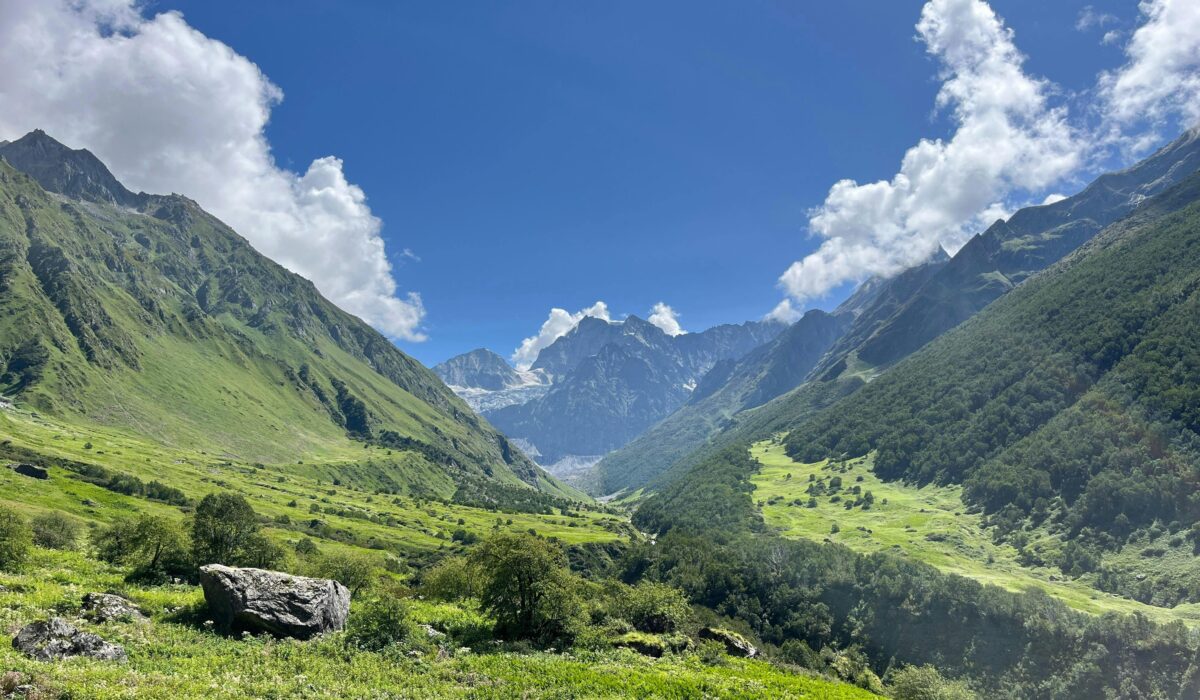
The Valley of Flowers Trek is an iconic journey into a vibrant, high-altitude Himalayan valley renowned for its breathtaking alpine meadows and diverse flora. This UNESCO World Heritage Site, nestled in Uttarakhand, India, offers an unparalleled natural spectacle. It’s a key part of the larger Nanda Devi Biosphere Reserve, a protected area of immense ecological significance.
The park itself spans an impressive 87.50 square kilometers, according to the Uttarakhand Tourism Department (2026). This vast expanse means you’ll encounter a stunning variety of landscapes and ecosystems throughout your journey. For any discerning adventurer, a **Valley of Flowers trek guide 2026** helps unveil this natural paradise.
British mountaineer Frank S. Smythe first stumbled upon this hidden gem in 1931, famously declaring it “a paradise on Earth.” His discovery brought global attention to this pristine wilderness, solidifying its status as a must-visit destination. The allure of the valley truly lies in its untouched beauty and the sheer abundance of life it supports.
Valley of Flowers Trek 2026: Best Time to Visit & Opening Dates
The best time to experience the Valley of Flowers Trek is from mid-July to mid-August for peak bloom, though the park is officially open from June 1 to October 31, 2026. This limited window ensures trekkers witness the valley in its full, vibrant glory, a truly exclusive spectacle. The Forest Department of Uttarakhand (2026) confirms these operational dates annually.
During late July and early August, the valley transforms into a carpet of colors, as over 600 species of alpine wildflowers burst into bloom, according to multiple trekking and tourism sources (2026). This is when you’ll find the most spectacular displays of the Himalayan Blue Poppy and other rare species. The monsoon season feeds these incredible blooms, making the landscape lush and verdant.
Here’s a quick overview of what to expect seasonally for your **Valley of Flowers trek guide 2026**:
- June: Early blooms emerge, snow starts melting, and the weather is generally clear. It’s less crowded but fewer flowers.
- Mid-July to Mid-August: This is the prime time, offering the most vibrant display of flowers. Expect occasional rain, which adds to the valley’s mystical appeal.
- September: Flowers begin to fade, replaced by autumn hues. The weather becomes crisper, and crowds thin out, offering a more serene experience.
Consider your priorities – peak bloom or fewer crowds – when planning your **Valley of Flowers trek guide 2026**.
How Difficult is the Valley of Flowers Trek?
The Valley of Flowers trek is generally considered a moderate-level trek, suitable for beginners with a reasonable level of fitness and experienced trekkers alike. While it doesn’t involve technical climbing, the sustained walking over several days and altitude gains require preparation. Many trekking organizations, like The Searching Souls, rate it as moderate, emphasizing endurance over technical skill.
The trek typically involves daily walks of 4-6 hours, covering varied terrain from paved paths to rocky trails. The total distance covered is approximately 38 kilometers (round trip from Govindghat to Ghangaria and then to the Valley of Flowers). This **Valley of Flowers trek guide 2026** aims to provide realistic expectations.
What most people miss is the altitude factor. While the Valley of Flowers itself isn’t extremely high, reaching Ghangaria (3,050 meters or 10,000 ft) and especially Hemkund Sahib (4,329 meters or 14,200 ft) can pose challenges. Acclimatization is key to avoiding AMS (altitude sickness). Ensure you include buffer days in your itinerary.
Do You Need a Permit or Guide for Valley of Flowers Trek 2026?
Yes, you absolutely need a permit to enter the Valley of Flowers National Park, and while a guide isn’t strictly mandatory for the Valley itself, it’s highly recommended for safety and an enriched experience. Securing your permit is a straightforward process, typically handled at the entrance gate in Ghangaria. This is a crucial detail for any **Valley of Flowers trek guide 2026**.
The permit fee is a modest investment that contributes to the conservation efforts of this sensitive ecosystem. Indian nationals typically pay a fee per person per day, while foreign nationals have a slightly higher charge. These fees, managed by the Forest Department, are essential for maintaining the park’s pristine condition.
While you can trek independently, a local guide or an organized tour operator like Trek The Himalayas offers invaluable benefits. They provide expert knowledge of the trails, local flora and fauna, and crucial assistance in case of emergencies. Many packages, including those from Sar Outdoors, often bundle permits and guides, simplifying your **Valley of Flowers trek guide 2026** logistics.
Valley of Flowers Trek Itinerary & How to Reach
Reaching the Valley of Flowers typically involves a multi-stage journey to Govindghat, followed by a trek to Ghangaria, the base camp, before daily excursions into the valley. Your curated **Valley of Flowers trek guide 2026** will detail this journey. The most common starting point is Rishikesh or Haridwar, both well-connected by road.
From Rishikesh, a scenic drive of approximately 9-10 hours takes you to Govindghat or Pulna. You can hire a private taxi or use shared jeeps. From Govindghat, the trek begins:
- Day 1: Rishikesh/Haridwar to Govindghat/Pulna (Drive)
- Drive to Govindghat (approx. 290 km).
- Overnight stay in Govindghat or Pulna.
- Day 2: Govindghat/Pulna to Ghangaria (Trek 10-12 km)
- The trek to Ghangaria is the first significant walking portion.
- You can also opt for a pony or helicopter service for parts of this route.
- Ghangaria serves as the base for both the Valley of Flowers and Hemkund Sahib treks.
- Day 3: Ghangaria to Valley of Flowers and Back (Trek 6-8 km)
- This is your day to explore the magnificent Valley of Flowers National Park.
- You’ll spend 3-4 hours inside the valley, soaking in its beauty.
- Remember, overnight stays inside the Valley of Flowers are not permitted.
- Day 4: Ghangaria to Hemkund Sahib and Back (Trek 12 km)
- An optional but highly recommended trek to the sacred Hemkund Sahib Gurudwara.
- This ascent is steeper and more challenging, reaching 4,329 meters (14,200 ft).
- Return to Ghangaria for the night.
- Day 5: Ghangaria to Govindghat/Pulna and Drive to Joshimath/Badrinath (Trek 10-12 km, Drive)
- Trek back down to Govindghat.
- From there, drive to Joshimath or continue towards Badrinath.
- Day 6: Drive to Rishikesh/Haridwar
- Conclude your journey with a drive back.
This typical itinerary, often featured in a comprehensive **Valley of Flowers trek guide 2026**, provides a balanced approach to exploration and rest. For those considering a Chardham Yatra package, integrating Badrinath at this stage is a natural extension.
Valley of Flowers Trek Cost 2026: What to Expect
The cost for the Valley of Flowers trek in 2026 can vary significantly based on your travel style, whether you opt for an organized tour, and the level of luxury you desire. A well-planned **Valley of Flowers trek guide 2026** helps you anticipate these expenses. Expect to make a considered investment for a quality experience.
A solo trekker focusing on basic services might find expenses lower, while an all-inclusive package from a reputable operator like TrekNomads will offer a seamless, premium experience.
Here’s a breakdown of potential costs for your **Valley of Flowers trek guide 2026**:
| Category | Estimated Cost (INR) | Notes |
|---|---|---|
| Permit Fee (Indian) | ~150-200 per day | For entry into the National Park. |
| Permit Fee (Foreigner) | ~600-750 per day | Higher charges for international visitors. |
| Transportation | ~3,000-8,000 | Rishikesh/Haridwar to Govindghat (round trip by bus/shared jeep). Private taxi will be higher. |
| Accommodation (Ghangaria) | ~800-2,500 per night | Range for guesthouses/basic hotels. |
| Food | ~500-1,000 per day | Simple meals at dhabas or guesthouse restaurants. |
| Pony/Porter (Optional) | ~1,500-3,000 per day | For the Govindghat to Ghangaria stretch. |
| Guide Fee (Optional) | ~1,500-2,500 per day | Highly recommended for safety and insights. |
| Organized Tour Package | ~12,000-25,000+ | Typically 5-7 days, including transport, accommodation, food, permits, and guide. |
These figures are estimates for 2026, and prices can fluctuate. Many reputable trekking companies offer all-inclusive Valley of Flowers trek packages that streamline planning and provide excellent value.
Flora & Fauna: Exploring the Valley of Flowers’ Unique Blooms
The Valley of Flowers is a botanical marvel, home to an astounding array of flora, with over 500-600 species of alpine wildflowers blooming in its meadows, according to multiple tourism sources (2026). This rich biodiversity is why it’s a designated UNESCO World Heritage Site and the centerpiece of any **Valley of Flowers trek guide 2026**.
Among its most celebrated inhabitants is the sacred **Brahma Kamal** (Saussurea obvallata), Uttarakhand’s state flower, known for its unique nocturnal bloom and medicinal properties. This rare flower is deeply revered in local culture and traditions. Finding a Brahma Kamal is a truly special moment on the trek.
Another star of the valley is the elusive **Himalayan Blue Poppy (Meconopsis aculeata)**, its vibrant blue petals a striking contrast against the green landscape. Other notable blooms include Primulas, Anemones, Geraniums, and the intriguing Cobra Lily. The sheer density and variety of these blooms create a kaleidoscopic effect, a painter’s dream.
Beyond the flowers, the Nanda Devi Biosphere Reserve, which encompasses the Valley of Flowers National Park, also hosts diverse fauna. Keep an eye out for Asiatic black bears, snow leopards (though rarely sighted), musk deer, and various high-altitude birds. A responsible **Valley of Flowers trek guide 2026** emphasizes observing wildlife from a respectful distance.
Combining Your Trek with Hemkund Sahib & Chardham Yatra
Combining your Valley of Flowers trek with a visit to the sacred Hemkund Sahib Gurudwara and potentially extending it to a Chardham Yatra pilgrimage offers a holistic Himalayan experience that blends natural beauty with spiritual significance. This curated approach enhances the value of your **Valley of Flowers trek guide 2026**.
Hemkund Sahib, a revered Sikh pilgrimage site, sits at an altitude of 4,329 meters (14,200 ft), presenting a challenging but incredibly rewarding ascent. The pristine glacial lake surrounded by seven snow-capped peaks offers a profound spiritual ambiance. Many trekkers dedicate an additional day from Ghangaria to complete the Hemkund Sahib trek, making it a natural extension.
For those on a spiritual journey, the proximity of Badrinath, one of the four revered Chardham shrines, makes it an ideal addition. After descending from Ghangaria to Govindghat, you can easily drive to Badrinath to complete this important pilgrimage. Perfect Planners, in our experience, finds that many of our clients appreciate this seamless integration. This makes your **Valley of Flowers trek guide 2026** a gateway to a broader spiritual adventure. Consider our Chardham Yatra Package 2026: Essential Safe Guide for more details.
Advanced Safety & Responsible Trekking Tips
Prioritizing advanced safety measures and practicing responsible trekking is paramount for a memorable and sustainable journey through the Valley of Flowers. A comprehensive **Valley of Flowers trek guide 2026** isn’t complete without emphasizing these critical aspects. Your well-being and the preservation of this delicate ecosystem depend on it.
Acclimatization is perhaps the most critical safety tip, especially when ascending to Ghangaria and Hemkund Sahib. AMS (Acute Mountain Sickness) can affect anyone, regardless of fitness level.
- Ascend Slowly: Allow your body time to adjust to higher altitudes.
- Hydrate Continuously: Drink plenty of water throughout the trek.
- Recognize Symptoms: Be aware of headaches, nausea, dizziness, and fatigue. Descend immediately if symptoms worsen.
- Carry Medication: Consult your doctor about carrying Diamox or other altitude sickness medications.
Responsible trekking adheres to Leave No Trace principles, ensuring future generations can enjoy the valley’s beauty. The Uttarakhand Tourism Development Board actively promotes sustainable tourism practices.
Here are some key responsible trekking practices for your **Valley of Flowers trek guide 2026**:
- Stay on Marked Trails: Protect fragile vegetation and avoid disturbing wildlife.
- Pack It In, Pack It Out: Carry all your waste, including non-biodegradable items, back with you.
- Respect Wildlife: Observe from a distance; never feed or approach animals.
- Support Local Economy: Patronize local businesses and respect local customs.
This mindful approach ensures your **Valley of Flowers trek guide 2026** experience is not only enriching for you but also beneficial for the environment and local communities.
Frequently Asked Questions
How difficult is the Valley of Flowers trek?
The Valley of Flowers trek is considered moderate, requiring a good fitness level for sustained walking over several days. While not technically challenging, the altitude gain to Ghangaria (3,050m) and Hemkund Sahib (4,329m) necessitates acclimatization. Many trekking organizations, like TTH (Trek The Himalayas), categorize it as a moderate journey (2026).
What is the best month to visit Valley of Flowers?
The best month to visit the Valley of Flowers is August, specifically from mid-July to mid-August, for the most spectacular display of alpine wildflowers. During this period, over 600 species are in peak bloom, transforming the valley into a vibrant tapestry, according to the Uttarakhand Tourism Department (2026).
Do I need a guide for Valley of Flowers trek?
While not strictly mandatory for the Valley of Flowers National Park itself, a guide is highly recommended for safety, navigation, and to enrich your understanding of the local flora and fauna. Many organized trek packages, like those from Himalaya Shelter, include experienced local guides (2026).
Do I need a permit for Valley of Flowers Trek?
Yes, a permit is required to enter the Valley of Flowers National Park. You can obtain this permit at the Forest Department check post in Ghangaria, the base camp for the trek. The permit fees contribute directly to the conservation and maintenance of this UNESCO World Heritage Site (2026).
Can we stay overnight in Valley of Flowers?
No, staying overnight within the Valley of Flowers National Park is strictly prohibited to preserve its delicate ecosystem. Trekkers must return to Ghangaria, the designated base camp, for accommodation each evening, as enforced by the Forest Department of Uttarakhand (2026).