Key Takeaways
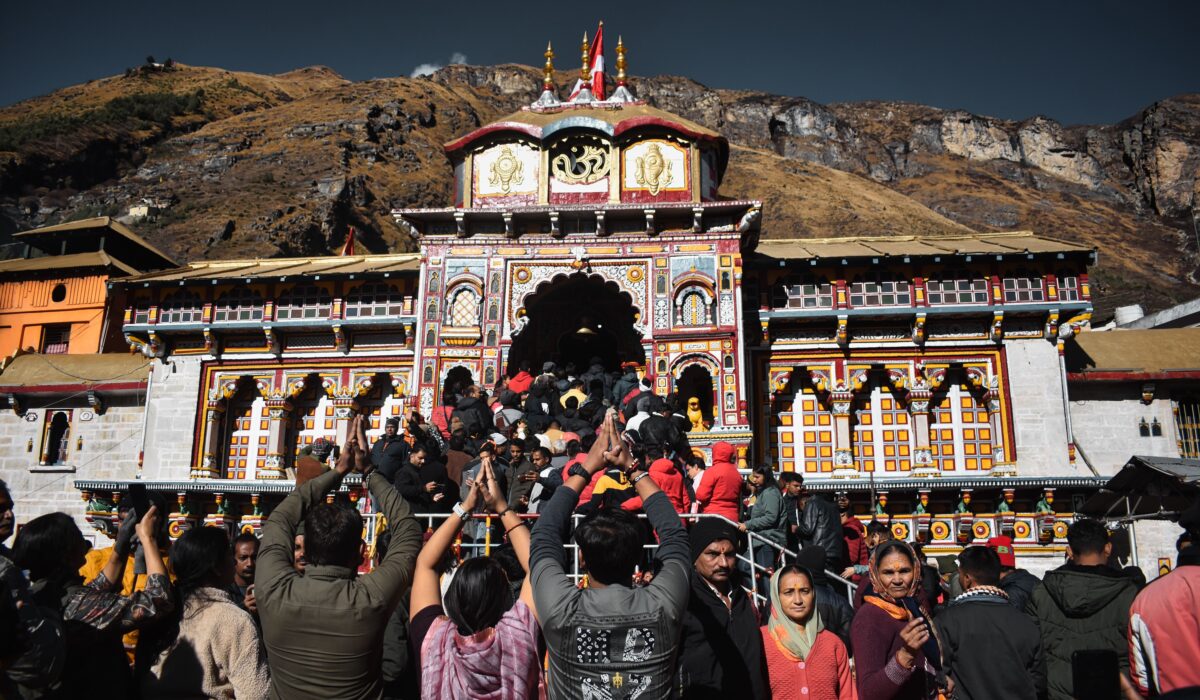
- Badrinath Temple officially opened on April 23, 2026, for the pilgrimage season, according to the Shri Badarinath Kedarnath Temple Committee (2026).
- The best time to experience Badrinath travel tips weather is during the summer months of May and June, offering pleasant daytime temperatures.
- By June 25, 2026, Badrinath Dham welcomed 1,285,167 visitors, indicating the pilgrimage’s significant popularity (State Emergency Operations Centre, 2026).
- Altitude sickness is a critical concern at Badrinath’s elevation of 3,133 meters, requiring proactive prevention strategies for all pilgrims.
- Packing warm layers, essential medicines, and staying updated on weather conditions are paramount for a safe and comfortable Badrinath yatra.
Planning a pilgrimage to Badrinath requires careful attention to the elements, and understanding **Badrinath travel tips weather** is your first step towards an enriching experience. Many pilgrims wonder about the ideal time to visit and what preparations are truly essential. This comprehensive guide from Perfect Planners is designed to equip you with all the vital information, ensuring your yatra is not only spiritually fulfilling but also remarkably safe and comfortable.
Quick Answer: The best time to visit Badrinath is May-June and Sept-Oct. Temple opened April 23, 2026, tentatively closing Nov 13, 2026. Pack warm layers, essential medicines, and stay updated on weather for a safe pilgrimage.
What is the Best Time to Visit Badrinath?
The best time to visit Badrinath is generally during the months of May to June and again from September to October, when the weather is most favorable for pilgrimage. During these periods, you’ll experience clear skies and moderate temperatures, which are ideal for exploring the temple and its surroundings, making your Badrinath travel tips weather planning much simpler. Summer offers pleasant conditions, while post-monsoon brings crisp air and verdant landscapes.
The temple’s operational season itself is largely dictated by the weather, typically opening in late April or early May and closing in November due to heavy snowfall.
What most people miss is that even within these “best” times, the early season (May) can still be quite chilly, and the late season (October) sees temperatures drop significantly, especially after sunset. Always check the current Badrinath travel tips weather forecast before finalizing your plans to ensure maximum comfort and safety.
Badrinath Weather by Month: A Detailed Breakdown for Badrinath Travel Tips Weather
Understanding the monthly **Badrinath travel tips weather** patterns is crucial for preparing for your yatra. The climate in Badrinath varies dramatically with the seasons, from mild summers to harsh, snow-bound winters.
Here’s a detailed breakdown:
- May-June (Summer): This is peak season for Badrinath travel tips weather. The average temperature ranges from 19°C to 29°C during the day, with nights dropping to around 8°C, according to Thomas Cook (2026). You’ll find clear skies and relatively comfortable conditions, though evenings demand warm clothing.
- July-September (Monsoon): Badrinath experiences moderate to heavy rainfall during these months, with average daytime temperatures between 20°C and 27°C. Landslides and road blockages are common, making travel challenging and risky. Many pilgrims prefer to avoid this period for safety reasons, impacting their Badrinath travel tips weather experience.
- October-November (Autumn/Pre-Winter): The monsoon recedes, leaving behind lush greenery and clear views. Temperatures begin to drop, ranging from 10°C to 18°C during the day, but nights can become very cold, often falling below 5°C. This is a beautiful time to visit, but be prepared for cold weather, a key part of your Badrinath travel tips weather strategy.
- December-April (Winter): The temple remains closed during these months as temperatures fall below 0°C, with heavy snowfall making roads inaccessible. It’s impossible to undertake the pilgrimage during this period.
The Badrinath temperature in May is particularly pleasant, drawing a large number of devotees. However, it’s essential to remember that mountain weather can be unpredictable, and sudden changes are not uncommon. Always carry layers to adapt to fluctuating temperatures, a core principle for Badrinath travel tips weather.
Essential Badrinath Travel Tips: Packing & Preparations
To ensure a comfortable and safe pilgrimage, your packing and preparation strategy should align closely with the expected **Badrinath travel tips weather**. Overlooking these details can significantly impact your experience at this high-altitude destination.
Consider these vital items for your Badrinath packing list:
- Warm Clothing: Pack multiple layers, including thermals, sweaters, woollen caps, gloves, and a heavy jacket, even during summer months. The temperature can drop unexpectedly, especially in the evenings and early mornings.
- Rain Gear: A waterproof jacket or poncho and an umbrella are indispensable, particularly if you’re traveling during the monsoon or shoulder seasons. Sudden showers are common.
- Comfortable Footwear: Sturdy, waterproof walking shoes with good grip are essential for navigating uneven terrain and wet surfaces.
- Personal Medicines: Carry any prescribed medications, along with a basic first-aid kit including pain relievers, antiseptic cream, band-aids, and medicines for cold, cough, and digestive issues.
- Documents & Essentials: Keep valid ID, registration documents, cash (ATMs can be scarce), a power bank, flashlight, and toiletries readily accessible.
For senior citizens, a Badrinath travel guide for senior citizens emphasizes even greater care in packing, suggesting walking sticks, easily digestible snacks, and copies of medical prescriptions. Planning your provisions carefully is a crucial aspect of managing Badrinath travel tips weather challenges.
How to Prevent and Manage Altitude Sickness in Badrinath
Preventing altitude sickness in Badrinath, which sits at an elevation of 3,133 meters (10,279 feet), is paramount for a healthy pilgrimage. Altitude sickness, or Acute Mountain Sickness (AMS), can severely impact your ability to enjoy the yatra and is a critical consideration for your **Badrinath travel tips weather** planning.
The most important supporting fact is that acclimatization is key to prevention.
Here’s how to minimize risks and manage symptoms:
- Gradual Ascent: Avoid rushing your journey. Spend a night or two at lower altitudes like Joshimath or Rudraprayag to allow your body to adjust. This gradual approach is a fundamental Badrinath travel tips weather strategy.
- Stay Hydrated: Drink plenty of water and fluids (non-alcoholic) throughout your journey. Dehydration can exacerbate altitude sickness symptoms.
- Avoid Strenuous Activity: Limit physical exertion upon arrival. Rest during your first few hours in Badrinath.
- Light Meals: Consume light, easily digestible meals. Avoid heavy, oily, or spicy foods.
- Monitor Symptoms: Be aware of common altitude sickness Badrinath prevention symptoms such as headache, nausea, dizziness, fatigue, and shortness of breath. If symptoms worsen, descend to a lower altitude immediately.
- Consult a Doctor: Before your trip, speak with your doctor about preventive medications like Diamox, especially if you have pre-existing health conditions.
In practice, many pilgrims underestimate the impact of altitude, but prioritizing your health by following these tips will significantly enhance your Badrinath travel tips weather experience. Sadly, 63 deaths were reported in Badrinath Dham due to health-related ailments during the first 67 days of the 2026 yatra, according to officials (2026), underscoring the importance of vigilance.
Planning Your Badrinath Yatra: Temple Dates & Duration
Planning your Badrinath yatra involves aligning your travel with the temple’s specific opening and closing dates, which are announced annually and are crucial for your **Badrinath travel tips weather** considerations. The temple’s operational period is entirely dependent on the weather conditions in the Himalayan region.
Badrinath Temple officially opened on April 23, 2026, for the pilgrimage season, according to the Shri Badarinath Kedarnath Temple Committee (2026).
The Badrinath Temple is tentatively scheduled to close on November 13, 2026, as per the Char Dham Yatra website (2026). These Badrinath temple opening and closing dates 2026 are vital for scheduling your trip. A typical visit to Badrinath itself usually requires 1-2 days for darshan and local sightseeing, but the entire journey, including travel to and from the region, can span 5-7 days depending on your starting point and mode of transport. For a comprehensive Char Dham yatra package Badrinath Kedarnath, allow more time.
The government has made comprehensive arrangements for the Char Dham Yatra, emphasized Hemant Dwivedi, President of the Badri-Kedar Temple Committee, in May 2026, highlighting the commitment to pilgrim safety. By June 25, 2026, Badrinath Dham had received 1,285,167 visitors during the ongoing Char Dham Yatra, according to the State Emergency Operations Centre (2026).
Transportation & Accommodation for Your Badrinath Trip
Navigating transportation and securing suitable accommodation are critical components of your **Badrinath travel tips weather** planning, ensuring a smooth and comfortable journey to this sacred destination. How to reach Badrinath involves a combination of road, and sometimes air, travel.
For accommodation, finding the right stay is an investment in your comfort.
Here’s a breakdown of your options:
How to Reach Badrinath
- By Road: Badrinath is well-connected by motorable roads, but the journey involves mountainous terrain. Buses and taxis are readily available from major towns like Rishikesh, Haridwar, and Dehradun. The road conditions are a significant factor in Badrinath travel tips weather, especially during monsoon.
- By Air: The nearest airport is Jolly Grant Airport (Dehradun). From there, you can hire a taxi or take a bus. For a more luxurious and time-saving option, Pawan Hans operates helicopter services to Badrinath, though these are subject to weather conditions.
- By Train: The nearest railway stations are Rishikesh and Haridwar. From these points, you’ll continue your journey by road.
Accommodation Options
Securing quality accommodation is a key aspect of your Badrinath travel tips weather strategy. Options range from basic guest houses to more comfortable hotels.
GMVN (Garhwal Mandal Vikas Nigam) guest houses are frequently cited as reliable and comfortable accommodation options in Badrinath, offering basic yet efficient facilities. Hotel Snow Crest and Hotel Yoga are also mentioned as recommended stay options in Badrinath town, providing concrete examples for accommodation. For more curated choices, consider exploring our Best Badrinath Hotels: 7 Top Stays for Pilgrims guide.
It’s always wise to book your accommodations in advance, especially during the peak season, to ensure a seamless experience. This proactive approach helps manage the unexpected, which is often a part of Badrinath travel tips weather.
Exploring Beyond the Temple: Nearby Attractions & Cuisine
While the primary draw is the sacred Badrinath Temple, extending your exploration to nearby attractions and indulging in local cuisine adds depth to your pilgrimage, offering a holistic experience beyond just the **Badrinath travel tips weather**. The region around Badrinath is rich in natural beauty and cultural significance.
Pilgrims are traditionally advised to bathe in the hot waters of Tapt Kund before entering the Badrinath Temple, as highlighted by various travel guides, indicating a long-standing ritual.
Nearby Attractions
Consider these enriching detours:
- Mana Village: Often referred to as the ‘last Indian village’ before the Tibet border, Mana Village Badrinath is a treasure trove of cultural insights. It’s just 3 km from Badrinath and features attractions like Vyas Gufa and Ganesh Gufa.
- Vasudhara Falls: A beautiful waterfall located about 9 km from Badrinath, accessible via a trek from Mana Village. The trek offers stunning views, but be mindful of Badrinath travel tips weather conditions.
- Brahma Kapal: A flat platform on the banks of the Alaknanda River where Hindus perform rituals for their deceased ancestors.
- Valley of Flowers National Park: (Seasonal) A UNESCO World Heritage Site, accessible via a trek from Govindghat (near Joshimath). Best visited in July-August, but check Badrinath travel tips weather for opening.
Local Cuisine
The local cuisine in Badrinath is predominantly simple, vegetarian, and sattvic, catering to pilgrims. You’ll find a range of North Indian and local Garhwali dishes.
Sardeswari Restaurant near Devlok Chowk is cited as a specific restaurant offering excellent service and diverse food options in Badrinath. Don’t miss local specialties like Aloo ke Gutke, Gahat ki Dal, and various forms of local bread. Always opt for freshly prepared, hot food to avoid any travel-related ailments, a practical Badrinath travel tips weather consideration.
Ensuring a Safe & Responsible Badrinath Pilgrimage
Ensuring a safe and responsible Badrinath pilgrimage extends beyond just checking the **Badrinath travel tips weather**; it involves being prepared for emergencies, respecting the environment, and adhering to local customs. Your journey should be as mindful as it is memorable.
Amit Lohani, Deputy Director of the Tourism Department and Nodal Officer for the Char Dham Yatra, stated in June 2026 that “more than 4,400,000 registrations have been recorded so far, while over 23 lakh devotees have already completed darshan at the four shrines,” underscoring the record turnout and the need for robust infrastructure.
Here are key considerations for a responsible trip:
| Aspect | Safety & Responsibility Tips |
|---|---|
| Emergency Preparedness | Carry a fully charged phone, save emergency contact numbers (local police, medical services, your tour operator). Stay updated on road closures and travel advisories via official sources. |
| Environmental Impact | Practice ‘Leave No Trace’. Dispose of waste responsibly, avoid plastics, and respect the pristine Himalayan ecosystem. This aligns with sustainable Badrinath travel tips weather practices. |
| Cultural Sensitivity | Dress modestly, respect local traditions, and maintain decorum within the temple premises. Photography might be restricted in certain areas. |
| Health & Well-being | Carry sufficient water, snacks, and any personal medications. Get adequate rest. Do not overexert yourself, especially at high altitudes. |
| Financial Prudence | Carry some cash as digital payment options might be limited in remote areas. Be wary of unauthorized guides or services. |
Remember that Adi Shankaracharya revived the Badrinath Temple in the 8th century, a fact often cited in historical and spiritual accounts, establishing the temple’s ancient roots and significance. Respecting this heritage and the local community is part of a truly fulfilling yatra. Your personal safety and respect for the sacred environment are paramount, integral to any Badrinath travel tips weather advice.
Frequently Asked Questions
What is the temperature in Badrinath in May?
The temperature in Badrinath in May is generally pleasant, with daytime averages ranging from 19°C to 29°C, according to Thomas Cook (2026). However, evenings can still be cool, dropping to around 8°C, so warm layers are essential. This is considered an ideal time for pilgrimage due to the favorable Badrinath travel tips weather.
Is it safe to travel to Badrinath now?
Yes, it is generally safe to travel to Badrinath during its operational season (May-June and Sept-Oct), provided you stay updated on current Badrinath travel tips weather and road conditions. However, the monsoon months (July-August) carry increased risks of landslides and should be approached with caution. Always check official advisories from the Uttarakhand Tourism Development Board.
What should I wear in Badrinath?
You should wear warm, layered clothing in Badrinath, including thermals, sweaters, a heavy jacket, woollen caps, and gloves, regardless of the season, due to unpredictable mountain weather. Waterproof outerwear is also highly recommended, especially for managing Badrinath travel tips weather. Comfortable, sturdy walking shoes are a must for navigating the terrain.
How many days are sufficient for Badrinath?
For the Badrinath temple visit itself, 1-2 days are typically sufficient, allowing for darshan and exploring nearby attractions like Mana Village. However, the entire journey, including travel from major hubs like Rishikesh or Haridwar, usually requires 5-7 days, which factors in travel time and acclimatization. This duration allows for a comprehensive experience of Badrinath travel tips weather and spiritual journey.
What are the opening and closing dates of Badrinath Temple in 2026?
The Badrinath Temple officially opened on April 23, 2026, and is tentatively scheduled to close on November 13, 2026, as confirmed by the Shri Badarinath Kedarnath Temple Committee (2026). These Badrinath temple opening dates 2026 are determined annually based on astrological calculations and weather conditions. Planning your trip around these dates is crucial for a successful pilgrimage.
Comments
One response to “Badrinath Travel Tips Weather: 7 Essential for Safe Trip”
[…] sees the region closed due to heavy snowfall. For comprehensive planning, consult a Badrinath Travel Tips Weather […]