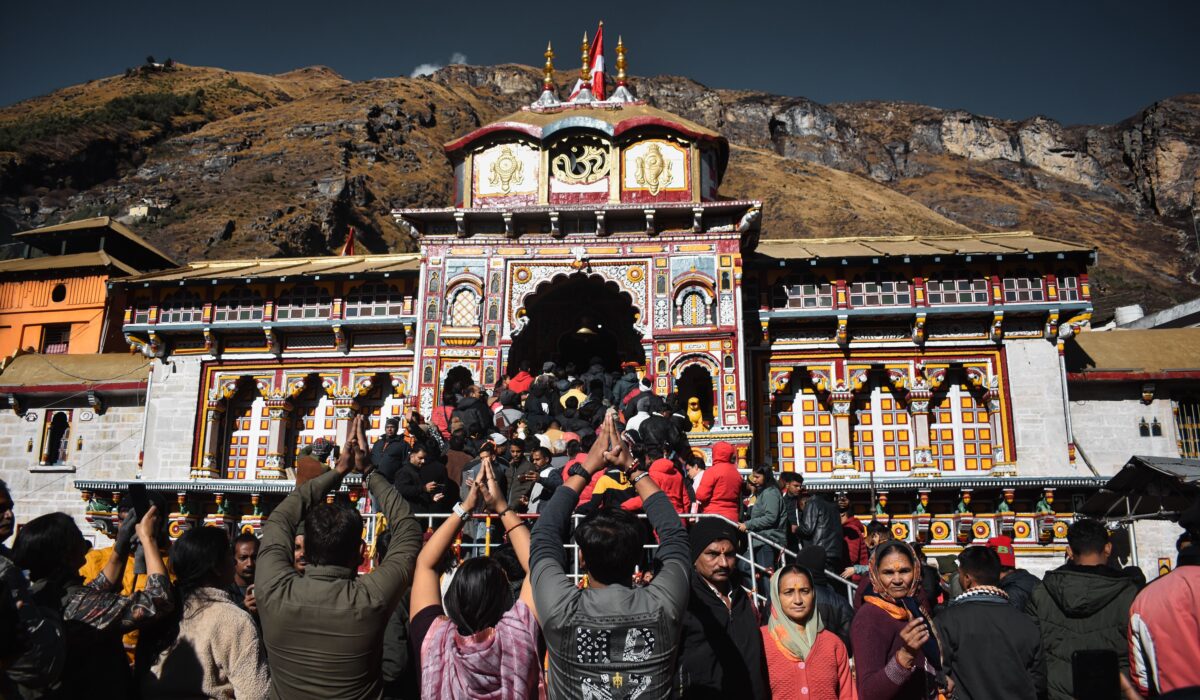
Key Takeaways
- Badrinath Temple is a revered Char Dham site, symbolizing liberation and self-discovery as the sacred abode of Lord Vishnu.
- As of June 25, 2026, Badrinath Dham recorded 1,285,167 visitors, highlighting its enduring importance for pilgrims, according to SEOC (2026).
- Adi Shankaracharya is credited with establishing the Char Dham pilgrimage circuit, including Badrinath, to unify Sanatan Dharma in the 8th century.
- Nearly 58% of Do Dham Yatra pilgrims are first-time Himalayan travelers, seeking unique spiritual experiences, according to a travel behavior study (2025).
- Pilgrims often describe a “spiritual awe and divine connection” when viewing Neelkanth Peak from the temple, enhancing the profound spiritual significance of Badrinath Temple.
The **Spiritual Significance of Badrinath Temple** holds a profound place in Hindu dharma, drawing millions to its sacred precincts in the Himalayas. If you’re wondering what truly makes this revered site a cornerstone of spiritual journeys, you’re in the right place; we’ll unveil the deep mythological roots, transformative rituals, and enduring appeal that define its divine essence.
Quick Answer: Badrinath Temple signifies liberation and self-discovery as Lord Vishnu’s abode. A key Char Dham site, it purifies the soul and brings inner peace through ancient legends, sacred rituals, and its majestic Himalayan setting.
What is the Spiritual Significance of Badrinath Temple?
The **Spiritual Significance of Badrinath Temple** is primarily rooted in its identity as one of the holiest abodes of Lord Vishnu, specifically in his meditative form as Badrinarayan, offering a path to liberation (moksha) and self-realization. This revered site is one of the four principal shrines in India’s sacred Char Dham Yatra, a pilgrimage circuit established by Adi Shankaracharya. As the Skanda Purana eloquently states, “There are several sacred shrines in heaven, on earth, and in hell; but there is no shrine like Badrinath.” This powerful declaration underscores its unparalleled spiritual importance.
From our experience, the temple represents more than just a place of worship; it’s a profound spiritual ecosystem where the divine presence is palpable. The very location amidst the majestic Garhwal Himalayas contributes immensely to the spiritual significance of Badrinath Temple. Many pilgrims describe a feeling of immediate inner calm upon arrival.
The presence of the Nar and Narayan mountains, believed to be the abode where sages Nar and Narayan (incarnations of Lord Vishnu) meditated, further elevates the spiritual significance of Badrinath Temple. This ancient history imbues the entire region with a powerful, sacred energy. You’ll find that the serene atmosphere naturally encourages introspection and devotion.
What ancient legends and mythology define Badrinath?
Ancient legends and mythology profoundly define Badrinath by narrating its divine origins and the celestial presence of Lord Vishnu, establishing the core of the **Spiritual Significance of Badrinath Temple**. The Bhagavata Purana states that “there in Badrikashram the Personality of Godhead (Vishnu), in his incarnation as the sages Nar and Narayana, had been undergoing great penance since time immemorial for the welfare of all living entities.” This foundational myth explains why Badrinath is considered a powerful site for spiritual austerities and universal well-being.
The legend of Adi Shankaracharya also plays a pivotal role in solidifying the spiritual significance of Badrinath Temple. He is credited with discovering the black stone idol of Lord Vishnu in the Alaknanda River and enshrining it in the temple, thus reviving its prominence in the 8th century. This act was central to his mission of unifying and reviving Sanatan Dharma across India.
Another fascinating myth tells of Lord Vishnu meditating under a Badri (jujube) tree, with Goddess Lakshmi providing shelter from the harsh sun, giving the place its name. This story highlights the divine couple’s presence and the protective, nurturing energy associated with the site. The majestic Neelkanth Peak, visible behind the temple, is often seen as a silent, eternal guardian, further deepening the mystical aura and the spiritual significance of Badrinath Temple. These narratives aren’t just stories; they’re living traditions that continue to inspire millions.
Why is Badrinath Temple so important for pilgrims?
Badrinath Temple is exceptionally important for pilgrims because it offers a direct path to spiritual purification, liberation (moksha), and a deep connection with Lord Vishnu, making it a cornerstone of the Char Dham Yatra. The sheer volume of visitors underscores its enduring appeal; for instance, Badrinath Dham recorded 1,285,167 visitors as of June 25, 2026, according to data compiled by the State Emergency Operations Centre (SEOC) (2026). This figure highlights the immense faith and spiritual longing that draw people from across the globe.
Pilgrims undertake the arduous journey to Badrinath believing it cleanses sins and grants ultimate salvation. Hemant Dwivedi, President of the Badrinath-Kedarnath Temple Committee (BKTC), confirmed the rising pilgrim figures for the Char Dham Yatra in April 2026, emphasizing the continuous growth in its spiritual draw. This journey is often seen as a transformative experience, particularly for those undertaking the Do Dham Yatra alongside Kedarnath.
The Badrinath-Kedarnath Temple Committee (BKTC) approved a budget of Rs 127.09 crores for the financial year 2025–26, demonstrating the significant investment in maintaining the spiritual integrity and pilgrim facilities at Badrinath and Kedarnath Dhams (2025). This commitment ensures the sacred environment remains pristine for devotees. For many, the pilgrimage represents a profound act of devotion, a chance to shed worldly attachments, and achieve inner peace. This journey is a significant investment in one’s spiritual well-being, often planned meticulously.
How do specific rituals at Badrinath enhance spiritual experience?
Specific rituals at Badrinath profoundly enhance the spiritual experience by engaging pilgrims in ancient practices that purify the body, mind, and soul, directly contributing to the **Spiritual Significance of Badrinath Temple**. The holy dip in the Tapt Kund, a natural hot spring near the temple, is a mandatory purification ritual before darshan. Devotees regularly take this dip, believing it cleanses sins and prepares them spiritually for the divine presence.
The early morning Maha Abhishek ritual, performed by priests for Lord Badrinarayan, is another deeply immersive practice. Many pilgrims describe this as a deeply meditative and spiritual experience, thanks to the sacred chanting, the profound silence, and the palpable aura within the temple. This ritual allows for an intimate connection with the deity. The spiritual significance of Badrinath Temple is truly felt in these moments of deep devotion.
Here are some key rituals that deepen the spiritual connection:
- Tapt Kund Dip: A purifying bath in the thermal springs, believed to wash away negative karma.
- Maha Abhishek: An elaborate morning puja involving sacred hymns and offerings to Lord Badrinarayan.
- Evening Aarti: A vibrant devotional ceremony with lamps, bells, and chanting, creating a powerful spiritual atmosphere.
- Pind Daan: Rituals performed for ancestors, believed to grant them liberation, highlighting the temple’s role in ancestral reverence.
These carefully curated rituals are not merely traditions; they are potent spiritual tools designed to foster a direct connection with the divine, reinforcing the immense spiritual significance of Badrinath Temple.
What transformative experiences await modern seekers at Badrinath?
Transformative experiences await modern seekers at Badrinath through its unique blend of divine energy, natural grandeur, and ancient spiritual practices, profoundly enriching their understanding of the **Spiritual Significance of Badrinath Temple**. Pilgrims from various places, including Delhi, have recounted feeling an “overwhelming sense of serenity and purpose” upon approaching the Badrinath temple and experiencing “emotional and spiritual uplift” during the darshan of Badrinarayan. This personal testimony highlights the temple’s power to touch individual lives deeply.
The journey itself, often through challenging Himalayan terrain, becomes a metaphor for life’s spiritual path, fostering resilience and introspection. A recent travel behavior study revealed that nearly 58% of pilgrims undertaking the Do Dham Yatra are first-time Himalayan travelers, indicating that many are seeking new and profound experiences (2025). This adventure adds another layer to the spiritual significance of Badrinath Temple.
Many devotees find profound peace gazing at the glowing Neelkanth Peak behind the temple at sunrise, often describing it as a moment of “spiritual awe and divine connection.” Moreover, the enduring faith surrounding the Akhanda Jyothi—a lamp believed to burn continuously inside the temple during its winter closure—remains a subject of wonder and strengthens the belief in the temple’s miraculous energy. These encounters offer a unique opportunity for self-discovery and a deeper connection to the divine.
How does Badrinath foster universal appeal and inner peace?
Badrinath fosters universal appeal and inner peace by embodying timeless spiritual principles of devotion, compassion, and the pursuit of truth, transcending specific religious boundaries to highlight the profound **Spiritual Significance of Badrinath Temple**. While rooted in Hinduism, the core message of seeking divine connection and inner tranquility resonates with people from diverse backgrounds. The serene environment, nestled amidst the majestic Himalayas, naturally inspires contemplation and a sense of interconnectedness with nature and the divine.
The very essence of Lord Vishnu as the preserver of the universe, worshipped at Badrinath, speaks to a universal need for harmony and balance. The meaning of the Badrinarayan idol, often depicted in a meditative pose, symbolizes a state of profound inner peace achievable through spiritual practice. This representation serves as a powerful reminder of the potential for tranquility within each individual.
Consider the diverse demographic drawn to the yatra:
| Pilgrim Segment | Percentage of Do Dham Bookings (2025 Study) | Spiritual Connection |
|---|---|---|
| First-time Himalayan Travelers | 58% | Seeking new spiritual horizons, adventure, and divine experience. |
| Senior Citizens & Family Groups | Over 45% | Generational devotion, seeking blessings, and shared spiritual journey. |
This data, from a recent travel behavior study (2025), demonstrates Badrinath’s broad appeal, reaching beyond traditional pilgrimage demographics. The shared experience of devotion and the quest for inner peace unite these varied groups, emphasizing the universal spiritual significance of Badrinath Temple.
Exploring the Divine Energy of Badrinath Himalayas
Exploring the divine energy of the Badrinath Himalayas reveals how the natural landscape itself is integral to the **Spiritual Significance of Badrinath Temple**, acting as a powerful conduit for divine vibrations. The towering Nar and Narayan mountains, which cradle the temple, are not just geological formations but are revered as the physical manifestations of the sages Nar and Narayan, who meditated here for millennia. This sacred geography imbues the entire region with a profound spiritual aura.
The pristine Alaknanda River, flowing past the temple, is considered holy, with a dip in its waters believed to purify the soul. Its ceaseless flow symbolizes the eternal nature of the divine. This natural sanctity is a fundamental aspect of the spiritual significance of Badrinath Temple, inviting pilgrims to connect with divinity through nature. The nearby Mana Village, often referred to as “the last Indian village,” also holds spiritual importance as a place associated with ancient sages and mythological events, further enriching the spiritual tapestry of the region.
The crisp, clean air and the breathtaking vistas of the Himalayas foster an environment conducive to meditation and spiritual reflection. It’s a place where the grandeur of nature seamlessly merges with the grandeur of faith. The divine energy here isn’t just confined within the temple walls; it emanates from every peak, river, and stone, making the entire Badrinath region a living temple. This holistic experience is what truly defines the spiritual significance of Badrinath Temple.
Frequently Asked Questions
Why is Badrinath so important?
Badrinath is important because it is one of the holiest Char Dham sites, revered as the abode of Lord Vishnu in his meditative form, Badrinarayan. It holds immense spiritual significance for pilgrims seeking liberation (moksha) and spiritual purification, drawing over 1.26 million visitors to the four Dhams in the first 25 days of the 2026 season, according to IANS (2026). The site’s ancient legends, powerful rituals, and stunning Himalayan setting make it a deeply transformative destination.
What is the spiritual meaning of Badrinath?
The spiritual meaning of Badrinath centers on self-discovery, liberation from the cycle of rebirth, and a profound connection with Lord Vishnu. It represents a place where divine penance was undertaken for universal welfare, as stated in the Bhagavata Purana. Pilgrims embark on this journey to cleanse their sins and attain inner peace, finding deep spiritual resonance in its sacred atmosphere.
What is special about Badrinath Temple?
Badrinath Temple is special for its unique black stone idol of Lord Vishnu in a meditative posture, its connection to Adi Shankaracharya’s revival of Hinduism, and its location between the sacred Nar and Narayan mountains. The temple’s Maha Abhishek ritual is particularly cherished by devotees for its meditative aura, providing a deeply personal spiritual experience. It’s a place where mythology, history, and natural beauty converge to create an unparalleled spiritual haven.
What is the story behind Badrinath?
The story behind Badrinath involves Lord Vishnu meditating under a Badri tree, with Goddess Lakshmi providing shelter, and the sages Nar and Narayan performing austerities for humanity’s well-being. Adi Shankaracharya later discovered and re-enshrined the idol of Lord Vishnu, solidifying the temple’s place as a central pilgrimage site. This rich mythological tapestry underpins the enduring spiritual significance of Badrinath Temple.
What is the mystery of Badrinath?
The mystery of Badrinath often refers to the Akhanda Jyothi, a lamp believed to burn continuously inside the temple during its six-month winter closure when no one enters. This phenomenon remains a subject of unwavering faith and wonder among devotees, symbolizing the unbroken divine presence. Senior citizens and family groups constitute over 45% of bookings for the Do Dham Yatra, reflecting this enduring faith in its mysteries and blessings, according to a travel behavior study (2025).
The **Spiritual Significance of Badrinath Temple** is an unparalleled journey into the heart of Hindu devotion, offering a rich tapestry of ancient legends, purifying rituals, and transformative experiences amidst the majestic Himalayas. It’s an investment in your spiritual well-being, promising not just a destination but a profound inner transformation. Ready to embark on your own curated spiritual journey? Explore our Best Do Dham Yatra Packages to experience the divine energy of Badrinath for yourself.
Leave a Reply
You must be logged in to post a comment.