Key Takeaways
- A well-planned Budget Badrinath Yatra Guide can make this sacred journey accessible to all, with costs for a 6-day trip from Delhi ranging from ₹8,000 to ₹14,000 per person, according to a May 2026 travel blog.
- Public transportation options like GMOU and UTC buses offer a cost-effective way to reach Badrinath from major hubs like Rishikesh and Haridwar.
- Budget accommodations near the Badrinath temple, including dharamshalas and guesthouses, range from ₹500 to ₹1,500 per night, as stated in an April 2026 travel guide.
- Eating at local dhabas can keep meal costs between ₹100-₹250 per person, according to a June 2026 travel guide, with free langars also available.
- Off-season travel, particularly from September to October, presents significant savings on both accommodation and transport, alongside fewer pilgrim crowds.
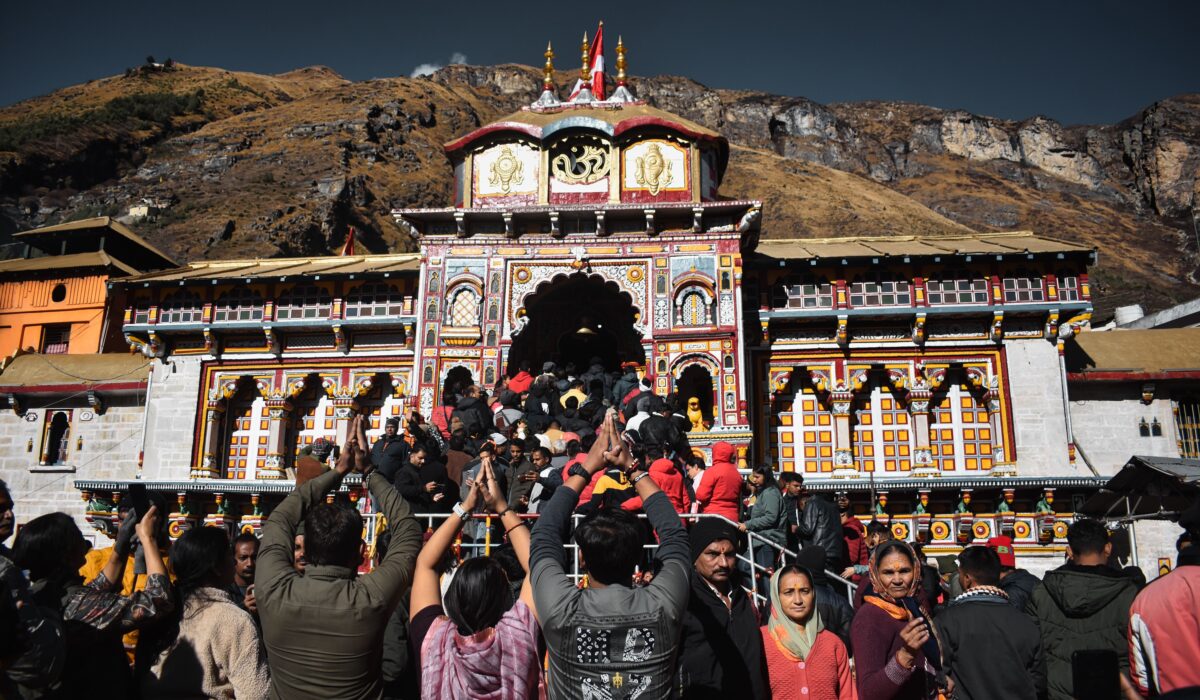
Embarking on a spiritual journey doesn’t necessitate a lavish expenditure; this Budget Badrinath Yatra Guide is designed to help you navigate the revered pilgrimage to Badrinath Dham with mindful spending and maximum spiritual enrichment. Many aspiring pilgrims worry about the financial commitment, but with strategic planning, a profound experience awaits without compromising your financial wellness. We’ll unveil the secrets to a truly value-driven yatra, ensuring every aspect of your trip is thoughtfully considered for optimal value.
Quick Answer: A budget trip to Badrinath is feasible using public transport, dharamshalas (₹500-₹1500/night), and local dhabas (₹100-₹250/meal). A 5-day solo trip can cost ₹5,000-₹9,000, excluding travel to Rishikesh/Haridwar, maximizing spiritual experience with minimal expenditure.
What is a Realistic Budget for Your Badrinath Yatra?
A realistic budget for your Badrinath Yatra, focusing on a value-driven experience, typically falls between ₹8,000 to ₹14,000 per person for a 6-day trip from Delhi, encompassing shared transport, basic accommodation, and meals at local eateries, according to a May 2026 travel blog. This thoughtful investment covers the essentials, allowing you to focus on the spiritual journey. What most people miss is that a significant portion of the cost is travel to and from the starting points like Rishikesh or Haridwar.
Planning your Badrinath trip cost requires a granular look at each expense category. Accommodation and transport are often the primary variables, and optimizing these can significantly reduce your overall expenditure. For instance, prioritizing public transport over private vehicles is a cornerstone of any effective Budget Badrinath Yatra Guide.
The total number of pilgrims visiting all four Dhams in the first 25 days of the 2026 season was over 1.26 million, with Badrinath accounting for 324,081, highlighting the enduring popularity of this pilgrimage destination. This influx of visitors means services are well-established, offering a range of price points for every discerning traveler.
A solo pilgrim can anticipate a 5-day trip costing approximately ₹5,000-₹9,000, excluding the journey to Rishikesh or Haridwar. This estimate factors in judicious choices for lodging and dining, ensuring a profound spiritual immersion without overspending.
Cheapest Ways to Reach Badrinath (from Delhi, Haridwar)
The cheapest way to reach Badrinath from Delhi or Haridwar involves utilizing public transportation, primarily government and private buses, which offer an excellent value proposition for your Budget Badrinath Yatra Guide. These services provide direct routes or convenient connections, making your journey both economical and efficient. Government buses operated by Uttarakhand Transport Corporation (UTC) and private buses run by Garhwal Motor Owners Union (GMOU) are reliable choices, departing regularly from Rishikesh ISBT and Haridwar.
For a truly value-driven journey, consider the efficiency of these public services. GMOU and UTC buses are the backbone of public transport to Badrinath, providing a consistent and economical travel option. A typical bus fare from Rishikesh to Joshimath (the last major stop before Badrinath) can be a fraction of private taxi costs.
From Joshimath, shared taxis or local buses frequently operate to Badrinath, covering the remaining distance. This multi-leg approach, while requiring more transfers, offers substantial savings, making it a pivotal strategy for any Budget Badrinath Yatra Guide.
Step 1: Plan Your Journey to Rishikesh or Haridwar
Your journey to Badrinath begins with reaching Rishikesh or Haridwar, which serve as crucial transit hubs. Opt for overnight trains or long-distance buses from Delhi to these cities, as they typically present the most cost-effective travel solutions. Booking in advance can secure even more favorable rates, transforming your initial travel investment into a smart saving.
Step 2: Utilize Public Buses to Joshimath and Badrinath
From Rishikesh or Haridwar, board a GMOU or UTC bus heading towards Joshimath. These buses are known for their regularity and competitive pricing. Upon arrival in Joshimath, easily find shared taxis or local buses for the final leg to Badrinath, ensuring your public transport Badrinath experience remains seamless and economical.
Here’s a comparison of common transportation options for your Budget Badrinath Yatra Guide:
| Transport Option | Pros | Cons | Estimated Cost (Rishikesh to Badrinath, one-way) |
|---|---|---|---|
| UTC/GMOU Bus | Most economical, regular service | Longer travel time, less comfort | ₹400-₹700 (May 2026) |
| Shared Taxi (Jeep) | Faster than bus, more flexible | Slightly higher cost, less space | ₹800-₹1,200 (May 2026) |
Finding Budget Accommodation: Dharamshalas & Guesthouses
Finding budget accommodation for your Badrinath Yatra is straightforward by prioritizing dharamshalas and local guesthouses, which offer comfortable stays at a fraction of hotel prices, making them a cornerstone of any truly effective Budget Badrinath Yatra Guide. These establishments provide essential amenities, ensuring a restful night without overspending on lodging. Budget accommodations near the Badrinath temple range from ₹500 to ₹1,500 per night, as stated in an April 2026 travel guide.
The Badrinath Temple Committee (BKTC) operates its own dharamshala, offering some of the most economical accommodation options, including basic dormitory and private rooms. This is an ideal choice for devout pilgrims who prioritize proximity to the temple and spiritual focus over luxurious amenities.
Step 3: Secure Budget Accommodation
Dharamshala booking Badrinath is best done upon arrival or through direct contact, as many do not have extensive online booking systems. Look for options like the GMVN Tourist Rest House, a government-run establishment known for its clean, well-maintained rooms at a reasonable investment, typically starting around ₹1,000-₹1,500 per night, according to June 2026 data.
A smart investment in your comfort involves selecting accommodations that are clean, safe, and conveniently located. While luxury hotels offer extensive services, dharamshalas provide a unique communal atmosphere that many pilgrims find deeply enriching, aligning perfectly with the spirit of a Budget Badrinath Yatra Guide.
The cheapest months to stay in Badrinath are typically July to August and December, while prices are moderately higher in May to June and September, according to May 2026 data. Planning your visit during these periods can lead to substantial savings on your stay.
Eating on a Budget: Local Dhabas & Free Langar
Eating on a budget during your Badrinath Yatra is easily achievable by frequenting local dhabas and seeking out free langar, which provide nourishing, authentic meals at minimal or no cost, forming an integral part of any comprehensive Budget Badrinath Yatra Guide. These local eateries are not just about savings; they offer a taste of genuine regional cuisine, prepared with local ingredients and traditional methods. The average cost per meal at a dhaba or small restaurant in Badrinath is between ₹100-₹250, according to a June 2026 travel guide.
Embracing the local culinary scene is a practical and delightful way to manage your Badrinath food cost. Dhabas like Saket Restaurant, located near the Temple Bridge, are renowned for excellent parathas and stunning views, offering a memorable dining experience without a hefty price tag.
Step 4: Eat Smart at Local Dhabas
Seek out establishments like Khaira Punjabi Dhaba or Uss Da Dhaba, both celebrated for their delicious and inexpensive Punjabi cuisine. These spots are local favorites and provide hearty meals perfect for sustaining you through your pilgrimage. A key insight here is that these local spots often offer more authentic flavors than larger, tourist-centric restaurants.
Many temples and community organizations, especially during peak yatra season, organize *langar* (community kitchens) where free meals are served to pilgrims. In practice, asking locals or fellow pilgrims is the best way to discover these invaluable resources, adding another layer of value to your Budget Badrinath Yatra Guide.
These community meals are not only a significant cost-saving measure but also an opportunity to experience the spirit of selfless service inherent in the pilgrimage. Embracing these options ensures your sustenance is both economical and spiritually aligned.
Essential Pre-Yatra Preparation for Budget Travelers
Essential pre-yatra preparation for budget travelers involves meticulous packing and health considerations to ensure a comfortable and safe journey without incurring unexpected expenses, a vital component of a successful Budget Badrinath Yatra Guide. This proactive approach minimizes the need for costly last-minute purchases at higher altitudes, where prices can be inflated. Preparing adequately for the unique conditions of the Himalayas is paramount.
What most people overlook is the importance of packing versatile, warm clothing suitable for fluctuating mountain weather. Temperatures in Badrinath can drop significantly, even during warmer months. Packing layers, including thermal wear, a good quality jacket, and waterproof outer shell, is a smart investment.
Step 5: Pack Essentials for Altitude
Pack a compact first-aid kit with basic medications for headaches, colds, and digestive issues, alongside any personal prescriptions. Crucially, carry a reusable water bottle to avoid buying expensive bottled water and minimize plastic waste. Sunscreen, sunglasses, and a wide-brimmed hat are also essential for protection against strong UV rays at high altitudes.
For your Budget Badrinath Yatra Guide, registering for the yatra beforehand is a non-negotiable step. As of June 2, 2026, over 45.31 lakh devotees have registered for the Char Dham and Hemkund Sahib yatra, with Badrinath alone accounting for 13.48 lakh registrations, as reported by Daily Pioneer. This registration helps manage pilgrim flow and ensures your journey is documented.
Acclimatization is key to a healthy high-altitude experience. Plan a gradual ascent with overnight stays at lower altitudes like Joshimath to allow your body to adjust, preventing altitude sickness and avoiding potential medical costs. This thoughtful planning is an investment in your well-being.
Maximize Savings: Off-Season Travel & Combined Itineraries
Maximizing savings for your Budget Badrinath Yatra Guide can be significantly achieved by opting for off-season travel and thoughtfully combining your itinerary with other nearby attractions, offering a more serene and economical pilgrimage experience. Traveling during the shoulder seasons, particularly September to October, presents notable advantages in terms of both cost and crowd management. The cheapest months to stay in Badrinath are typically July to August and December, while prices are moderately higher in May to June and September, according to May 2026 data.
Off-season travel means reduced demand for accommodations and transport, translating into more favorable pricing. The post-monsoon period in September and October often brings clear skies, lush landscapes, and a tranquil atmosphere, enhancing the spiritual journey. This can be a game-changer for your Badrinath trip cost.
Step 6: Explore Off-Season Advantages
Consider visiting during the latter part of the yatra season, particularly after the peak summer rush. Not only will you find better rates for dharamshalas and shared taxis, but you’ll also experience fewer crowds at the temple, allowing for a more intimate spiritual connection. This strategic timing is a core element of a truly intelligent Budget Badrinath Yatra Guide.
Another excellent strategy for a value-driven experience is to integrate your Badrinath trip with other nearby budget-friendly destinations. Mana Village, often referred to as India’s last village, is just a few kilometers from Badrinath and offers unique cultural insights and scenic beauty at minimal additional cost. Exploring Mana Village on a budget is easily done via a short local taxi ride or even a walk.
Combining your Badrinath journey with other segments of the Char Dham yatra, such as a Do Dham Yatra package, can also be structured to be cost-effective. Look for tour operators like ChardhamYatri.com, which offers group tours under ₹10,000, reducing individual expenses, according to March 2026 information. This curated approach ensures a comprehensive spiritual journey within a considered investment.
Tips for a Spiritual & Affordable Badrinath Yatra
For a truly spiritual and affordable Badrinath Yatra, focus on embracing the simplicity of the pilgrimage, engaging with local culture, and leveraging community resources, which collectively enrich your experience while minimizing expenditure. The essence of this journey lies in devotion, not extravagance. “The Char Dham Yatra is one of the most significant spiritual journeys in the country,” states Anoop Nautiyal of SDC Foundation (May 2026), emphasizing its profound importance beyond material comforts.
A truly value-driven pilgrimage involves more than just cutting costs; it’s about optimizing the spiritual return on your investment. Participating in temple rituals, attending aartis, and spending time in quiet contemplation at the Badrinath Temple are all free and deeply enriching experiences. This aligns perfectly with the ethos of a Budget Badrinath Yatra Guide.
Step 7: Find Free Spiritual Experiences
Engage with fellow pilgrims and locals; they often share invaluable insights, tips for finding free langars, or even offer shared rides for short distances. This communal spirit is a hallmark of the yatra and provides a rich, authentic experience. Embrace the opportunity to connect with the divine and the community around you, making every moment count.
Carrying a basic travel kit, including reusable bags, a power bank, and personal toiletries, further reduces incidental purchases. This foresight is a small investment that yields significant savings over the course of your journey, ensuring your Budget Badrinath Yatra Guide remains on track.
Remember, the journey itself is as significant as the destination. Every step, every interaction, and every moment of reflection contributes to the spiritual tapestry of your Badrinath pilgrimage. Focus on these profound elements, and your journey will be rich beyond measure, regardless of the financial investment.
Frequently Asked Questions
How much does a Badrinath trip cost?
A budget Badrinath trip from Delhi can cost approximately ₹8,000 to ₹14,000 per person for a 6-day journey, covering shared transport, basic guesthouse accommodation, and meals at local dhabas, according to a May 2026 travel blog. This curated investment focuses on value, utilizing public transport and economical lodging options. Planning for a slightly higher range allows for unexpected expenses.
What are the best places to stay in Badrinath?
The best places to stay in Badrinath for a value-driven trip include dharamshalas operated by the Badrinath Temple Committee (BKTC) and government-run GMVN Tourist Rest Houses. These options provide clean, essential accommodation, with rooms typically ranging from ₹500 to ₹1,500 per night, as stated in an April 2026 travel guide. Prioritizing proximity to the temple and basic comfort is key.
Can I visit Badrinath without a car?
Yes, you can absolutely visit Badrinath without a private car by utilizing public transportation options like GMOU and UTC buses. These services operate regularly from Rishikesh and Haridwar to Joshimath, with connecting shared taxis or local buses to Badrinath, making it a perfectly feasible and cost-effective journey. This method is a primary recommendation for a Budget Badrinath Yatra Guide.
What is the cheapest way to do a Badrinath yatra from Delhi?
The cheapest way to undertake a Badrinath yatra from Delhi involves a multi-modal approach: taking a train or bus to Rishikesh/Haridwar, then connecting via UTC or GMOU buses to Joshimath, and finally using shared taxis or local buses to Badrinath. This strategy significantly reduces your Badrinath trip cost from Delhi, ensuring a value-driven spiritual journey.
What is the Badrinath tour package price?
Badrinath tour package prices vary widely, but budget-friendly options, especially group tours, can be found under ₹10,000, including transport and basic accommodation, according to ChardhamYatri.com (March 2026). These packages offer a structured, yet considered, investment for pilgrims seeking a guided experience without excessive costs. Always scrutinize what is genuinely included versus what is merely listed, as advised by travel blogger Tanya Prasad (May 2026).
Embarking on a pilgrimage to Badrinath is a profoundly enriching experience that doesn’t require a substantial financial outlay. By thoughtfully planning your travel, choosing value-driven accommodations, savoring local cuisine, and embracing the spiritual essence of the journey, you can curate an unforgettable Budget Badrinath Yatra Guide. Let Perfect Planners assist you in crafting a personalized, cost-effective itinerary that aligns with your spiritual aspirations and ensures every moment is a cherished memory. Begin your sacred journey with smart choices today.
Leave a Reply
You must be logged in to post a comment.