Key Takeaways
- Badrinath received 428,973 pilgrims in the first month of the 2026 Char Dham Yatra, according to the SDC Foundation (2026).
- The Badrinath temple typically operates from late April/early May to November due to extreme winter weather.
- A daily registration cap of 20,000 pilgrims is set for Badrinath by the Uttarakhand Tourism Department (2026).
- Approximately 58% of Do Dham Yatra pilgrims are first-time Himalayan travelers, as revealed by a leading hospitality analytics firm (2025).
- Over 60-65% of spiritual travelers now prefer compact 5-7 day itineraries, a shift from pre-pandemic trends.
Planning a pilgrimage to the sacred Badrinath Dham can feel overwhelming, but with this **Complete Badrinath Travel Guide**, you’ll navigate every aspect of your journey with ease and confidence. We’ll cover everything from planning your itinerary to choosing the best accommodation, ensuring your spiritual quest is both fulfilling and safe. This guide ensures you’re fully prepared for an unforgettable experience in the Himalayas.
Quick Answer: Badrinath, a sacred Hindu pilgrimage site in the Himalayas, is accessible by road or helicopter and typically open from late April to November. It’s renowned for the Badrinath Temple, Tapt Kund, and Mana Village, offering a blend of spiritual devotion and breathtaking mountain scenery.
Planning Your Badrinath Yatra: Essential Steps
Successful planning for your Badrinath yatra involves meticulous attention to itinerary, health, and logistics to ensure a smooth and reverent experience. The key insight here is that anticipating potential challenges, especially with high-altitude travel, transforms a good trip into an exceptional one. This **Complete Badrinath Travel Guide** emphasizes preparedness.
Step 1: Plan Your Itinerary & Duration
Carefully planning your itinerary and determining the appropriate duration is crucial for a comfortable and enriching pilgrimage. Most spiritual travelers now prefer compact itineraries lasting 5-7 days, a shift from pre-pandemic trends, according to the Uttarakhand Tourism Development Board (2025). This allows for deep engagement without excessive travel fatigue.
* Consider acclimatization: Especially if you’re traveling from lower altitudes, incorporating an acclimatization day in a place like Joshimath is highly recommended before ascending to Badrinath.
* Factor in travel time: Road conditions in the Himalayas can be unpredictable, so allocate buffer days.
* Personal preferences: Do you want a quick darshan or more time for local exploration and spiritual reflection? Your **Complete Badrinath Travel Guide** should reflect this.
Step 2: Arrange Travel & Accommodation
Arranging your travel and accommodation well in advance is paramount, especially during peak pilgrimage seasons, to secure preferred options and avoid last-minute stress. Senior citizens and family groups constitute over 45% of bookings for the Do Dham Yatra, highlighting the need for comfortable and accessible arrangements. This **Complete Badrinath Travel Guide** advises early booking.
* Road travel: Options range from private taxis to shared jeeps and state-run buses.
* Helicopter services: For a swift and luxurious journey, consider services like Pawan Hans, which offers convenient transfers, significantly reducing travel time. Learn more about the Chardham Yatra Helicopter Booking Process.
* Accommodation: Book your stays in advance, particularly in Badrinath where options can fill up quickly.
When is the Best Time to Visit Badrinath?
The best time to visit Badrinath is generally from **late April/early May to November**, as this is when the temple officially opens and weather conditions are most favorable for travel. The Badrinath temple typically opens from late April/early May to November each year, closing during winter due to extreme weather, according to Incredible India. This window ensures accessibility and a more pleasant experience for your **Complete Badrinath Travel Guide**.
* May-June: These months offer pleasant weather, ideal for pilgrimage, though it’s also the peak season with larger crowds.
* September-October: Post-monsoon, the weather is crisp, skies are clear, and the views are breathtaking, making it another excellent period for your **Complete Badrinath Travel Guide**.
* Monsoon (July-August): While the landscape is lush, heavy rainfall can lead to landslides and road closures, making travel risky.
How to Reach Badrinath: Road, Air, and Helicopter Options
Reaching Badrinath involves navigating diverse Himalayan terrain, with options ranging from scenic road journeys to swift helicopter transfers, each offering a unique travel experience. Badrinath Dham sits at an elevation of 3,133 meters (10,279 feet) above sea level, making road travel a significant part of the journey. This **Complete Badrinath Travel Guide** outlines your choices.
Road Travel
Road travel is the most common way to reach Badrinath, offering pilgrims a chance to witness the majestic Garhwal Himalayas. The journey typically begins from Rishikesh or Haridwar, traversing winding mountain roads.
* Bus services: GMVN (Garhwal Mandal Vikas Nigam) operates regular bus services to Badrinath during the yatra season.
* Private taxis: For comfort and flexibility, hiring a private taxi is a popular choice, allowing for stops and a personalized pace.
* Key routes: The route often passes through Devprayag, Rudraprayag, Karnaprayag, Chamoli, and Joshimath before reaching Badrinath.
Helicopter Travel
Helicopter travel provides a significantly faster and more luxurious alternative, bypassing long road journeys and offering unparalleled aerial views of the Himalayas. Many prefer this for a quicker **Complete Badrinath Travel Guide** experience.
* Operators: Pawan Hans is a prominent helicopter service provider offering flights to Badrinath, often departing from Phata or Guptkashi.
* Benefits: This option is especially beneficial for senior citizens, those with time constraints, or pilgrims seeking a premium experience.
* Booking: It’s essential to book helicopter services well in advance, as demand is high, particularly during peak season. Discover the best time to book your Chardham Helicopter.
Is Char Dham Registration Mandatory for Badrinath?
Yes, Char Dham registration is **mandatory** for Badrinath and all other Char Dham shrines, serving as a crucial safety measure and a way to manage pilgrim flow. The Uttarakhand Tourism Department sets a daily registration limit of 20,000 pilgrims for Badrinath (2026), underscoring the importance of this process. This **Complete Badrinath Travel Guide** urges early registration.
Step 3: Complete Char Dham Registration
Completing your Char Dham registration is a non-negotiable step that ensures your journey is tracked and regulated, contributing to overall safety and crowd management. This digital registration system was implemented to enhance pilgrim safety and provide essential data for logistics.
* Online registration: The most convenient method is to register online via the official Uttarakhand Tourism Development Board website.
* Offline registration: Registration counters are also available at various points like Haridwar, Rishikesh, and Joshimath, but these can involve queues.
* Required documents: Typically, you’ll need a valid ID proof (Aadhaar Card, Voter ID, Passport) and a mobile number for OTP verification.
How Many Days Are Enough for a Badrinath Trip?
A typical Badrinath trip, encompassing travel from a major base like Haridwar or Rishikesh, can be comfortably completed in **3 to 5 days**, depending on your chosen mode of transport and desired exploration. Over 60-65% of spiritual travelers now prefer compact itineraries lasting 5-7 days, according to the SDC Foundation (2025), indicating a preference for efficient yet fulfilling journeys. This **Complete Badrinath Travel Guide** suggests balancing pilgrimage with local experiences.
* Short trip (3 days): Ideal for those utilizing helicopter services or traveling directly to Joshimath, focusing primarily on the Badrinath Temple darshan.
* Standard trip (4-5 days): Allows for road travel, an acclimatization stop in Joshimath, a comprehensive Badrinath darshan, and exploration of nearby Mana Village.
* Extended trip (6-7 days): Perfect for incorporating other local attractions like Vasudhara Falls, experiencing local Garhwali cuisine, or combining it with a visit to Kedarnath for a Do Dham Yatra.
Exploring Badrinath: Top Attractions & Local Experiences
Beyond the revered Badrinath Temple, the region offers a wealth of natural beauty and cultural insights, inviting pilgrims to deepen their connection with the Himalayas and its unique heritage. Your **Complete Badrinath Travel Guide** isn’t just about the temple; it’s about the entire spiritual landscape.
Step 5: Explore Temple & Nearby Sites
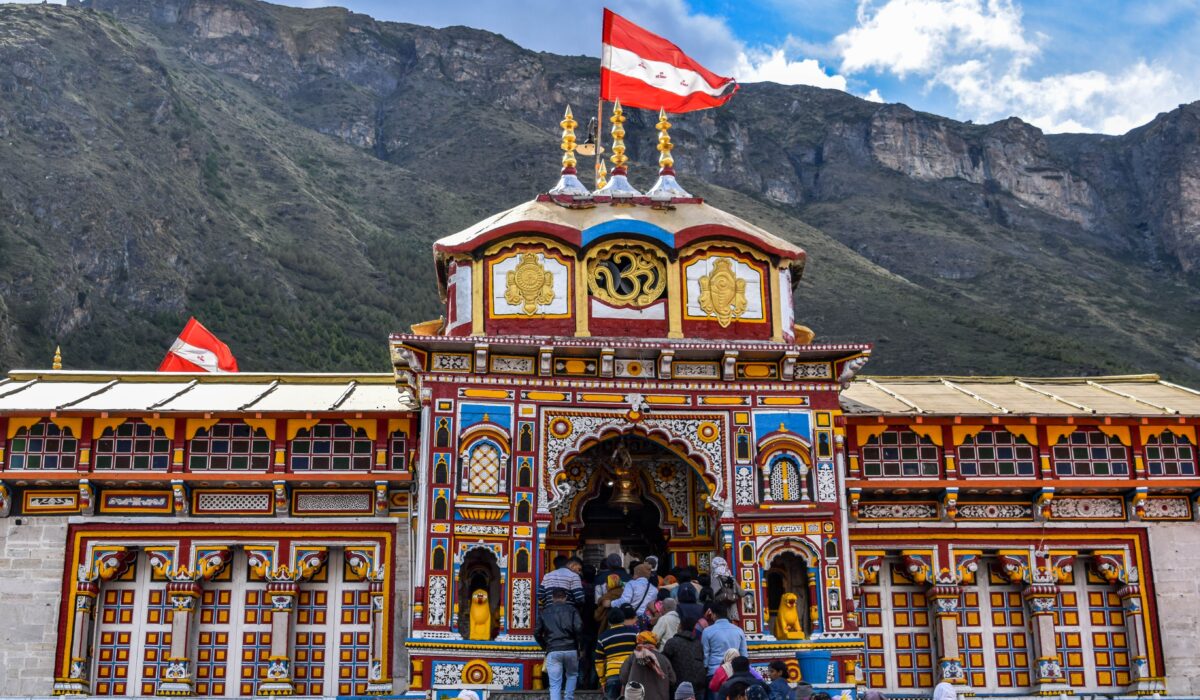
Exploring the Badrinath Temple and its surrounding sacred sites is the spiritual heart of your pilgrimage, offering profound moments of devotion and historical reflection. The temple, dedicated to Lord Vishnu, is one of the holiest Hindu shrines and holds immense significance in the Char Dham Yatra.
* Badrinath Temple: Dedicate ample time for darshan and soaking in the spiritual ambiance. The intricate architecture and serene surroundings are truly captivating.
* Tapt Kund Badrinath: Before entering the temple, pilgrims traditionally take a holy dip in the natural thermal springs of Tapt Kund, believed to have medicinal properties.
* Brahma Kapal: A flat platform near the temple, sacred for performing rituals for ancestors.
* Mana Village: Known as the ‘Last Indian Village’ before the Indo-Tibetan border, Mana Village offers a glimpse into local Garhwali culture, with its unique houses and vibrant traditions. It’s a must-visit in your **Complete Badrinath Travel Guide**.
Local Experiences
Engaging with local experiences provides a richer, more authentic understanding of the region, from its culinary delights to its breathtaking natural wonders. This offers a deeper dimension to your **Complete Badrinath Travel Guide**.
* Vasudhara Falls: A scenic trek from Mana Village leads to Vasudhara Falls, a magnificent waterfall believed to have mythical connections.
* Garhwali cuisine: Sample local Garhwali cuisine, featuring wholesome and flavorful dishes like *Kafuli*, *Phanu*, and *Mandua ki Roti*, often prepared with locally sourced ingredients.
* Shopping: Explore local markets for woolens, religious artifacts, and local handicrafts, supporting the community.
Practical Tips for a Safe & Responsible Badrinath Journey
Ensuring a safe and responsible Badrinath journey requires proactive preparation for high-altitude conditions and a commitment to sustainable tourism practices. Nearly 58% of pilgrims undertaking the Do Dham Yatra are first-time Himalayan travelers, according to a leading Indian hospitality analytics firm (2025), emphasizing the need for comprehensive guidance. This **Complete Badrinath Travel Guide** prioritizes your well-being and the environment.
Step 4: Prepare for High Altitude
Adequate preparation for high altitude is crucial to mitigate the risks of Acute Mountain Sickness (AMS) and ensure a healthy pilgrimage. Badrinath’s elevation of 3,133 meters (10,279 feet) makes acclimatization essential.
* Acclimatization: Spend at least one night in Joshimath acclimatizing before proceeding to Badrinath.
* Hydration: Drink plenty of water and avoid alcohol and caffeine.
* Pace yourself: Avoid strenuous activities immediately upon arrival.
* Consult a doctor: Discuss high-altitude travel with your physician, especially if you have pre-existing medical conditions.
Step 6: Practice Responsible Tourism
Practicing responsible tourism in the Himalayas is vital for preserving its pristine environment and supporting local communities, ensuring the region remains sacred for future generations. This aspect of your **Complete Badrinath Travel Guide** is about giving back.
* Waste management: Carry your own reusable water bottle and dispose of waste responsibly. Avoid plastic.
* Respect local culture: Dress modestly, especially when visiting temples, and respect local customs and traditions in places like Mana Village.
* Support local economy: Purchase goods and services from local vendors and stay in locally run accommodations.
Step 7: Manage Logistics & Safety
Effective management of logistics and prioritizing safety are foundational to a stress-free and secure Badrinath pilgrimage, allowing you to focus on your spiritual journey. “Safety, experienced drivers, and proper hotel arrangements in the mountains are my top priority,” as noted by a TripAdvisor reviewer regarding tour operators.
* Emergency contacts: Keep a list of emergency numbers, including local authorities and your tour operator.
* Connectivity: Mobile network coverage can be sporadic; inform family about your itinerary.
* Weather monitoring: Stay updated on weather forecasts, as conditions can change rapidly in the mountains.
* Travel insurance: Consider travel insurance that covers high-altitude emergencies.
Accommodation & Tour Operators for Your Complete Badrinath Travel Guide
Choosing the right accommodation and a reliable tour operator can significantly enhance your Badrinath experience, offering comfort, convenience, and peace of mind throughout your pilgrimage. Reputable operators like Discover Uttarakhand have over 25 years of experience, ensuring a well-organized and safe journey. This **Complete Badrinath Travel Guide** helps you make informed choices.
Accommodation Options
Badrinath offers a range of accommodation choices, from luxury hotels to budget-friendly guesthouses, catering to diverse preferences and ensuring a comfortable stay. It’s smart to book early, especially for your **Complete Badrinath Travel Guide** during peak season.
* Luxury: Amritara The Avadh provides premium amenities and excellent service, making your stay a refined experience.
* Mid-range: Hotel Snow Crest and Sarovar Portico are popular choices offering comfortable rooms and good facilities.
* Budget-friendly: GMVN guest houses are a reliable option, offering basic yet clean accommodation. Saraswati Retreat, which opened in 2025, also provides a comfortable stay.
Tour Operators
Partnering with an experienced tour operator streamlines logistics, handles registration, and provides expert guidance, making your Badrinath yatra truly seamless. They are invaluable for a stress-free **Complete Badrinath Travel Guide**.
* Trek On India: Offers specialized Kedarnath Yatra Packages and Badrinath Kedarnath Tour Packages, including helicopter options for a comprehensive Do Dham experience.
* Discover Uttarakhand: Consistently ranked as a trusted operator, they are known for their expertise in organizing Himalayan pilgrimages.
* Allseasonsz.com: A well-known local travel agency in Uttarakhand, providing various pilgrimage and tour packages.
Frequently Asked Questions
When does Badrinath temple open in 2026?
The Badrinath temple opened on April 23, 2026, at 6:15 AM, with a tentative closing date of November 13, 2026, according to a travel guide (2026). These dates are determined by astrological calculations and are announced annually by the temple committee. Always verify the exact opening and closing dates closer to your travel period.
Is Char Dham registration mandatory for Badrinath in 2026?
Yes, Char Dham registration is mandatory for Badrinath in 2026, as it is for all Char Dham shrines. The Uttarakhand Tourism Department implemented a daily registration limit of 20,000 pilgrims for Badrinath (2026) to manage crowds and enhance safety. Ensure you complete your registration online or at designated counters before commencing your journey.
How many days are enough for a Badrinath trip?
A Badrinath trip typically requires 3 to 5 days, depending on your starting point and travel preferences. Over 60-65% of spiritual travelers now prefer compact itineraries lasting 5-7 days, according to the SDC Foundation (2025). This allows for travel, darshan, and exploration of nearby sites like Mana Village without feeling rushed.
Can I visit Badrinath without a car?
Yes, you can visit Badrinath without a private car by utilizing public transportation options. GMVN (Garhwal Mandal Vikas Nigam) operates regular bus services from major hubs like Rishikesh and Haridwar. Additionally, shared taxis and helicopter services like Pawan Hans offer viable alternatives for reaching the shrine.
What is the altitude of Badrinath, and is AMS a concern?
Badrinath is situated at an elevation of 3,133 meters (10,279 feet) above sea level, making Acute Mountain Sickness (AMS) a potential concern. It is crucial to allow for acclimatization, perhaps by spending a night in Joshimath, and stay hydrated throughout your journey. Consult your doctor for personalized advice before undertaking high-altitude travel.
Embarking on a pilgrimage to Badrinath is a profoundly spiritual and enriching experience, made effortless with this **Complete Badrinath Travel Guide**. By following these essential steps, preparing diligently, and traveling responsibly, you’re set for an unforgettable journey through the majestic Himalayas. Start planning your divine adventure today and create memories that will last a lifetime.