

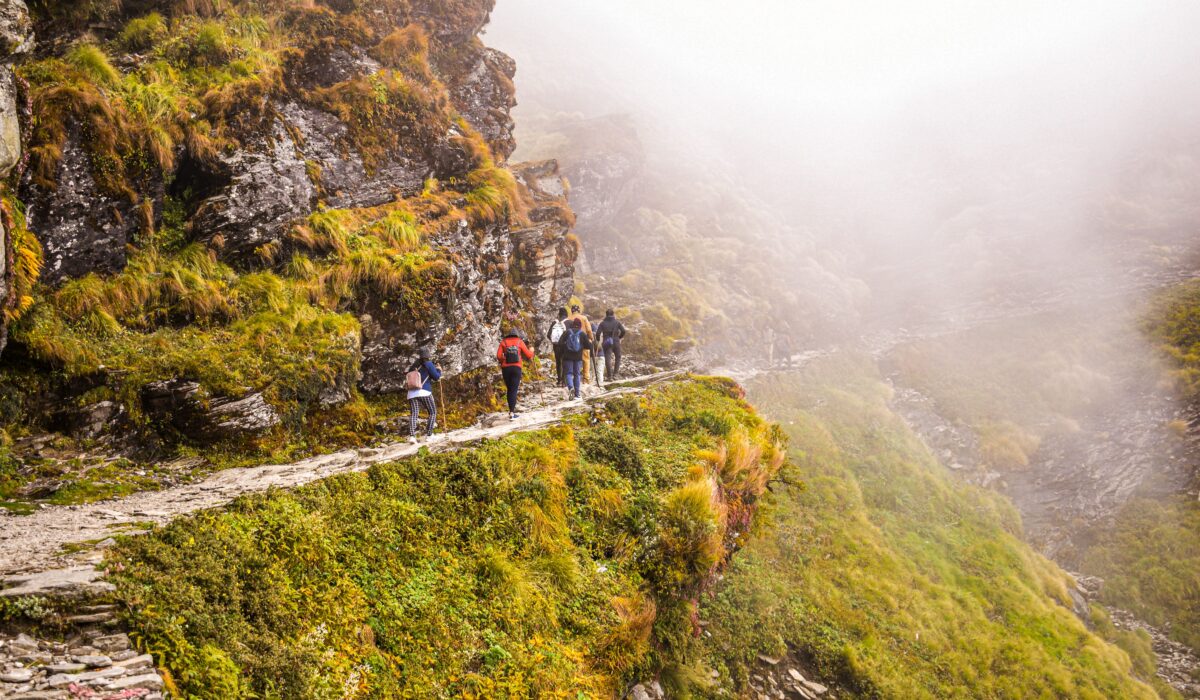
Key Takeaways
- India’s mountain trekking market is projected to grow by 10–20% annually, according to market estimates (2026).
- Indiahikes’ Green Trail Initiative has successfully collected over 100 tonnes of litter from trekking trails (2026).
- Patagonia manufactures 90% of its products in Fair Trade-certified factories, ensuring ethical production (2026).
- Adhering to Leave No Trace principles reduces environmental impact by up to 80% in wilderness areas, research indicates (2025).
- Sustainable tourism pioneer Costas Christ states that “doing well by doing good benefits both the planet and businesses alike” (2026).
Understanding and implementing **Eco-Friendly Trekking Practices** is crucial for preserving the natural beauty of our planet’s most pristine landscapes, especially as more adventurers seek immersive experiences. As Perfect Planners, we recognize the vital role every trekker plays in safeguarding our environment, from the majestic Himalayas to serene mountain trails worldwide. This guide will equip you with the essential knowledge and actionable steps to ensure your adventures leave only footprints, not lasting impacts.
Quick Answer: Eco-friendly trekking involves adhering to Leave No Trace principles: planning ahead, proper waste disposal, staying on trails, respecting wildlife, minimizing campfire impacts, and supporting sustainable tour operators, especially in fragile regions like the Himalayas.
Understanding the Environmental Impact of Trekking in 2026
The environmental impact of trekking can be significant, ranging from litter accumulation and trail erosion to disturbance of wildlife and contamination of water sources, particularly in popular or fragile ecosystems. India’s share of the global mountain-based trekking market is estimated at approximately US$0.08 billion, with an expected annual growth of 10–20% in the coming years, according to industry analyses (2026), meaning more trekkers are exploring these delicate areas. This surge in popularity underscores the urgent need for robust **Eco-Friendly Trekking Practices**.
Without careful adherence to responsible tourism practices, even seemingly small actions can collectively cause substantial damage. High-altitude ecology preservation is especially challenging because ecosystems regenerate slowly; plants can take decades to recover from damage in these zones.
Every piece of non-biodegradable waste left behind, from plastic bottles to food wrappers, can persist for hundreds of years, profoundly altering natural habitats and posing a threat to wildlife.
Trail widening and erosion, often caused by trekkers straying from marked paths, degrades landscapes and can lead to increased runoff and soil instability, especially on steep slopes.
The 7 Essential Principles of Eco-Friendly Trekking
The 7 essential principles of eco-friendly trekking are encapsulated by the “Leave No Trace” philosophy, a widely recognized framework designed to minimize human impact on the outdoors. These principles provide a clear, actionable guide for trekkers to engage in responsible outdoor activities. Studies indicate that adherence to Leave No Trace principles 2026 can reduce human impact on natural environments by up to 80% in various wilderness settings, according to the Leave No Trace Center for Outdoor Ethics (2025). Embracing these **Eco-Friendly Trekking Practices** is non-negotiable for any responsible adventurer.
Step 1: Plan Ahead and Prepare
Always plan your trek thoroughly, researching the area’s regulations, potential hazards, and weather conditions. This preparation helps you make informed decisions, pack appropriate gear, and minimize the need for improvisation that could lead to environmental damage.
Step 2: Dispose of Waste Properly
Pack it in, pack it out—this is the golden rule for waste management trekking. Carry all your trash, including food scraps, back with you, and use designated facilities or dig catholes for human waste at least 200 feet from water sources and trails.
Step 3: Leave What You Find
Resist the urge to collect souvenirs like rocks, plants, or historical artifacts; leave them for others to discover and for the ecosystem to thrive. Allowing natural processes to unfold undisturbed is a core component of **Eco-Friendly Trekking Practices**.
Step 4: Respect Wildlife
Observe wildlife from a distance, never feed animals, and store food securely to prevent attracting them. Disturbing animals can alter their natural behavior patterns and put them at risk.
Step 5: Minimize Campfire Impacts
Use a lightweight stove for cooking whenever possible, and only build campfires in established fire rings or where permitted. Ensure fires are completely out and cold to the touch before leaving, preventing devastating wildfires.
Step 6: Travel and Camp on Durable Surfaces
Stick to existing trails and campsites, even if they’re muddy, to prevent widening paths and damaging vegetation. When choosing a campsite, opt for established sites on durable surfaces like rock or dry grass.
Step 7: Be Considerate of Other Visitors
Respect other trekkers and local residents by keeping noise levels down, yielding to others on the trail, and preserving the tranquility of the wilderness. This consideration contributes to a positive experience for everyone and reinforces the spirit of responsible tourism practices.
How Can You Be More Sustainable While Hiking in 2026?
You can be more sustainable while hiking in 2026 by consciously integrating **Eco-Friendly Trekking Practices** into every aspect of your journey, from transportation choices to daily trail habits. A significant percentage of a trek’s carbon footprint comes from travel to and from the trailhead, making public transport or carpooling a highly impactful choice, according to environmental impact assessments (2025). It’s about making mindful decisions that extend beyond just waste disposal.
Here are some actionable tips to elevate your sustainable hiking efforts:
- Opt for Reusables: Ditch single-use plastics entirely. Carry a reusable water bottle, coffee mug, and food containers.
- Conserve Water: Use minimal water for washing and cooking, and always use biodegradable soap away from water sources.
- Support Local Economies: Purchase supplies and services from local businesses to ensure your spending benefits the community directly.
- Educate Others: Share your knowledge of sustainable hiking tips and Leave No Trace principles with fellow trekkers.
Quick tip: Even small actions, like choosing locally sourced snacks, contribute to a larger network of sustainable tourism practices.
Adopting these habits transforms a simple hike into a powerful statement of commitment to the planet, making every adventure a step towards greater ecological responsibility.
Minimizing Your Carbon Footprint on Trekking Trails
Minimizing your carbon footprint on trekking trails involves making thoughtful choices about your travel, gear, and energy consumption throughout your trip. The transportation sector accounts for a substantial portion of global greenhouse gas emissions, underscoring the importance of reducing your carbon footprint hiking, according to the IPCC (2023). These **Eco-Friendly Trekking Practices** are essential for a truly sustainable adventure.
Consider these strategies to lighten your impact:
- Choose Public Transport: Whenever possible, opt for trains or buses to reach your trekking destination instead of private vehicles or short-haul flights.
- Pack Light: A lighter pack means less energy expended by you and less fuel consumed if you’re using assisted transport like porters or mules.
- Eat Locally Sourced, Plant-Based Foods: Reducing consumption of processed and meat products lowers your food-related carbon emissions significantly.
- Offset Your Emissions: Invest in certified carbon offset programs, though this should be a last resort after actively reducing emissions.
The short answer is, every decision, from the food you eat to how you get to the trailhead, influences your overall environmental impact.
Implementing these strategies demonstrates a deep commitment to **Eco-Friendly Trekking Practices** and helps protect the very landscapes we cherish.
Eco-Friendly Trekking Practices for Himalayan Pilgrimages
**Eco-Friendly Trekking Practices** for Himalayan pilgrimages, such as the sacred Chardham Yatra, require a heightened awareness of high-altitude ecology preservation and culturally sensitive waste management, given the region’s fragility and high visitor numbers. Indiahikes, a leading Indian trekking company, exemplifies this commitment through its “Green Trail Initiative,” which has collected over 100 tonnes of litter from trekking trails, according to their 2026 reports. This shows the immense potential for positive impact.
When embarking on a sustainable pilgrimage Chardham or other responsible hiking Himalayas routes, consider these specific practices:
- Respect Local Customs: Understand and adhere to local traditions, especially concerning sacred sites and disposal of offerings.
- Water Conservation: Water sources are precious and often scarce in the Himalayas. Minimize water use and avoid contaminating streams.
- Proper Human Waste Management: Utilize bio-toilets where available, or follow Leave No Trace guidelines for catholes, burying waste at least 6-8 inches deep and 200 feet from water sources, trails, and campsites.
- Support Community-Led Initiatives: Engage with organizations like Village Ways, whose Managing Director Manisha Pande states, “It begins with selecting places with the potential for low-impact tourism,” emphasizing community involvement in sustainable trekking initiatives.
The Annapurna Conservation Area Project (ACAP) in Nepal is a prime example, requiring trekkers to carry out all non-biodegradable waste, demonstrating effective local governance in managing trekking impact.
For those planning a spiritual journey, reviewing Chardham Yatra 2026 Packages that prioritize these **Eco-Friendly Trekking Practices** is a wise investment.
Choosing Sustainable Gear and Tour Operators for 2026
Choosing sustainable gear and tour operators for 2026 is a critical step in adopting comprehensive **Eco-Friendly Trekking Practices**, as your purchasing decisions directly influence industry standards and environmental stewardship. Charlotte Cross, a lifestyle writer, advises that “choosing to purchase sustainable and eco-friendly hiking gear supports and encourages sustainability within the field,” highlighting consumer power (2025). This extends beyond just what you wear to who you travel with.
Here’s how to make informed choices:
| Category | Sustainable Choice | Impact |
|---|---|---|
| Gear & Apparel | Patagonia, Houdini Sportswear, Cotopaxi | Patagonia produces 90% of its products in Fair Trade-certified factories (2026). Houdini Sportswear reported 40% recycled materials as of 2022. Cotopaxi aims for 100% recycled, repurposed, or responsibly sourced materials by 2025. These brands exemplify ethical outdoor gear. |
| Tour Operators | Beyond Green Travel, Village Ways, Indiahikes | Seek operators with clear environmental policies, local community engagement, and Leave No Trace training for staff and clients. Costas Christ, founder of Beyond Green Travel, asserts that “doing well by doing good benefits both the planet and businesses alike” (2026), reinforcing the business case for eco-tourism principles 2026. |
Investing in high-quality, durable gear, even if it’s a considered purchase, reduces the need for frequent replacements, thereby minimizing waste.
For insights on essential equipment, check out our Trekking Shoes Buying Guide India: Ultimate 2026 Picks, ensuring your footwear aligns with **Eco-Friendly Trekking Practices**.
Supporting Local Communities and Conservation Efforts
Supporting local communities and conservation efforts is an integral part of **Eco-Friendly Trekking Practices**, ensuring that tourism benefits the people and places trekkers visit, fostering a sustainable ecosystem for future generations. Ashish Sanghrajka, President of Big Five Tours & Expeditions, notes that “Sustainable travel represents the single biggest resistance to these issues,” referring to the impoverishment of local communities when tourism halts (2025). This highlights the symbiotic relationship between tourism and community well-being.
Your impact can be magnified by:
- Hiring Local Guides and Porters: This provides direct economic benefits and invaluable local expertise, enhancing your experience while supporting livelihoods.
- Purchasing Local Crafts and Produce: Buying directly from artisans and farmers ensures money stays within the community, fostering economic resilience.
- Donating to Local Conservation Projects: Contribute to organizations dedicated to preserving the specific environment you’re enjoying, such as those focused on high-altitude ecology preservation.
Eco Camp Patagonia in Chile provides an excellent example of sustainable infrastructure, using geodesic domes constructed from locally sourced materials and equipped with solar panels and rainwater harvesting, demonstrating how businesses can seamlessly integrate with the environment.
Engaging with local communities responsibly means respecting their culture and traditions, ensuring your presence is a positive force for both people and nature, truly embodying the spirit of **Eco-Friendly Trekking Practices**.
Frequently Asked Questions
What are the 7 principles of eco-tourism?
The 7 principles of eco-tourism often align closely with Leave No Trace guidelines, emphasizing minimizing impact, respecting local cultures, and supporting conservation efforts. These principles guide sustainable tourism practices to protect natural and cultural heritage, according to the Global Sustainable Tourism Council (2024). Ultimately, they ensure your adventure contributes positively to the destination.
How can I be more sustainable while hiking?
You can be more sustainable while hiking by strictly adhering to the Leave No Trace principles, which include proper waste disposal and staying on durable surfaces. Carrying reusable items and choosing public transport to the trailhead significantly reduces your environmental footprint, according to environmental impact studies (2025). Every small, conscious choice contributes to a larger positive impact.
What is the environmental impact of trekking?
The environmental impact of trekking includes trail erosion, litter accumulation, water pollution, and disturbance to wildlife, especially in fragile ecosystems. India’s trekking market is projected to grow by 10–20% annually, increasing the potential for negative impact if **Eco-Friendly Trekking Practices** are not followed, according to market analyses (2026). This necessitates careful planning and responsible behavior from all trekkers.
How can I reduce my carbon footprint while hiking?
You can reduce your carbon footprint while hiking by prioritizing public transportation to the trailhead, packing light to minimize energy consumption, and consuming locally sourced, plant-based foods. Choosing sustainable gear from brands like Patagonia, which produces 90% of its goods in Fair Trade-certified factories, further reduces your impact, according to their 2026 reports. These choices collectively contribute to a lower overall environmental burden.
What is responsible tourism practice?
Responsible tourism practice involves minimizing negative economic, environmental, and social impacts while generating greater economic benefits for local people and enhancing the well-being of host communities. It also means making positive contributions to the conservation of natural and cultural heritage, as advocated by organizations like Beyond Green Travel (2026). This holistic approach ensures tourism is a force for good.
Embracing **Eco-Friendly Trekking Practices** is not merely an option; it’s a responsibility we all share as stewards of the natural world. By consciously applying Leave No Trace principles, supporting sustainable businesses, and respecting local communities, you transform your adventure into a positive force for preservation. Let’s ensure our love for the outdoors leaves a legacy of pristine trails and thriving ecosystems for generations to come. Plan your next unforgettable journey with Perfect Planners, and let’s trek responsibly together.