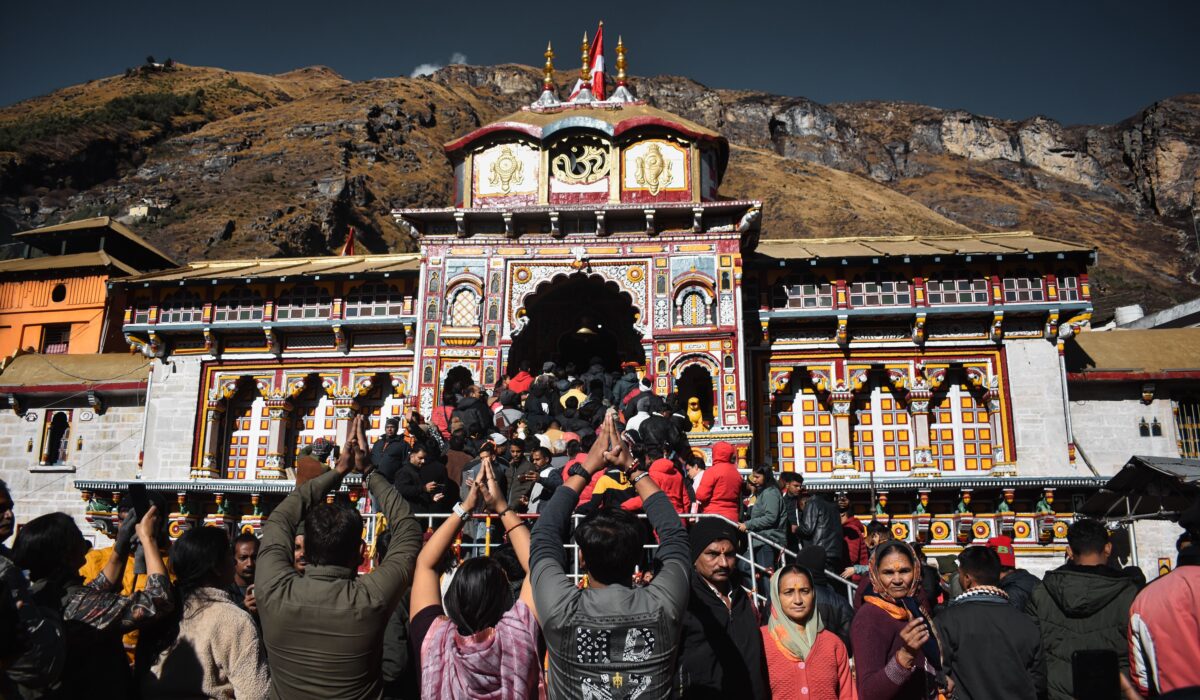
Key Takeaways
- Badrinath Temple, dedicated to Lord Vishnu, is situated at an elevation of approximately 3,100 meters (10,170 feet), according to Uttarakhand Tourism (2026).
- The temple typically opens in April/May and closes in October/November, remaining inaccessible during winter due to heavy snowfall.
- Pilgrims must register online via the official Tourist Care Uttarakhand portal to receive a QR-based Yatra pass (March 2026).
- Over 1.26 million pilgrims visited the four dhams by May 13, 2026, with Badrinath accounting for 324,081, according to official government data (2026).
- Altitude sickness medication like Diamox (with doctor consultation) and warm layers are essential for the high-altitude pilgrimage.
Planning your sacred journey to the Himalayas requires careful thought, and understanding the **Things to Know Before Badrinath Yatra** is the first step towards a truly enriching experience. This ultimate guide from Perfect Planners will meticulously prepare you for every aspect of your pilgrimage, ensuring a smooth and spiritually profound adventure.
Quick Answer: Pilgrims must register online, pack warm layers, comfortable shoes, and high-altitude medicines before visiting Badrinath. The temple operates May-Oct. Prepare for crowds and sacred rituals like Tapt Kund bathing.
What is the Best Time to Visit Badrinath Temple?
The best time to visit Badrinath Temple is typically between May and October, as this is when the temple is accessible and the weather conditions are most favorable for pilgrims. The Badrinath Temple usually opens around April and closes in October/November, remaining inaccessible during winter due to heavy snowfall, according to Uttarakhand Tourism (2026). You’ll find that the peak season often falls in May-June and September-October, offering a comfortable climate for your Badrinath Yatra.
What most people miss is that while these months are ideal, the shoulder seasons can offer a more serene experience with fewer crowds. For instance, the SDC Foundation reported a lower initial turnout in the first week of Char Dham Yatra 2026 compared to previous years, which authorities attributed to better planning and earlier commencement of the yatra (April 2026). This indicates that early May or late October could be a considered choice for a more tranquil pilgrimage.
* May to June: Pleasant weather, but also the busiest period, so expect significant crowds and higher accommodation costs.
* July to August: Monsoon season, which brings lush greenery but also the risk of landslides and road closures, making travel challenging.
* September to October: Post-monsoon period offers clear skies, crisp air, and stunning views, making it another highly sought-after time for the Badrinath Yatra.
Understanding these seasonal nuances is one of the key Things to Know Before Badrinath Yatra, allowing you to tailor your trip to your preferences. The Badrinath Temple opening dates are announced annually by the Badrinath-Kedarnath Temple Committee (BKTC) on Basant Panchami.
How to Prepare for Your Badrinath Yatra?
Preparing for your Badrinath Yatra involves a holistic approach, encompassing physical fitness, mental readiness, and meticulous logistical planning. The government has made comprehensive arrangements for the Char Dham Yatra, a commitment emphasized by Hemant Dwivedi, President of the Badri-Kedar Temple Committee (May 2026). This foundational preparation is among the most crucial Things to Know Before Badrinath Yatra.
Your physical fitness is paramount given the high altitude and sometimes challenging terrain. We recommend starting a regimen of light exercise, like walking or jogging, several weeks before your journey to build stamina. It’s a small investment that pays dividends in comfort and safety.
Here are essential preparation tips:
- Health Check-up: Consult your doctor for a full check-up, especially if you have pre-existing conditions. Discuss high-altitude travel and necessary medications.
- Physical Conditioning: Engage in regular walks and light cardio to improve your endurance for the Badrinath pilgrimage route.
- Mental Readiness: The yatra is a spiritual journey; prepare for unforeseen delays or challenges with patience and an open mind.
- Research Accommodation: Secure your stays in advance, particularly during peak season, to ensure a comfortable experience. You might consider exploring options from our guide on Best Badrinath Hotels.
These proactive steps are vital Things to Know Before Badrinath Yatra to ensure a fulfilling and safe pilgrimage.
Essential Things to Carry for Badrinath Pilgrimage
Packing smartly for your Badrinath pilgrimage is critical due to the unpredictable mountain weather and high altitude. Specific recommendations include carrying thermal wear, waterproof jackets, trekking shoes, a first-aid kit, and a power bank, as highlighted in various travel guides (December 2025). This curated selection of items forms an integral part of the Things to Know Before Badrinath Yatra.
The weather in Badrinath can change rapidly, with sunny mornings giving way to chilly evenings or sudden rain. Layering is your best strategy. Think about quality, durable items that will withstand the mountain environment – this isn’t the place for cutting corners on comfort or safety.
| Category | Essential Items | Why They’re Important |
|---|---|---|
| Clothing | Thermal wear, woolens, waterproof jacket, gloves, caps | Protection against cold and rain, especially at 3,100 meters. |
| Footwear | Comfortable, waterproof trekking shoes, extra socks | Navigating varied terrain; keeping feet dry and warm. |
| Health & Safety | Personal first-aid kit, prescribed medicines, Diamox (consult doctor) | Addressing minor ailments and altitude sickness prevention. |
| Documents | ID proof, Yatra registration pass, medical records (copies) | Mandatory for checkpoints and emergencies. |
| Miscellaneous | Power bank, flashlight, reusable water bottle, snacks | Ensuring connectivity, navigation, hydration, and energy. |
Don’t underestimate the need for a good power bank, as electricity can be intermittent, and you’ll want to keep your devices charged for emergencies or capturing memories. These essential Things to Know Before Badrinath Yatra will make your journey significantly more comfortable.
Is Badrinath Yatra Difficult and What About Altitude Sickness?
The Badrinath Yatra can be considered moderately challenging due to its high altitude and mountain terrain, but it is manageable with proper preparation and precautions against altitude sickness. Badrinath Temple is located at an elevation of approximately 3,100 meters (10,170 feet), according to Uttarakhand Tourism (2026), making acclimatization crucial. Understanding these challenges is a key part of the Things to Know Before Badrinath Yatra.
Altitude sickness, or Acute Mountain Sickness (AMS), is a genuine concern at this elevation. Symptoms can range from headaches and nausea to more severe conditions. To mitigate risks, it’s advisable to ascend gradually, stay hydrated, and avoid strenuous activity immediately upon arrival.
* Gradual Ascent: Plan your itinerary to include overnight stays at lower altitudes like Joshimath to allow your body to acclimatize.
* Hydration: Drink plenty of water and avoid alcohol or excessive caffeine, which can contribute to dehydration.
* Medication: Diamox is often recommended for altitude sickness (with doctor consultation), alongside other basic medicines like Crocin/Dolo for fever and Avomine for motion sickness (June 2024). Always consult a doctor before taking any medication.
* Listen to Your Body: Don’t push yourself if you feel unwell. Rest, descend to a lower altitude if symptoms worsen, and seek medical attention.
For those concerned about the difficulty, options like Do Dham Yatra by Road vs Helicopter packages can significantly ease the physical strain, offering a more luxurious and comfortable experience. These are important Things to Know Before Badrinath Yatra for all pilgrims, especially senior citizens or those with health concerns.
Mandatory Registration and Key Documents for Badrinath
Mandatory registration is a non-negotiable requirement for all pilgrims undertaking the Badrinath Yatra, ensuring safety and managing pilgrim flow efficiently. Pilgrims must register online via the official Tourist Care Uttarakhand portal or mobile application to receive a QR-based Yatra pass, which is verified at checkpoints (March 2026). This is one of the most fundamental Things to Know Before Badrinath Yatra.
The online registration process is straightforward and helps authorities track pilgrim numbers, especially given the significant footfall. Pre-registrations for the 2026 Char Dham Yatra reached approximately 17-18 lakh, the highest in its history, demonstrating the importance of this system.
Here’s what you need to know about registration and documents:
- Online Registration: Visit the official Tourist Care Uttarakhand portal (registrationandtouristcare.uk.gov.in) to register. You’ll need to provide personal details, travel dates, and group information.
- QR-based Yatra Pass: Upon successful registration, you’ll receive a unique QR code. This pass is essential and will be checked at various points along the Badrinath pilgrimage route.
- Identification Proof: Carry original and photocopies of a valid government-issued ID (Aadhar Card, Voter ID, Passport).
- Medical Certificate: While not always strictly mandatory, a medical fitness certificate is highly recommended, especially for senior citizens or those with health conditions.
- Emergency Contacts: Keep a list of emergency contacts readily accessible.
The Badrinath-Kedarnath Temple Committee also offers online booking for various pujas, bhogs, paaths, and aartis through their official website, badrinath-kedarnath.gov.in (February 2025), which can enhance your spiritual experience. Ensuring you have all these Things to Know Before Badrinath Yatra in order will prevent any unwelcome surprises.
What is the Dress Code and Temple Etiquette at Badrinath?
The dress code for Badrinath Temple emphasizes modesty and traditional attire, while temple etiquette requires reverence and respect for the sacred space. While there isn’t a universally enforced strict dress code like some South Indian temples, conservative clothing is highly advised to honor the sanctity of the shrine. This is a crucial element among the Things to Know Before Badrinath Yatra to ensure a respectful visit.
Pilgrims are encouraged to wear clean, modest clothing that covers shoulders and knees. Many prefer traditional Indian wear like sarees or salwar kameez for women, and kurtas or trousers for men. This choice reflects a deep respect for the spiritual significance of the temple and its deity, Lord Vishnu.
Key temple etiquette to observe:
* Remove Footwear: Always remove your shoes before entering the temple premises. Designated areas are usually available for shoe storage.
* Silence and Reverence: Maintain silence or speak in hushed tones within the temple. Avoid loud conversations or disruptive behavior.
* Photography: Photography is generally restricted inside the main temple sanctum. Always check for signs or ask temple authorities for guidelines.
* Tapt Kund Bath: It’s customary for pilgrims to take a holy dip in the Tapt Kund, a natural hot spring, before entering the main temple for darshan. Separate bathing areas are available for men and women.
* Offerings: Offerings such as flowers, sweets, and incense are welcome, but avoid plastic or non-biodegradable items to maintain cleanliness.
Adhering to these customs demonstrates your respect for the traditions and the spiritual journey of others. These subtle yet significant Things to Know Before Badrinath Yatra contribute to a more authentic and respectful pilgrimage.
Spiritual Significance and Rituals in Badrinath
Badrinath holds profound spiritual significance as one of the holiest Hindu pilgrimage sites, revered as the abode of Lord Vishnu, and is central to the Char Dham Yatra. The Skanda Purana states, “There are several sacred shrines in heaven, on earth, and in hell; but there is no shrine like Badarinath.” This deep spiritual heritage makes understanding its rituals an essential part of the Things to Know Before Badrinath Yatra.
The temple’s history is intertwined with Adi Shankaracharya, who is believed to have re-established the Badrinath Temple in the 8th century, emphasizing its importance in Hindu dharma. The spiritual energy here is palpable, drawing millions of devotees seeking blessings and spiritual solace. The Char Dham Yatra is indeed “one of the most significant spiritual journeys in the country,” as stated by Anoop Nautiyal of SDC Foundation (May 2026).
Key rituals and spiritual practices:
* Tapt Kund Bath: Pilgrims purify themselves in the natural hot springs of Tapt Kund before entering the temple.
* Darshan of Lord Vishnu: The primary purpose is to have a sacred glimpse (darshan) of the idol of Lord Vishnu, seated in a meditative posture.
* Aarti and Pujas: Witnessing the daily aartis (especially the evening Swarna Aarti) and participating in various pujas offered by the Badrinath-Kedarnath Temple Committee provides a deeply immersive spiritual experience.
* Pind Daan at Brahma Kapal: Many pilgrims perform Pind Daan rituals at Brahma Kapal, a short distance from the temple, for the salvation of their ancestors.
* Visiting Mana Village: Explore Mana, the “last Indian village” before the Tibetan border, which holds mythological connections to the Mahabharata and ancient sages.
These rituals are more than just practices; they are a connection to centuries of devotion and a deeper understanding of the divine. These spiritual Things to Know Before Badrinath Yatra elevate the journey beyond mere travel. You might find our Spiritual Significance of Badrinath Temple guide insightful for a deeper dive.
Planning Your Badrinath Itinerary and Accommodation
Effectively planning your Badrinath itinerary and securing suitable accommodation are crucial steps for a comfortable and stress-free pilgrimage. With over 1.26 million pilgrims visiting the four dhams by May 13, 2026, and Badrinath accounting for 324,081, according to official government data (2026), early booking is highly recommended. These logistical considerations are vital Things to Know Before Badrinath Yatra.
A well-structured itinerary allows for adequate rest, acclimatization, and time for spiritual activities without feeling rushed. Consider your travel style—whether you prefer a leisurely pace or a more compact journey. For families, a detailed itinerary like our Badrinath Yatra Itinerary for Families: 7 Essential Days can be particularly helpful.
Here’s a sample itinerary structure:
- Day 1: Arrival in Haridwar/Rishikesh/Dehradun. Overnight stay.
- Day 2: Travel to Joshimath/Pipalkoti. Acclimatize and overnight stay.
- Day 3: Journey to Badrinath. Check into accommodation, Tapt Kund bath, evening Aarti.
- Day 4: Badrinath Darshan & Local Sightseeing. Visit Mana Village, Brahma Kapal.
- Day 5: Departure from Badrinath. Begin return journey.
Accommodation in Badrinath ranges from guesthouses to more refined hotels. Booking well in advance, especially for peak seasons, ensures you secure a preferred stay. You can often find options near the temple, offering convenience for early morning rituals. These practical Things to Know Before Badrinath Yatra contribute significantly to a seamless experience.
Frequently Asked Questions
What is the best month to visit Badrinath?
The best months to visit Badrinath are May, June, September, and October, offering pleasant weather and accessibility. The Badrinath Temple is typically closed from November to April due to heavy snowfall, according to Uttarakhand Tourism (2026). Planning your trip during these months ensures a comfortable pilgrimage experience.
How many days are enough for Badrinath?
Typically, 2-3 days are sufficient for the Badrinath portion of the Yatra, including travel to and from nearby towns like Joshimath. This allows for temple darshan, participation in rituals, and exploration of nearby sacred sites like Mana Village. Consider adding an extra day for buffer or deeper spiritual engagement.
Is Badrinath a difficult yatra?
The Badrinath Yatra is considered moderately difficult primarily due to its high altitude of 3,100 meters (10,170 feet) and winding mountain roads. However, with proper physical preparation, gradual ascent for acclimatization, and necessary medical precautions like consulting a doctor about Diamox, it is manageable for most pilgrims. The challenges are spiritual tests as much as physical ones.
Do we need oxygen cylinder for Badrinath?
Most pilgrims do not require an oxygen cylinder for Badrinath, but it’s advisable to carry basic altitude sickness medication like Diamox (after doctor consultation) and stay hydrated. Oxygen cylinders are generally only necessary for individuals with pre-existing respiratory conditions or those who experience severe altitude sickness symptoms. Always consult your doctor before traveling to high altitudes.
What is the dress code for Badrinath temple?
The dress code for Badrinath Temple is modest and traditional, encouraging pilgrims to wear clothes that cover their shoulders and knees. While not strictly enforced, wearing traditional Indian attire like sarees or kurtas for women, and kurtas or trousers for men, reflects respect for the sacred site. Remember to remove your footwear before entering the temple premises.
Leave a Reply
You must be logged in to post a comment.